How to Get Rid of Shampoo Build Up
Shampoo buildup is a common issue for many hair types, especially with frequent wash days and using products that leave residues. This guide covers practical steps to remove buildup effectively while protecting scalp health and maintaining hair shine.
By following a straightforward routine that combines targeted products and gentle techniques, you can restore scalp comfort and optimize the look and feel of your hair without harsh methods.
Quick Answer
To remove shampoo buildup, start with a clarifying wash or chelating formula, use a scalp exfoliating brush or scalp massager brush to lift residues, and follow with a hydrating conditioner. Limit clarifying use to every 1–2 weeks, adjust frequency based on scalp sensitivity, and repeat lightly as needed.
What You’ll Need
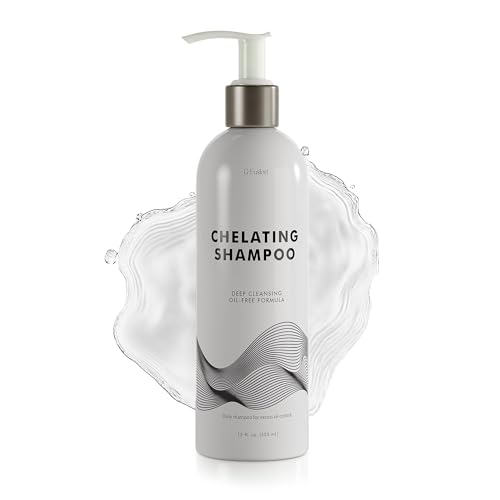
- Clarifying shampoo for buildup chelating formula
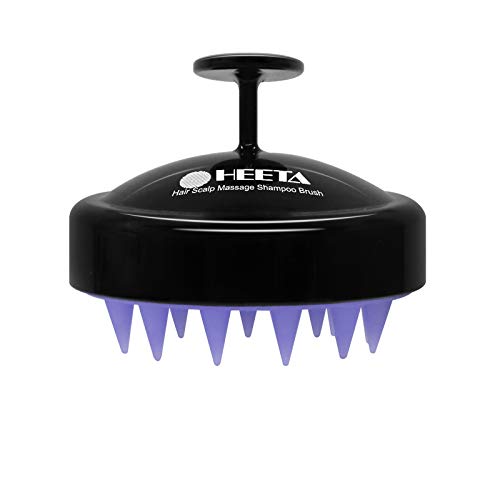
- Scalp exfoliating brush for buildup removal
- Scalp massager brush for buildup
- Wide-tooth comb or detangler
- Hydrating conditioner or hair mask
- Warm towel for scalp soothing (optional)

Before You Start
Assess your scalp condition before starting. If you have a sensitive or inflamed scalp, employ gentler methods and do a patch test with new products. Limit harsh mechanical scrubbing to avoid irritation. Plan for a routine window of 30–60 minutes, including cleansing and conditioning. Keep water lukewarm to prevent drying the scalp, and rinse thoroughly to remove all residues.
Step-By-Step: How To Get Rid Of Shampoo Build Up
- Wet hair thoroughly with warm water to loosen surface residues and prepare the scalp for cleansing.
- Apply a clarifying shampoo for buildup chelating formula to the scalp and roots, massaging in circular motions for 1–2 minutes.
- Rinse completely, ensuring no shampoo remains in the hair shaft, which can cause further buildup if left behind.
- Gently use a scalp exfoliating brush for buildup removal to lift stubborn residues from the scalp without over-scrubbing.
- Rinse again and briefly towel-dry to remove excess moisture, then apply a lightweight conditioner focusing on mid-lengths and ends.
- Optionally, use a scalp massager brush for buildup to promote circulation and help distribute moisture evenly while rinsing.
- Leave the conditioner on for 1–3 minutes, then rinse thoroughly with cool water to seal the cuticle and reduce frizz.
- Pat hair dry with a soft towel and detangle gently with a wide-tooth comb to minimize breakage.
- Style as usual or apply a light leave-in conditioner if your scalp feels dry after treatment.
- Schedule maintenance: repeat the clarifying wash every 1–2 weeks depending on product use and scalp sensitivity, adjusting frequency as needed.
- Monitor scalp health between washes; if itching or irritation persists, reduce clarifying frequency and consider alternative scalp care methods.
Troubleshooting
| Symptom | Likely Cause | Fix | Prevention |
|---|---|---|---|
| Hair feels stripped or dry after use | Overuse of clarifying formula | Switch to milder formula or reduce frequency | Alternate with hydrating hair masks |
| Scalp irritation or redness | Aggressive scrubbing or incompatible products | Reduce scrubbing intensity and test products | Choose gentle exfoliation tools and fragrance-free options |
| Residue remains after wash | Rinsing not thorough or heavy product load | Rinse longer, use cooler water, and apply minimal product | Distribute product evenly, avoid piling on roots |
| Excess oil after treatment | Over-cleansing disrupts scalp balance | Extend interval between clarifying washes | Use lighter conditioners and scalp-friendly products |
Common Mistakes
- Using clarifying shampoo every wash, which can dry the scalp and hair
- Scrubbing too hard with tools, causing irritation or small abrasions
- Skipping thorough rinses, leaving residues that continue to build up
- Neglecting to follow up with hydration, especially after exfoliation
Tips For Best Results
- Rotate products: alternate clarifying formulas with mild cleansing shampoos to maintain scalp balance.
- Pair with gentle tools: use the scalp exfoliating brush and massager brush as part of a weekly routine, not daily.
- Temperature matters: rinse with cooler water at the end to help seal cuticles and reduce frizz.
- Keep nails short and use fingertips to minimize scratching while cleansing.
- Pay attention to scalp type: sensitive scalps benefit from fragrance-free or hypoallergenic formulations.
Call A Professional
Seek professional help if the scalp is persistently itchy, flaky, or inflamed despite following the routine. If there is any sign of an infection, open sores, or a reaction to products, contact a dermatologist or licensed trichologist promptly. Do not attempt aggressive chemical treatments at home without guidance.
FAQ
Can I use a clarifying shampoo every wash?
Most people benefit from limiting clarifying shampoos to every 1–2 weeks, depending on product use and scalp sensitivity.
Will exfoliating brushes damage my scalp?
When used gently and correctly, exfoliating brushes can help remove buildup without causing damage. Avoid aggressive scrubbing.
Should I skip conditioner after clarifying?
No—use a hydrating conditioner to restore moisture and protect the hair shaft after clarifying.
What if buildup returns quickly?
Reassess product choices, washing frequency, and scalp conditioning. A milder routine or alternate products may be needed.
Are there natural alternatives to clarifying formulas?
Cewing lemon juice or baking soda is not recommended for frequent use, as these can be harsh on the scalp. Opt for mild clarifying products formulated for buildup removal.
Buying Guide
Key buying factors help you choose products and tools that effectively tackle buildup without compromising scalp health:
- Size and packaging: Choose products that fit your routine (travel-friendly sizes or larger bottles at home).
- Noise level: Some scalp massagers and exfoliating brushes are motorized; consider quiet options if you share a bathroom.
- Energy efficiency: Manual tools don’t use energy; if selecting powered devices, look for energy-efficient models.
- Controls and ease of use: Ergonomic designs reduce hand strain during cleansing.
- Placement and storage: Keep tools clean and dry; store in a breathable container to prevent mold.
When comparing options, consider how well each item integrates with your current routine. For example, pairing a clarifying shampoo for buildup chelating formula with a scalp exfoliating brush for buildup removal often yields the best results. If you have a sensitive scalp, prioritize gentler formulations and non-scratch tools. Do you need a full-scale routine or a quick weekly maintenance plan? The right combination varies by hair type, lifestyle, and sensitivity.
Leave a Reply