How to Remove Set-in Oil Stains From Fabrics and Surfaces
Oil stains can feel stubborn, especially when they’ve set into fabrics or carpet. This guide covers practical steps to lift old oil marks using common household products and targeted cleaners. The methods are suitable for clothing, upholstery, and carpet, with safety tips to protect delicate materials.
Quick Answer
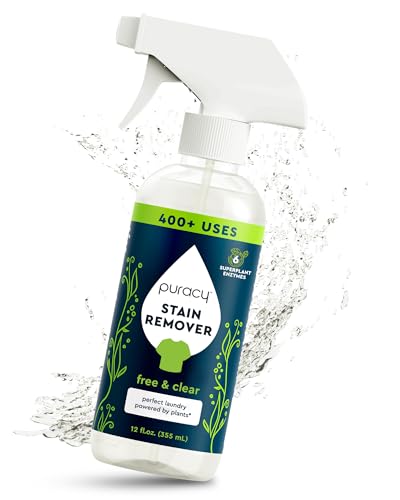
Act fast when possible, treat with enzyme cleaners or pre-wash stain removers designed for oil, and follow up with a heat-free drying method to avoid setting the stain further. For fabrics, use an oil stain remover spray for fabrics enzyme cleaner or a pre-wash laundry stain remover for set-in oil stains. For carpet or upholstery, apply a dedicated cleaner with brush applicator oil stain cleaner and blot, not rub.
What You’ll Need
- Oil stain remover spray for fabrics enzyme cleaner
- Pre-wash laundry stain remover for set-in oil stains
- Carpet upholstery stain remover with brush applicator oil stain cleaner
- Clean white cloths or paper towels
- Warm water, optional mild detergent
- Soft-bristle brush or old toothbrush
- White vinegar (optional, for lingering odors)
- Gloves to protect hands


Before You Start
Identify the stain type and fabric or fiber. Test any cleaner on a hidden area to check colorfastness and avoid damage. For delicate fabrics, consider professional cleaning for set-in stains. Allow time for the stain to air-dry between steps and avoid heat until the stain is fully lifted, as heat can set oil further. Critical cautions: never rub vigorously, use hot water on protein-based fibers, and never mix cleaners with bleach.
Step-By-Step: How To Remove Set-In Oil Stains
- Scrape off any excess oil with a dull edge, taking care not to push the stain deeper into the fabric.
- Blot the stain with a clean cloth to absorb surface oil, then apply the oil stain remover spray for fabrics enzyme cleaner to the affected area.
- Let the cleaner sit for 5–10 minutes to break down the oil, then gently agitate with a soft-bristle brush.
- Rinse or blot with warm water, repeating as needed until the stain lightens noticeably.
- For set-in stains on fabrics, apply a pre-wash laundry stain remover for set-in oil stains and work into the fibers with the brush.
- Wash the garment as directed on the care label with the longest cycle available for the fabric, using the appropriate detergent.
- For carpet or upholstery, spray the carpet upholstery stain remover with brush applicator oil stain cleaner over the stain and blot from the outside inward to prevent spreading.
- Repeat treatments if necessary, but avoid over-wetting. Allow the area to air-dry away from direct heat.
- Check the treated area after drying. If any trace remains, repeat the steps above or consider a professional cleaning for stubborn spots.
- Once the stain is gone, protect the fabric by applying a stain guard if appropriate for the material.
- Document maintenance steps for future spills, especially on high-traffic fabrics and carpets.
Troubleshooting
| Symptom | Likely Cause | Fix | Prevention |
|---|---|---|---|
| Stain remains after washing | Oil penetrated deeply | Repeat treatment with enzyme cleaner and pre-wash remover | Pre-treat immediately; avoid heat until fully clean |
| Discoloration on fabric | Cleaner not dye-safe | Rinse thoroughly and test colorfastness first | Always test on hidden area |
| Stiff fabric after cleaning | Residual cleaner or soap | Rinse well and air-dry | Use minimal cleaner and thorough rinsing |
| Odor persists | Oil odor trapped in fibers | Lightly mist with white vinegar diluted in water, then air-dry | Ventilate during and after cleaning |
Common Mistakes
- Using hot water on oil stains, which can set them permanently
- Rubbing aggressively, which spreads oil and damages fibers
- Skipping a spot test that could reveal color loss or damage
- Over-wetting carpets or upholstery, leading to mold or odor issues
Careful, methodical steps reduce the risk of damaging fabrics while improving stain removal success.
Tips For Best Results
- Always treat quickly when possible; set-in stains respond best to early intervention
- Work from the outside of the stain toward the center to prevent spreading
- Combine cleaners only as recommended; avoid mixing chemical agents
- For delicate textiles, consider professional cleaning for stubborn stains
- After cleaning, air-dry fully before wearing or using the item again
Call A Professional
See a professional if: the stain covers a large area, the fabric is delicate or expensive, or previous attempts have failed. Also contact a pro when the material is an older, unknown fiber, or when the stain involves hazardous substances.
FAQ
Can set-in oil stains be removed from all fabrics?
Many set-in oil stains respond to enzyme cleaners and pre-wash removers, but some delicate or synthetic fabrics may require professional care.
What should I avoid on oil stains?
Avoid hot water, rubbing, and mixing cleaners with bleach, which can worsen damage or set the stain.
Is heat ever appropriate for oil stains?
Heat should be avoided until the stain is fully removed to prevent setting the oil.
How long does it take to remove a set-in oil stain?
Results vary by fabric and stain age, but many stains show improvement within one treatment and full removal after 1–2 follow-up applications.
Can I use these methods on carpet and upholstery?
Yes, use a carpet upholstery stain remover with brush applicator and blotting technique designed for fabrics.
Are enzyme cleaners safe for pets?
Many enzyme cleaners are pet-friendly when used as directed; always ensure treated areas are dry before allowing pets back on the surface.
Buying Guide
When choosing products to tackle set-in oil stains, consider size, accessibility, and material compatibility. Look for sensors of effectiveness in enzyme-based formulas and pre-wash removers designed for set-in oil stains. For carpets and upholstery, a stain remover with a brush applicator can help reach fibers and remove oil more effectively. Noise levels, energy efficiency, and ease of use matter for home cleaning tools too.
Key buying factors include:
- Size and coverage: Larger bottles may be more economical for households with frequent stains.
- Texture and application: Brush applicators help reach fibers in carpet and upholstery.
- Active ingredients: Enzyme-based cleaners break down oil more effectively on fabrics.
- Fabric compatibility: Check care labels and test on hidden areas first.
- Versatility: Products that work on clothing, upholstery, and carpet offer convenience.
Considering these points helps choose a dependable solution that fits household needs while avoiding damage to fabrics. If in doubt, start with the lighter, fabric-safe option and progress to more robust cleaners as needed.
Leave a Reply