How to Remove Rust From Knives Safely and Effectively
Rust on kitchen and outdoor knives can dull performance and compromise hygiene. This guide explains practical, user-friendly methods to remove and prevent rust on stainless steel and carbon steel blades, using common household tools and specialized rust removal products.
Readers will learn a quick, safe approach, the best product choices for different blade types, and how to maintain knives to extend their life. The instructions emphasize non-abrasive methods first, reserving stronger cleaners for stubborn rust.
Quick Answer
For light rust, start with a soft scrub using mild soap and a non-scratch pad, then apply a rust eraser for knives or a rust remover gel for metal knives. For heavier rust, use a dedicated knife rust remover kit stainless steel cleaning set and follow with thorough drying and oiling to prevent recurrence.
What You’ll Need
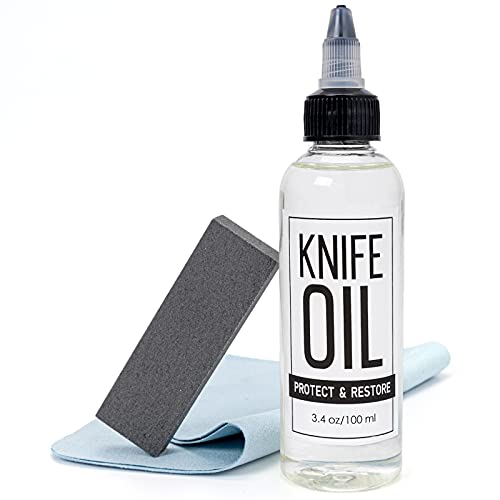
- knife rust remover kit stainless steel cleaning set
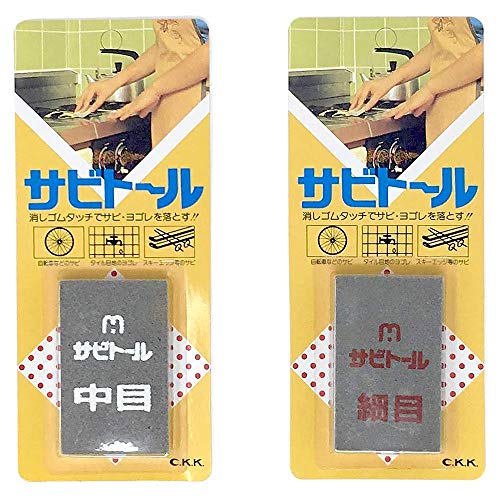
- rust eraser for knives
- rust remover gel for metal knives

Before You Start
Ensure knives are wiped dry before treatment. Work in a well-ventilated area and wear gloves to protect skin from cleaners. Test any product on a small area first to avoid edge damage. Time estimates vary: light rust can take 10–20 minutes, heavy rust may require multiple sessions over several days. Do not use abrasive steel wool on delicate blades, as it can scratch and worsen corrosion.
Step-By-Step: How To Remove Rust From Knives
- Inspect the blade to gauge rust extent and determine if protective coatings or liners are present.
- Rinse the knife under warm water and apply a mild dish soap to loosen surface debris.
- Gently scrub with a soft cloth or non-scratch sponge to remove loose rust flakes.
- For light rust, rub the affected area with a rust eraser for knives using light, circular motions until the rust loosens.
- If rust persists, apply a small amount of rust remover gel for metal knives and leave for the recommended time per product instructions, then wipe away.
- Rinse thoroughly, dry completely, and inspect for any remaining spots. Repeat as needed but avoid over-wetting blades with cleaners.
- Apply a thin coat of mineral oil or food-safe knife oil along the edge and tang to create a protective barrier.
- Store knives in a dry location with good air circulation; consider silica gel packets to absorb moisture.
Troubleshooting
| Symptom | Likely Cause | Fix | Prevention |
|---|---|---|---|
| Pitting or deep rust that won’t lift | Severe corrosion or pitting | Use a knife rust remover kit stainless steel cleaning set following manufacturer’s directions; consider professional restoring if needed | Store dry, wipe after use |
| Rust returns soon after cleaning | Residual moisture or incomplete drying | Thoroughly dry, oil blade, ensure storage is dry | Keep knives away from humid environments |
| Discoloration or dull edge | Abrasive cleaning or aggressive rubbing | Switch to non-abrasive methods; resharpen if needed | Use gentle cleaners and proper sharpening |
| Blade finish damaged | Harsh cleaners or excessive friction | Cease using aggressive products; consult professional if needed | Test in small area first |
Common Mistakes
- Using abrasive materials like steel wool on delicate blades
- Over-wetting knives or storing damp tools
- Skipping thorough drying after cleaning
- Assuming all rust can be wiped away without the right product
Avoid these missteps to prevent additional damage and recurring rust.
Tips For Best Results
- Work in a clutter-free space and keep cleaning solutions away from food-contact surfaces.
- For carbon steel blades, dried oil application after rust removal helps form a protective layer.
- Consider using a dedicated rust remover kit when rust is widespread or deeply embedded.
- Consistency matters: perform a quick check monthly if knives are used in humid kitchens or in outdoor settings.
Call A Professional
Stop signs to seek professional help include deep pitting that compromises blade integrity, chips or cracks near the edge, or rust that resurfaces after multiple treatments. If a blade is valuable or historically significant, consulting a professional sharpener or restoration service is wise.
FAQ
Can rust on knives be completely removed?
Light rust is typically removable with basic cleaners, while deeper rust may require specialized products or professional restoration.
Is it safe to use rust remover gels on kitchen knives?
Yes, but follow product instructions and rinse well to avoid any residue contact with food.
Should I oil my knives after rust removal?
Yes. A light coating of food-safe oil helps prevent future rust.
What storage tips prevent rust?
Keep knives dry, store in a low-humidity area, and consider silica gel packs or a proper knife block with airflow.
Buying Guide
Choosing the right products for rust removal depends on blade type, rust severity, and maintenance goals. Consider factors like the size and type of your knives, noise and chemical exposure if using sprays, energy efficiency of electric tools if applicable, ease of control, and placement in the kitchen or workshop.
Key buying factors include:
- Size and blade material: Stainless steel blades resist rust better than carbon steel, but both benefit from proper care.
- Rust removal products: Choose from kit-based solutions, rust erasers, and gels that fit your comfort level and rust severity.
- Controls and usability: Products with simple, clear instructions save time and reduce the risk of damage.
- Placement and storage: Select products and storage setups that minimize moisture exposure and allow easy access for regular maintenance.
Multiple perspectives help ensure you pick a solution that balances effectiveness, safety, and long-term knife care. If in doubt, start with light rust removers and escalate only as needed, keeping storage and drying routines consistent.
Leave a Reply