How to Remove Rust From Your Sink
Rust on sinks can be stubborn, especially on stainless steel surfaces. This guide provides practical, step-by-step methods to remove rust and prevent its return, using common household products and specific rust removers designed for sinks. The aim is to restore a clean, corrosion-free finish while protecting the sink’s surface.
By following the outlined steps, homeowners can tackle rust spots promptly and safely, reducing the need for professional refinishing. The methods below focus on accessible tools and products to keep maintenance simple and effective.
Quick Answer
For quick rust removal: start with a gentle paste or gel designed for metal surfaces, then switch to a more robust rust remover paste if stubborn spots remain. Always rub in the direction of the grain and rinse thoroughly to prevent residue buildup.
What You’ll Need
- Rust remover paste for stainless steel sinks
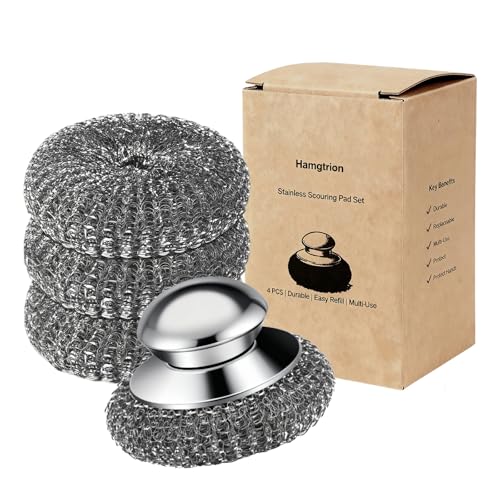
- Abrasive steel wool pad for removing rust on sinks
- Rust stain remover gel for bathroom sink
- Non-scratch sponge or soft cloth
- Water and mild dish soap
- Protective gloves (optional)
- Plastic scraper or old credit card (for stubborn spots)


Before You Start
Before tackling rust, evaluate the sink’s finish and the severity of staining. Test a small, inconspicuous area first to ensure the cleaner won’t dull the surface. Work in a well-ventilated space and wear gloves to protect your skin. Plan for a 20–45 minute session, depending on rust depth and product used. Avoid metal brushes that can scratch stainless steel.
Clear the area around the sink and wipe away water to prevent slipping. If the rust is near seams or hardware, take extra care not to damage seals or coatings. For historical or heavily etched rust, consult a professional before attempting aggressive methods.
Step-By-Step: How To Remove Rust From A Sink
- Move loose debris and rinse the sink with warm water to expose the full rust area.
- Apply a rust remover paste for stainless steel sinks directly onto the rust spots. Let it sit as directed by the product instructions, usually 5–10 minutes.
- Gently rub with an abrasive steel wool pad for removing rust on sinks, using light pressure in circular motions. Target only the rusted area to avoid scratches.
- Rinse thoroughly with warm water and inspect. If rust remains, reapply paste and rework the area with the steel wool.
- For lighter stains, apply rust stain remover gel for bathroom sink to the affected area and rub with a cloth until the stain loosens.
- Rinse completely and dry the surface with a clean towel. Inspect for any dull spots or remaining rust, repeating steps as needed.
- Use a non-scratch sponge to buff the area and restore a uniform shine. Avoid leaving residues that can attract minerals.
- Optional: Apply a light protective sealant or stainless steel polish to slow future rust formation. Follow product directions for curing time.
- After finishing, wipe the entire sink once more to ensure no cleaner residue remains around drains or fixtures.
- Schedule regular maintenance: wipe dry after use and address new rust spots promptly to prevent spreading.
- Store cleaning products out of reach of children and place emphasis on gentle, surface-friendly methods for ongoing care.
Troubleshooting
| Symptom | Likely Cause | Fix | Prevention |
|---|---|---|---|
| Rust returns after cleaning | New oxidation or mineral buildup | Reapply rust remover paste and seal with polish | Wipe dry after use; clean mineral-rich water spots promptly |
| Streaks or dull spots | Aggressive scrubbing or abrasive pad | Switch to gentler pad and re-polish | Use non-scratch pads and soft cloths |
| Stubborn rust around seams | Enamel or coating breach | Consult a professional to assess sealing integrity | Avoid aggressive scrubbing near seams |
| Product residue remains after rinse | Insufficient rinsing | Rinse thoroughly with warm water and wipe dry | Rinse twice, then dry completely |
Common Mistakes
- Using metal brushes that scratch stainless steel surfaces
- Waiting too long to treat rust spots, allowing deeper staining
- Mixing cleaners that react with each other and leave residues
- Ignoring manufacturer guidelines on contact time for rust removers
- Neglecting to dry the sink after cleaning, promoting new rust formation
Tip: Always read product labels for safe use and compatibility with stainless steel surfaces to avoid inadvertent damage.
Tips For Best Results
- Begin with the mildest method and escalate only if rust persists.
- Work in a well-lit area to clearly see rust edges and ensure complete cleaning.
- Buff the sink after cleaning with a soft microfiber cloth to restore luster.
- Regular maintenance, such as drying the sink after use, reduces rust formation over time.
- Consider placing a stainless steel-safe barrier or magnetized drain screen if mineral content is high in your water supply.
Call A Professional
Seek professional help if rust covers a large area, deep pitting is evident, or coatings show wear near joints. Signs that require a pro include persistent rust after multiple attempts, discoloration behind fixtures, or if the sink’s structural integrity seems compromised. A professional can assess whether refinishing, resealing, or replacement is needed to restore the sink’s integrity.
FAQ
Can rust remover paste damage stainless steel?
When used as directed, rust remover paste is designed for stainless steel; always test first and follow label instructions.
Is steel wool safe on all sinks?
Steel wool can scratch delicate finishes. Use only on tougher rust spots and prefer non-scratch pads for plated or polished surfaces.
How can I prevent rust from returning?
Dry sinks after use, minimize mineral buildup with regular cleaning, and inspect for early rust signs to treat promptly.
Are rust stains the same as rust corrosion?
Rust stains are surface discolorations that can often be removed; true corrosion may require deeper treatment or professional intervention.
Buying Guide
When selecting rust-removal products for a sink, consider size of the affected area, whether the sink is stainless steel, and the finish you want to protect. Think about noise and ease of use, though most sink cleaners are quiet and simple. Key buying factors include:
- Size and potency: Smaller tubes for light stains; paste formulations for deeper rust
- Surface safety: Products labeled safe for stainless steel and brushed finishes
- Ease of application: Gel or paste with minimal scrubbing required
- Rinse and residue: Clean rinsing formulas that leave no film
- Maintenance compatibility: Polish or sealant compatibility to slow future rust
- Placement and storage: Easy-to-store packaging that remains upright and stable
For households with hard water or high mineral content, combining rust removers with mineral-control cleaners can improve long-term results. If uncertain, start with a gentler product and move to a stronger paste only if needed. A little planning helps keep sinks looking pristine with minimal effort.
Leave a Reply