How to Get Rid of Rough Knees and Reveal Softer Skin
Rough, dry knee skin is a common concern for many people. With simple at-home routines and the right tools, you can soften and smooth the knee area effectively. This guide outlines practical steps, product picks, and maintenance tips to achieve visibly nicer knees without expensive treatments.
Approach the task with consistency, gentle technique, and patience. The goal is gradual skin renewal, not harsh scrubbing that can cause irritation. The following sections provide a clear, actionable plan that fits typical bathroom routines and American skin care preferences.
Quick Answer
Targeted exfoliation, moisturization, and protection create the fastest results. Use an electric callus remover for knees or a dermabrasion tool for deeper smoothing, complemented by an exfoliating brush for rough knee skin. Finish with a rich moisturizer and sunscreen daily to maintain softness.
A Quick List Of Tools And Materials
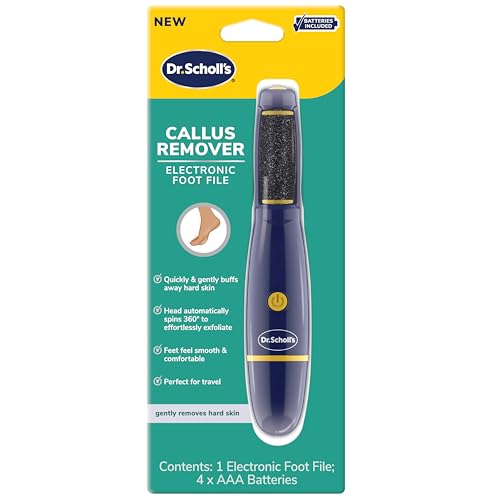
- Electric callus remover for knees
- Exfoliating brush for rough knee skin
- Dermabrasion tool for knees
- Gentle cleanser suitable for sensitive skin
- Rich, hydrating moisturizer or body butter
- Broad-spectrum sunscreen (SPF 30 or higher)


Before You Start
Before beginning any at-home regimen, ensure the knee skin is clean and dry. Start with a patch test if you have sensitive or reactive skin. Schedule sessions 2–3 times per week, allowing 24–48 hours between intensive exfoliation to gauge how skin responds. Important cautions: avoid using aggressive tools on inflamed or cracked skin, and stop if there is persistent redness, itching, or burning.
Step-By-Step: How To Smooth Rough Knees
- Prepare the skin with a warm shower or soak to soften the surface before exfoliating.
- Gently pat dry, then use a clean, low-pressure setting on the electric callus remover for knees to reduce rough patches.
- Switch to the dermabrasion tool for knees if you need deeper smoothing on stubborn areas, using slow, circular motions.
- Apply the exfoliating brush for rough knee skin with light pressure in circular motions to lift dead skin cells.
- Rinse off residue and pat dry again. Clean the tools after use to prevent bacteria buildup.
- Apply a thick moisturizer or body butter while the skin is still slightly damp to lock in hydration.
- Let the product absorb fully, then apply sunscreen in the daytime to protect newly exposed skin.
- Repeat exfoliation and moisturizing routine 2–3 times per week, adjusting frequency based on skin response.
- Include a weekly gentle mask or serum with ingredients like ceramides or hyaluronic acid to support barrier repair.
- Consider a daily light application of a moisturizer with shea butter or glycerin for continuous softening.
- Track progress with photos every two weeks to stay motivated and adjust tactics as needed.
Troubleshooting
| Symptom | Likely Cause | Fix | Prevention |
|---|---|---|---|
| Redness or irritation after exfoliation | Overly aggressive tool use or sensitive skin | Reduce pressure, shorten sessions, switch to milder settings | Limit frequency, test products on small area first |
| Persistent dryness after care | Insufficient moisturization or harsh cleansers | Switch to a richer moisturizer; use a gentle cleanser | Apply sunscreen daily; maintain hydration consistently |
| New dark spots or uneven tone | Over-exfoliation or friction | Pause exfoliation; use soothing products with niacinamide | Avoid rubbing; wear protective clothing if needed |
| Roughness returns quickly | Environmental dryness or neglect | Increase moisturizing routine and consider light body oil | Hydrate from within; drink water regularly |
Common Mistakes To Avoid
- Using high pressure on electric tools, which can irritate skin
- Exfoliating too aggressively or too often
- Applying exfoliants to irritated or cracked skin
- Skipping moisturizer after exfoliation
- Not protecting skin from sun exposure after treatment
Tips For Best Results
- Pair exfoliation with a rich, fragrance-free moisturizer to maintain barrier health.
- Hydrate skin from the inside by drinking plenty of water daily.
- Use a broad-spectrum sunscreen every day to prevent damage and new rough patches.
- Keep tools clean and replaced over time to avoid skin infections.
- Rotate tools to distribute wear evenly and avoid over-reliance on one device.
Call A Professional
Consider contacting a professional if:
- You notice persistent redness, swelling, or pain after use.
- There are large areas of cracked or bleeding skin on the knees.
- Home treatments do not improve rough knee skin after 6–8 weeks.
FAQ
Can I use these tools on both knees and elbows?
Yes, most tools can be used on elbows as well as knees, but follow device instructions and use gentler settings on sensitive areas.
How often should I exfoliate rough knee skin?
2–3 times per week is typically effective, with adjustments based on skin tolerance.
What ingredients help repair the skin barrier?
Ceramides, hyaluronic acid, glycerin, and jojoba oil support moisture retention and barrier repair.
Is sunscreen essential after knee exfoliation?
Yes, daily sunscreen helps prevent pigmentation and protects newly exposed skin from UV damage.
Are there risks with dermabrasion tools at home?
There is a risk of irritation if used improperly; follow instructions, start slowly, and stop if adverse reactions occur.
What should I do if I see dark spots after exfoliating?
Pause exfoliation, use soothing products, and consider products with vitamin C or niacinamide to even tone.
Do I need to avoid hot water after treating rough knees?
Warm showers are fine, but hot water can further dry the skin; opt for lukewarm water until skin stabilizes.
Buying Guide
Choosing the right tools and products to address rough knee skin involves several factors. Consider size and ergonomics for comfortable use on the knee area. Noise level matters for home environments, especially in shared spaces. Energy efficiency and battery life influence convenience for regular sessions. Look for adjustable settings on tools to tailor exfoliation intensity. Placement and usage should fit your routine—handy for bathroom or shower-adjacent use. When comparing options like an electric callus remover for knees, an exfoliating brush for rough knee skin, and a dermabrasion tool for knees, evaluate how each contributes to a gentle, effective plan and how easy they are to clean and maintain. Ask yourself: will this tool integrate smoothly into my weekly routine, and will it help maintain soft, smooth knees without irritation?
Leave a Reply