How to Get Rid of Rough Elbows Naturally and Safely
Rough, dry elbows are a common concern for many Americans, especially after exposure to cold weather, sun exposure, or dry indoor air. With the right routine, products, and gentle technique, you can soften and smooth elbow skin without harsh scrubbing or costly treatments. This guide outlines practical steps, the best tools, and a simple maintenance plan to keep elbows smooth year-round.
Quick Answer
Quick Method: Regular exfoliation with a gentle exfoliating tool, followed by hydrating moisturizers, is the most effective approach. Use a pumice stone for elbows rough skin or an electric callus remover with pumice head for elbows a few times weekly, then seal with a nourishing cream. For longer reach and easier access, pair with an exfoliating bath brush with long handle for elbows to reach and treat all areas.
What You’ll Need
- Pumice stone for elbows rough skin
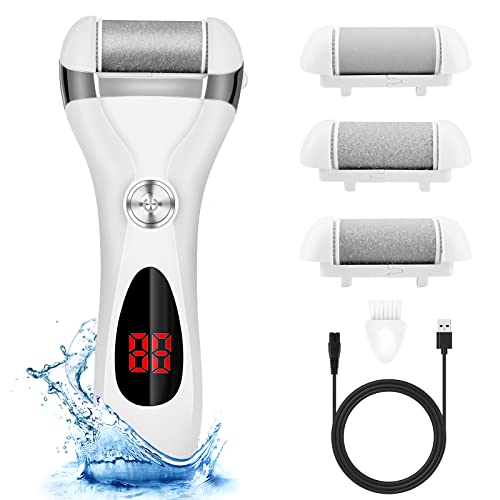
- Electric callus remover with pumice head for elbows
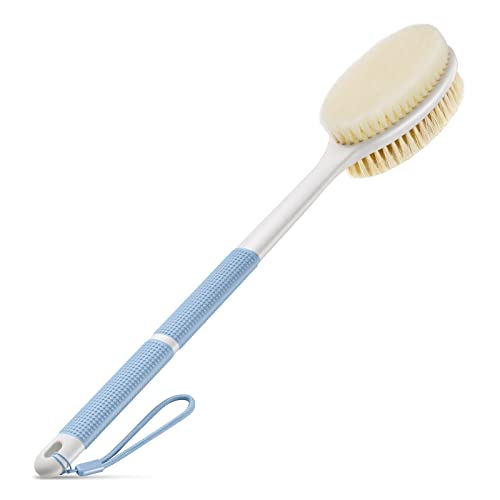
- Exfoliating bath brush with long handle for elbows
- Gentle body scrub or exfoliating cream
- Hydrating body lotion or oil
- Soft towel and clean storage container

Before You Start
Before beginning, verify you have clean, dry skin and a comfortable bathroom setup. Do not scrub aggressively—rough elbows respond to gentle, consistent care. If you notice redness, irritation, or cracks, pause treatment and consult a clinician. This routine is suitable for most skin types but should be adjusted for sensitive or injured skin. Time estimate for initial treatment: 20–30 minutes; maintenance sessions can be shorter, 5–10 minutes.
Step-By-Step: How To Smooth Rough Elbows
- Soften the skin in warm water for 5–10 minutes to prep the surface and reduce friction during exfoliation.
- Gently pat the elbow dry with a soft towel, leaving the area slightly damp for best exfoliation results.
- Use a pumice stone for elbows rough skin in small, circular motions. Focus on the roughest patches, then rinse and pat dry.
- If using an electric callus remover with pumice head for elbows, set to a gentle speed and move slowly across the skin. Avoid staying on one spot too long to prevent irritation.
- Apply a mild exfoliating cream or body scrub to boost cell turnover, then rinse with lukewarm water.
- Brush out dead skin with an exfoliating bath brush with long handle for elbows to reach the back of the arms and other hard-to-reach areas.
- Pat dry again and apply a rich moisturizer or a skin barrier cream to lock in hydration.
- Repeat the cycle 2–3 times per week as part of a regular skincare routine. Allow at least 24–48 hours between intensive exfoliation sessions.
- For maintenance, switch to weekly exfoliation combined with daily moisturizing to sustain softness.
- Adjust pressure and duration based on skin response; discontinue if you notice persistent irritation or cracking.
- Consider pairing exfoliation with gentle sunscreen on exposed elbows during sunny days to prevent photo-damage and dryness.
- Keep a small routine journal to track what methods and products yield the best results for your skin type.
Troubleshooting
| Symptom | Likely Cause | Fix | Prevention |
|---|---|---|---|
| Reddish skin after exfoliation | Overly aggressive scrubbing | Switch to gentler motions and shorter sessions | Always moisturize after exfoliation |
| Persistent dryness after routine | Insufficient hydration | Apply a richer moisturizer or occlusive layer at night | Hydrate daily and avoid hot water |
| Razor-like pain from elbows | Sensitivity or cracks | Pause exfoliation; use protective barrier creams | Use mild products and avoid fragrances |
| Roughness returns quickly | Inconsistent maintenance | Establish a weekly exfoliation and daily hydration habit | Keep routine steady regardless of weather |
Common Mistakes
- Over-exfoliating, which can strip natural oils and worsen dryness.
- Using harsh tools or aggressive pressure on sensitive skin.
- Skipping moisturization after exfoliation, leading to rebound dryness.
- Applying exfoliants to broken or irritated skin—wait until skin heals.
Tips For Best Results
- Consistency is key: a steady routine beats sporadic, aggressive treatments.
- Layer hydration: begin with a lightweight lotion, then seal with a richer cream at night.
- Test new products on a small area first to gauge sensitivity.
- Use long-handled tools to reduce bending and improve accessibility to all elbows.
- Pair exfoliation with hydration-targeted ingredients like glycerin, ceramides, and shea butter.
Call A Professional
If rough elbows persist despite ongoing care, seek medical advice. Stop routine if severe redness, swelling, or blistering appears. Consider consulting a dermatologist if you notice persistent hyperpigmentation, cracking, or eczema-like symptoms that do not improve with standard care.
FAQ
Is a pumice stone safe for all skin types?
For most, a gentle pumice stone can be effective, but those with sensitive or very dry skin should use light pressure and shorter sessions, or opt for milder alternatives.
How often should I exfoliate my elbows?
Start with 2–3 times per week and adjust based on skin response and dryness levels.
Can I use lemon juice or vinegar on rough elbows?
Natural acidic treatments can irritate sensitive skin; it’s best to avoid acidic applications and stick to gentle, proven products.
Will I see immediate results?
Elbow smoothing typically improves gradually over a few weeks with consistent care and proper hydration.
Buying Guide
When choosing tools to tackle rough elbows, consider size, material, and ease of use. Think about how you will integrate tools into your routine and whether you prefer a manual pumice stone or an electric callus remover for faster results. A long-handled exfoliating brush adds reach for hard-to-access areas. Look for non-abrasive surfaces and products that pair well with hydrating moisturizers. Reading user reviews can reveal how well the tool performs on rough skin in real households. For many, a combination approach—gentle manual exfoliation plus a long-handle brush—delivers reliable results without irritation.
Key buying factors include:
- Size and grip for comfortable handling and control
- Vessel and head material that is durable and gentle on skin
- Noise level and ease of maintenance for electric tools
- Energy efficiency and battery life if choosing a cordless device
- Controls that are simple to operate with wet hands
- Placement in bathroom storage to keep tools dry and ready
Would you like help choosing among specific models or brands that fit your routine? Consider how the tools align with your current skincare products and the level of reach you need in the elbows and surrounding areas.
Leave a Reply