How to Get Rid of Rotten Smell in Car
Rotten or stale odors in a vehicle can be stubborn, especially when the source is mold, spilled food, or persistent interior smells. A systematic approach using enzymatic cleaners, deodorizing equipment, and smart odor absorbers can restore a fresh fragrance to your car’s cabin. This guide provides a practical, step-by-step method suitable for most American vehicles.
By following these steps, drivers can identify odor sources, neutralize them, and maintain a cleaner interior with minimal downtime.
Quick Answer
Address the source first, then use enzymatic cleaners for organic odors, followed by an interior deodorizer or odor absorber to lock in freshness. For persistent scents, a car ozone generator interior deodorizer can be effective when used with caution and proper ventilation.
What You’ll Need
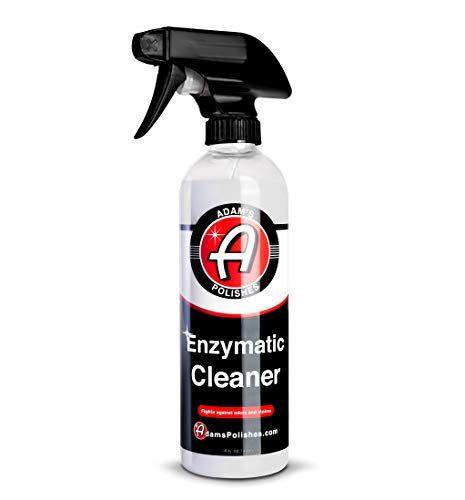
- Enzymatic cleaner (for example, car odor eliminator spray enzymatic cleaner 16 oz)
- Interior deodorizer or ozone-based solution (car ozone generator interior deodorizer 110V)
- Odor absorber (batches such as activated charcoal car odor absorber bag 8×6 inch)
- Microfiber towels, spray bottle, and clean sponges
- Vacuum with hose attachment, optional carpet/upholstery cleaner
- Gloves and mask if handling strong cleaners or mold


Before You Start
Before tackling odors, ensure the car is in a well-ventilated area and away from children or pets during treatment. Test cleaners on a small hidden area first to avoid discoloration. Time estimates vary: expect 1–3 hours for a full interior treatment, plus setup and drying time. If the odor is caused by water intrusion or mold growth, consider professional inspection to prevent recurring smells.
Step-By-Step: How To Get Rid Of Rotten Smell In Car
- Identify odor sources—check carpets, seats, under mats, the trunk, and HVAC vents. Look for dampness, spills, or mold infestations that could fuel persistent smells.
- Deep vacuum all surfaces—remove debris from carpets, mats, and upholstery. Use a hose attachment to reach crevices where odor-causing particles hide.
- Address moisture—if any area is damp, blot with towels and use a gentle fan or hairdryer on low to dry thoroughly before applying cleaners.
- Apply enzymatic cleaner—spray the affected fabrics, carpets, and upholstery with the car odor eliminator spray enzymatic cleaner 16 oz. Enzymes break down organic matter that feeds odors. Let dwell time follow product instructions, then blot and air dry.
- Clean HVAC components—spray into the exterior and interior vents with a light mist, or use a vent-safe cleaner. Run the fan on high with windows open to push odors out.
- Use odor absorbers—place activated charcoal car odor absorber bag 8×6 inch in the cabin, under seats, and in the trunk if needed. Charcoal traps lingering molecules to reduce odor over several days.
- Deodorize with an interior deodorizer—mist the cabin lightly with the car ozone generator interior deodorizer 110V product in a safe, well-ventilated area. Follow equipment guidelines for safe use and avoid high concentrations near occupants.
- Dry and ventilate—leave doors open or windows cracked to air out the cabin after treatment. Use a fan to speed the drying process and prevent new odors from forming.
- Reassess after 24–72 hours—smell the cabin and repeat steps if needed. For stubborn odors, consider repeating the enzymatic cleaner and absorber steps and extending airing time.
- Prevent future odors—establish a regular cleaning routine, wipe spills immediately, and use seat and carpet protection to deter staining and moisture buildup.
- Documentation for persistent odors—if smells persist despite these steps, document findings and prepare for a professional evaluation of mold, damp insulation, or HVAC contamination.
Troubleshooting
| Symptom | Likely Cause | Fix | Prevention |
|---|---|---|---|
| Odor returns after cleaning | Moisture remains in carpet or padding | Re-treat with enzymatic cleaner and ensure complete drying | Address leaks and dry promptly after spills |
| Musty/moldy smell | Mold growth under mats or in HVAC | Clean or replace affected components; consider professional mold remediation | Keep humidity low; use moisture barriers |
| Charcoal odor not improving | Insufficient contact time or hidden odor sources | Increase exposure duration and re-check hidden areas | Regular cleaning and prompt spill response |
| Ozone deodorizer not effective | Insufficient ventilation or incorrect usage | Ensure proper setup and allow adequate airing time | Follow device instructions exactly |
Common Mistakes
- Overlooking hidden moisture pockets under floor mats or carpeting
- Using strong cleaners on sensitive surfaces without a patch test
- Relying solely on sprays without addressing the source of the odor
- Running ozone devices in occupied interiors or without proper ventilation
Tips For Best Results
Consistency matters—combat odors with a combination of cleaning, deodorizing, and absorbing. For persistent smells, repeat targeted cleaning cycles and use odor absorbers in multiple locations. When using enzymatic cleaners, allow the recommended dwell time to maximize effectiveness. Maintain a dry interior and schedule periodic checks to prevent odor recurrence.
Call A Professional
Seek professional help if:
- The odor persists after multiple cleaning cycles and absorber use
- There is visible mold growth or ongoing moisture problems
- There are electrical or HVAC anomalies that raise safety concerns
Stopping signs include persistent dampness, widespread mildew, or the smell intensifying after cleaning attempts. A professional can assess hidden moisture, insulation damage, or mold contamination beyond surface cleaning.
FAQ
What is the best way to remove rotten smells in a car?
Start with a thorough vacuum and spot-clean affected areas using an enzymatic cleaner, then use odor absorbers and a deodorizer to seal in freshness.
Can ozone generators harm my car interior?
Ozone devices can be effective when used correctly, but they must be operated in unoccupied vehicles with proper ventilation and following manufacturer directions to avoid damage.
How long does it take for odors to disappear?
Most treatments require 1–3 hours of work plus drying time; repeat treatments may be needed for strong or pervasive odors.
Are activated charcoal bags safe for cars?
Yes, they are safe and effective at absorbing odors when placed away from passengers and electronics; replace or recharge as needed.
Is there a risk of staining from cleaners?
Test cleaners on a hidden area first to prevent color loss or fabric damage before full application.
Should I replace my cabin air filter to help with odors?
Replacing a used or contaminated cabin air filter can significantly improve air quality and reduce odors when combined with cleaning.
Buying Guide
When choosing products to tackle car odors, consider size, ease of use, and compatibility with your vehicle’s interior. Key factors include:
- Odor source and area—a small spill may respond to enzymatic cleaners, while persistent dampness may require moisture control and absorbers.
- Odor strength and maintenance—enzymatic cleaners handle organic odors, while charcoal absorbers provide ongoing odor control between deep cleanings.
- Noise and energy use—if using an ozone generator, evaluate noise levels and power requirements compatible with your vehicle and charging options.
- Placement and coverage—place absorbers in high-traffic areas and near potential moisture sources for maximum effectiveness.
- Ease of use—look for products with clear instructions and wipe-down compatibility to simplify the cleaning routine.
- Safety—follow safety guidelines for enzymatic cleaners and avoid exposure to occupants during ozone use.
Considering these factors helps select tools that fit your car’s size, odor type, and cleaning routine. For many drivers, a combination of enzymatic cleaners, interior deodorizing devices, and activated charcoal bags delivers a balanced approach to banishing rotten smells from the cabin.
Leave a Reply