How to Get Rid of Rotten Fish Smell
Rotten fish smell can linger in kitchens, boats, or near seafood prep areas, especially after cooking or cleaning. This guide covers practical, evidence-based steps to neutralize odors and keep spaces fresh without harsh chemicals. By combining deodorizing agents, cleaning strategies, and preventative habits, households can reclaim a clean, inviting environment.
Quick Answer
Open windows to improve ventilation, use activated charcoal odor absorbers, spray an enzyme cleaner to break down odor-causing compounds, and run an air purifier with a carbon filter. For stubborn smells, repeat treatments in cycles and seal sources with washable surfaces. Start with ventilation and targeted cleaners, then monitor remaining odor for a second pass.
What You’ll Need
The following tools and products help target fish odors effectively. Gather these before you begin the cleaning process to streamline the workflow.
- Activated charcoal odor absorber bag 2-pack for fish smell
- Enzyme cleaner fish odor removal 32 oz spray
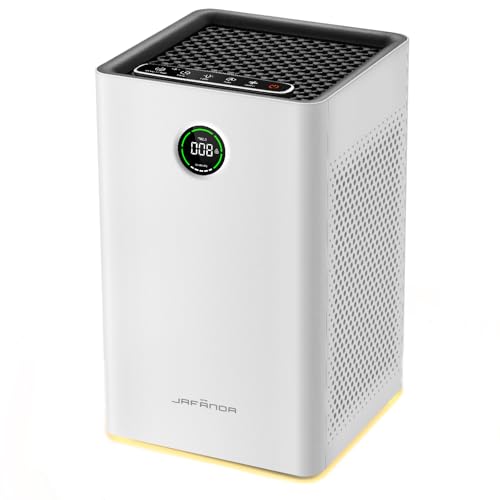
- Air purifier with activated carbon filter for seafood kitchen smell
- Fresh towels or microfiber cloths
- Disposable gloves
- Soap or mild detergent, warm water
- Baking soda (optional)
- White vinegar or diluted household vinegar (optional)


Before You Start
Before tackling odors, ensure the preparation area is well-ventilated. Open windows or run the HVAC fan to promote air exchange. Wear gloves to protect skin from cleaners, and test cleaners on a small, inconspicuous area first to avoid staining surfaces. Plan a time window of 30 minutes to 2 hours depending on odor severity. Avoid mixing cleaners that can release harmful fumes, and never apply wet, slippery cleaners to electrical outlets or appliances. If the odor is concentrated in soft furnishings or upholstery, consider dedicated odor control approaches for fabrics.
Step-By-Step: How To Get Rid Of Rotten Fish Smell
- Ventilate the space by opening windows, turning on the exhaust fan, and using an air purifier near the odor source to start moving air out of the area.
- Place activated charcoal near the odor source in rooms and cabinets. The charcoal absorbs volatile compounds responsible for fishy smells.
- Spray with enzyme cleaner on hard surfaces and in drains to break down odor-causing proteins. Allow it to sit for the recommended contact time, then wipe clean.
- Wipe surfaces with a mild detergent and water. Rinse and pat dry to remove any residue that could trap odors.
- Target fabrics and soft surfaces by sprinkling baking soda on carpets or upholstery, letting it sit for 15–30 minutes, then vacuuming. For smaller textiles, use an enzyme-based spray designed for fabrics.
- Deep-clean the kitchen area around the sink, disposal, and cutting boards with a combination of warm water and mild detergent. Rinse well and dry completely.
- Use the air purifier with carbon filters for continuous odor management. Run it on a medium setting for several hours, then reassess.
- Repeat as needed if any lingering odor remains. Revisit each step, focusing on ventilation and targeted cleaners.
Troubleshooting
| Symptom | Likely Cause | Fix | Prevention |
|---|---|---|---|
| Smell returns after cleaning | Residual odor compounds in fabrics or drains | Repeat enzyme cleaner spray on fabrics and run lemon or vinegar solution through drains | Regular odor maintenance schedule |
| Odor concentrated in a small area | Insufficient deodorizing materials nearby | Reposition activated charcoal and run purifier closer to source | Place multiple odor absorbers around the room |
| Unpleasant chemical smell after cleaners | Harsh chemical interactions | Switch to milder detergents or enzymatic cleaners; ensure good ventilation | Avoid mixing cleaners and use clear water rinse |
| Odor persists in disposal area | Food particles trapped in pipes | Flush disposal with cold water, use enzyme cleaner in the disposal | Clean disposal regularly and rinse with hot water |
Common Mistakes
-
Overlooking ventilation during cleaning. Poor air movement slows odor removal.
-
Neglecting fabrics. Odors cling to carpets, curtains, and furniture.
-
Using harsh cleaners that leave their own scents. Balance with neutralizing agents.
-
Relying on a single method. Odors often require multiple passes with different strategies.
-
Ignoring drains and garbage areas. They can be major odor sources.
Tips For Best Results
- Combine approaches for maximum effect: ventilation, carbon-based absorbers, and enzymatic cleaners complement each other.
- Target multiple zones—kitchen surfaces, sinks, drains, and storage areas—to prevent re-emission of odors.
- Schedule follow-up checks within 24–48 hours to ensure lingering smells have not resurfaced.
- Control humidity with a dehumidifier if humidity levels are high, as moisture can intensify odors.
- Seal sources after cleaning by keeping lids closed on containers containing seafood leftovers and promptly disposing of waste.
Call A Professional
When odors persist after multiple treatments or involve large areas, persistent mold-like scents, or suspected contamination in vents or HVAC systems, consider contacting a professional. Stop signs include symptoms lasting more than 48 hours despite cleaning, frequent reappearance of the odor, or visible mold growth. A trained cleaner or environmental service can assess air quality, perform targeted remediation, and advise on long-term odor control strategies.
FAQ
What is the fastest way to remove a fish smell from a kitchen?
Ventilate the area, apply enzyme cleaner to hard surfaces, use activated charcoal odor absorbers, and run an air purifier with a carbon filter.
Can I use baking soda to neutralize fish odor?
Yes, baking soda can help absorb odors on carpets and fabrics when left to sit before vacuuming or washing.
Are enzyme cleaners safe for food-contact surfaces?
Most enzyme cleaners are designed for consumer use; check the product label for surface compatibility and follow instructions carefully.
Should I throw away seafood-related items to get rid of odor?
If items are heavily contaminated or porous (such as certain fabrics), disposal may be the most effective option to prevent odor reinfestation.
Buying Guide
Choosing the right odor control setup depends on room size, odor intensity, and placement. Consider these factors to optimize performance and comfort:
- Size and space: For small kitchens, a compact air purifier with an activated carbon filter may suffice. Larger areas may benefit from multiple absorbers and a higher-capacity purifier.
- Noise level: Look for units with quiet operation features if the space is used for dining or conversation. Some purifiers offer sleep modes or low-noise settings.
- Energy efficiency: Energy star-rated devices save running costs during extended odor-control periods.
- Controls and indicators: Choose devices with clear on/off controls and filter-change indicators to maintain effectiveness.
- Placement: Position absorbers and purifiers near the source but away from water or heat sources. Avoid blocking airflow by placing devices in open spaces.
- Maintenance: Consider ease of replacement for filters and the availability of enzyme cleaners designed for frequent use.
- Multi-product compatibility: A combination approach, such as using activated charcoal and enzyme cleaners together, often yields the best results for complex odors.
- Durability and warranty: Look for brands that offer warranties and clear maintenance guidance to ensure long-term odor control.
With the right combination of ventilation, targeted cleaners, and odor absorbers, most rotten fish smells can be eliminated effectively. If in doubt, start with a small test area and scale up the approach based on results. Would you like tailored recommendations for a specific room size or odor intensity?
Leave a Reply