How to Remove Rotten Egg Smell From RV Water
RVs often develop a sour, rotten egg odor in the water supply due to hydrogen sulfide. This guide provides practical steps to diagnose and eliminate sulfur smells from your RV’s water, using common products and safe techniques. Clear, dry-water systems reduce odor and protect fixtures during travel.
The following sections walk through quick fixes, proper equipment, and when to seek professional help to keep your RV water fresh and safe for drinking, cooking, and cleaning.
Quick Answer
Start by flushing the water system and replacing the magnesium anode rod in the water heater, then change the water filter cartridge and, if needed, use a hydrogen sulfide treatment or portable filter. Regular maintenance helps prevent recurrence.
What You’ll Need
- RV water heater anode rod replacement kit magnesium
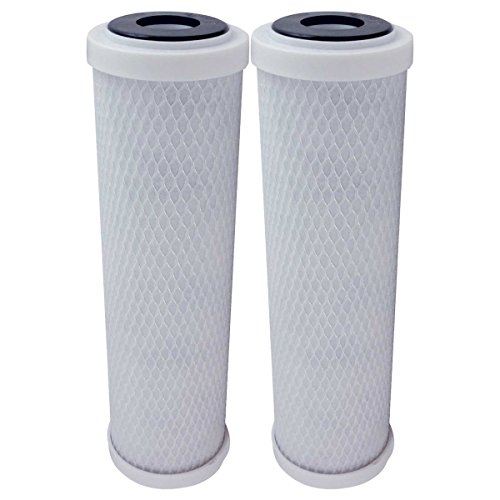
- RV water filter cartridge sulfur odor hydrogen sulfide
- hydrogen sulfide water treatment for RV portable filter


Before You Start
Before any work, shut off all water supplies and fans, and disconnect power to the RV water heater if safe to do so. Gather safety gear such as gloves and eye protection. Ventilate the area well to minimize exposure to sulfur smells during maintenance. Expect the process to take 1–3 hours depending on system size and complexity.
Step-By-Step: How To Eliminate Sulfur Odor In RV Water
- Identify the odor source by running cold water from multiple taps for several minutes to gauge the smell’s strength and location.
- Flush the entire cold-water system to remove stagnant water that can harbor sulfur compounds.
- Inspect the RV water heater and locate the anode rod. If the rod is magnesium, replace it with a magnesium kit designed for RV use.
- Install the new anode rod following the manufacturer’s instructions, ensuring a proper seal and torque.
- Refill and re-pressurize the hot water system, then run hot and cold water at taps to clear any debris from the replacement process.
- Replace the RV water filter cartridge if present. Choose a cartridge that targets sulfur odors or hydrogen sulfide and install per the housing’s instructions.
- Install a hydrogen sulfide water treatment or use a portable filter designed for RVs. Follow product instructions for dosage or filter changes.
- Run water from all fixtures for several minutes to confirm odor reduction. If smell persists, repeat flushing and consider a professional sanitization.
- Periodically check the anode rod and filter life as part of routine RV maintenance to prevent odor from returning.
- Store spare filters and maintenance parts in an accessible location to simplify future upkeep.
- For ongoing issues, limit use of well water or source water, and consider a dedicated sulfur-removal system for the RV water supply.
- Document maintenance steps and dates to track effectiveness and schedule future replacements.
Troubleshooting
| Symptom | Likely Cause | Fix | Prevention |
|---|---|---|---|
| Persistent rotten egg odor after flushing | Old anode rod or clogged filter | Replace anode rod and filter cartridge | Schedule routine replacement every 12–24 months |
| odor disappears after hot water but returns with cold | Hot water line treated, cold line untreated | Flush cold lines and treat entire system | Regular cold-water maintenance |
| Sulfur smell only when showering | Shower valve or line contamination | Flush dedicated lines and replace cartridge | Periodic system-wide maintenance |
| Filter hits replacement quickly | High sulfur load or poor filter choice | Switch to sulfur-targeted cartridge | Choose filters rated for hydrogen sulfide |
Common Mistakes
- Mixing metal corrosion inhibitors with hydrogen sulfide treatments without checking compatibility
- Ignoring the water heater anode rod and relying solely on filters
- Rushing the flushing process and not testing after reassembly
- Using unapproved chemicals or household remedies in the RV water system
Tips For Best Results
- Perform a full-system flush annually or after long storage to prevent odor buildup
- Choose a magnesium anode rod specifically designed for RV water heaters to minimize hydrogen sulfide formation
- Pair a sulfur-targeted water filter with periodic filter changes for ongoing odor control
- Keep a record of maintenance dates and part numbers for quick future replacements
- Test water quality before and after each maintenance cycle to measure effectiveness
Call A Professional
Consider professional help if the odor remains after all recommended steps, if the system involves complex plumbing, or if foul smells return soon after maintenance. Stop and contact a pro if you notice corrosion, leaks, or unusual taste changes that indicate water safety concerns beyond odor control.
FAQ
What causes rotten egg smell in RV water?
Hydrogen sulfide forms in water supplies or plumbing when sulfur compounds interact with metal and bacteria in the system.
Can the anode rod impact sulfur smell?
Yes, a magnesium anode rod can contribute to hydrogen sulfide formation; replacing it with the correct kit may reduce odors.
Is it safe to use hydrogen sulfide treatment in RV water?
Yes, use approved RV-grade products and follow label directions to ensure safety and compatibility with the system.
How often should I replace filters in an RV water system?
Typically every 6–12 months, or per manufacturer recommendations, with more frequent changes if odor returns quickly.
Should I sanitize the entire RV water system?
Sanitization is advisable if odors persist after standard maintenance or when the system has not been used for an extended period.
Can I use a portable filter to remove sulfur odors?
Yes, portable hydrogen sulfide filters are effective for RV use and can supplement fixed filters.
What maintenance schedule is best for odor control?
Run a seasonal maintenance plan: flush lines, replace the anode rod, and change filters at the start of each camping season.
Buying Guide
When selecting components to address rotten egg smells in RV water, consider size, compatibility, and maintenance requirements. Key buying factors include:
- <bSize and compatibility: Ensure the anode rod kit and filters fit your specific water heater model and RV plumbing layout.
- <bNoise and energy use: Most RV water systems operate quietly; filters and treatments should not add significant energy consumption.
- <bEnergy efficiency: Upgrading to efficient, targeted hydrogen sulfide treatments reduces waste and improves performance.
- <bControls and indicators: Look for components with clear installation instructions and easy-to-read filter-change indicators.
- <bPlacement and accessibility: Choose kits and filters that are easy to reach for maintenance during travel.
- <bMaintenance interval: Consider products with longer life spans to reduce frequent replacements.
- <bWater source: If your RV uses well water, prioritize sulfur-targeted filtration and robust treatment options.
- <bBudget considerations: Factor in initial costs plus replacement parts to estimate total ownership cost over time.
With the right combination of anode rod replacement, filtration, and sulfur-specific treatments, RV owners can regain clean-tasting water on the road. If in doubt, start with the simplest solution and escalate only as needed, keeping safety and water quality as priorities.
Leave a Reply