How to Get Rid of Red Wine Stains
Red wine spills can happen anytime, especially in dining rooms, living rooms, and during entertaining. The key to successful stain removal is acting quickly and using the right combination of products and techniques. This guide presents practical steps to lift wine stains from fabrics, carpets, and upholstery while preserving the material’s color and texture.
Below you’ll find a clear, actionable method that leverages common stain-removal tools, including a red wine stain remover pen, a carpet and upholstery stain remover spray for red wine, and an oxygen bleach stain remover gel for fabrics. The goal is to minimize set-in stains and restore the fabric’s appearance without damage.
Quick Answer
Act fast after a spill. Blot, don’t rub, to remove excess liquid. Use a stain-removal pen for immediate treatment, then follow with a fabric-safe spray and gel if the stain persists. Rinse or blot with a clean cloth and repeat as needed, testing on an inconspicuous area first.
What You’ll Need
The following tools and products cover the most common red wine fabrics and surfaces. Each item is geared toward practical at-home stain removal.
- Red wine stain remover pen
- Carpet and upholstery stain remover spray for red wine
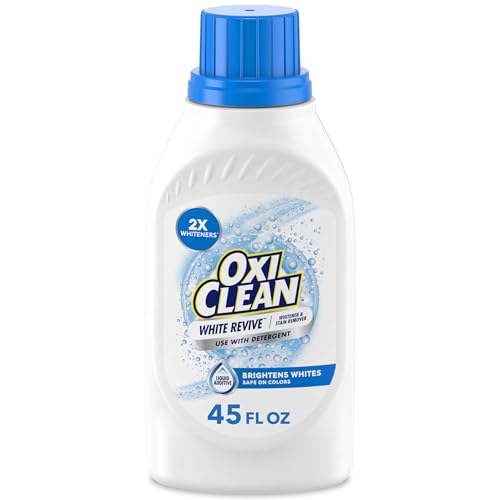
- Oxygen bleach stain remover gel for fabrics
- Clean white cloths or towels
- Old toothbrush or soft brush
- Cold water and a small basin
- Optional: mild detergent or color-safe soap


Before You Start
Before treating a stain, consider the fabric type and colorfastness. Test any product on a hidden area for color change or shrinkage. For delicate materials such as silk or wool, consult care labels or a professional cleaner. Work in a well-ventilated area and wear gloves if you’re using chemical cleaners.
Time estimates vary by fabric: fast action can dramatically improve results, whereas older or set-in stains may require multiple applications. In general, plan 20–60 minutes for initial treatment and repeat sessions if needed, allowing solvents to dwell briefly between steps.
Caution: Do not mix cleaners, and avoid applying heat or rubbing vigorously on delicate fabrics, which can set stains. Keep pets and children away from treated areas until fully dry.
Step-By-Step: How To Get Rid Of Red Wine Stains
- Contain and blot: Immediately blot the spill with a clean cloth to absorb excess liquid. Do not rub, as rubbing can push the stain deeper into fibers.
- Apply the stain remover pen: Use the red wine stain remover pen directly on the damp area. Follow the manufacturer’s instructions, typically by dabbing and allowing a brief contact time.
- Rinse with cold water: Lightly rinse the treated area from the back of the fabric to push the stain out of the fibers. Absorb moisture with a clean cloth.
- Ventilate and dry: If indoors, allow the fabric to air-dry for a short period before continuing. A damp stain is easier to treat than a dry, set-in one.
- Spray with carpet and upholstery stain remover: For fabrics and surfaces that accommodate spray products, apply evenly and wait the recommended dwell time. Gently blot to lift the stain.
- Apply oxygen bleach gel if needed: Mix or apply the gel according to label directions on fabrics that tolerate bleaching agents. Let it sit for the recommended duration, then rinse with clean water.
- Gently scrub and lift: Use a soft brush or cloth to lift any remaining pigment. Refresh with a clean, damp cloth to remove loosened residue.
- Repeat steps as necessary: Persistent stains often require multiple passes. Ensure the area dries between treatments to gauge progress accurately.
- Rinse and dry: Once the stain lightens or disappears, rinse thoroughly and blot with a dry towel. Let the fabric air-dry completely before use.
- Final check: Inspect in good lighting. If any color remains, consider repeating the steps or moving to a professional cleaning option for delicate materials.
- Prevent future staining: Treat high-risk fabrics with a fabric guard or stain-resistant spray after cleaning to help resist future spills.
Troubleshooting
| Symptom | Likely Cause | Fix | Prevention |
|---|---|---|---|
| Red stain reappears after drying | Stain had not been fully removed or set-in fibers | Repeat treatment step, increase dwell time if safe for fabric | Address spills promptly; test spot first |
| Color fading after treatment | Overly strong bleaching or aggressive scrubbing | Switch to milder method; avoid excessive abrasion | Test in hidden area; use fabric-safe products |
| Stain spreads during cleaning | Rubbing or improper technique | Blot and lift; work from the outside toward the center | Use damp cloth and gentle motions |
| Bleach marks on colored fabric | Oxygen bleach not compatible with dye | Stop and rinse immediately; skip bleach on those fabrics | Check fabric care label before using any bleach |
| Stain persists on carpet after gel | Deep fiber penetration | Apply a second pass with spray, then blot | Pre-test on a small hidden area |
Common Mistakes
- Using hot water on wine stains, which can set the pigment
- Rubbing the stain aggressively, spreading it further
- Applying bleach on non-colorfast fabrics
- Waiting too long to treat the spill
To avoid these errors, act quickly, use the right product for the fabric, and follow label directions carefully. If you are unsure about a material’s tolerance, consult the care label or a professional cleaner.
Tips For Best Results
- Blot from the outside in to prevent spreading
- Test any product on an inconspicuous area first
- Work with cold water; heat can set stains
- For large spills, cover affected area with a clean towel to absorb moisture before cleaning
- Rotate between products if one method stalls the stain
- Keep stain-removal products accessible for future incidents
Call A Professional
If the stained item is valuable, delicate, or antique, or if you notice color bleeding, fabric damage, or persistent staining after multiple attempts, seek professional cleaning. Emergency situations such as red wine on upholstery with foam padding or leather surfaces may require specialized treatment.
FAQ
Can I use a red wine stain remover pen on carpet?
Yes, many pens are designed for fabric and carpet use; test first on a hidden spot and follow product directions.
What if the stain is already dry and set?
Apply a stain remover, allow dwell time, then launder or rinse as appropriate; repeated applications may be necessary.
Is oxygen bleach safe on colored fabrics?
Oxygen bleach is generally safer than chlorine bleach, but always test a hidden area to ensure colorfastness.
How long should I let the gel sit before rinsing?
Follow label directions; typical dwell times range from a few minutes to 15 minutes depending on fabric and stain intensity.
Are there fabrics I should not treat with these products?
Yes, silk, wool, suede, leather, and certain velvet fabrics may require professional care or alternative methods.
Should I use heat to dry the treated area quickly?
Avoid heat until the stain is completely removed to prevent setting any residual pigment.
Buying Guide
When choosing stain-removal tools for red wine, consider size, noise level, energy efficiency, controls, and placement in your home. For comfort and ongoing use, a compact red wine stain remover pen is handy for quick spot treatment, while a carpet and upholstery stain remover spray for red wine covers larger areas. An oxygen bleach stain remover gel for fabrics provides an option for fabrics that tolerate mild bleaching. Look for products with clear instructions, fabric compatibility, and visible safe-use warnings. If your space is shared with pets or children, select low-odor formulas and consider a spray bottle with a spray pattern suitable for quick, even coverage. Evaluate whether you need portable travel-sized options or a larger, home-use kit for frequent entertaining.
Size and placement matter: keep a compact kit in the dining or living area for quick response, while storing backup supplies in a laundry or utility room. Noise level is a practical factor for apartment dwellers, so choose products that operate quietly. Energy efficiency is less critical for these manual treatments, but if you select any powered cleaning devices, choose energy-conscious models. Finally, assess how often you entertain and the typical stain scenarios; this will guide how comprehensive your kit should be.
Leave a Reply