How to Get Rid of Red Spot After Pimple
Pimple-related redness can be frustrating, but with a few targeted at-home steps, most red spots fade more quickly. This guide covers practical methods using safe skincare tools and science-backed routines to calm inflammation and even skin tone without irritating breakouts.
Quick Answer
Apply gentle cooling and light therapy to reduce inflammation, then use a targeted scar-minimizing routine. For quick relief, try a cold massage, a brief LED red light treatment, and avoid picking. Consistency over several days yields the best results.
What You’ll Need
Gather these tools and items to support a red spot reduction routine. Use the provided product keywords as the core options, and consider their close equivalents if a specific item isn’t available.
- LED acne treatment mask red light therapy device for soothing inflammation and promoting gentle healing
- derma roller for acne scars 0.25mm for micro-stimulation and improved product absorption (use with caution and clean tools)
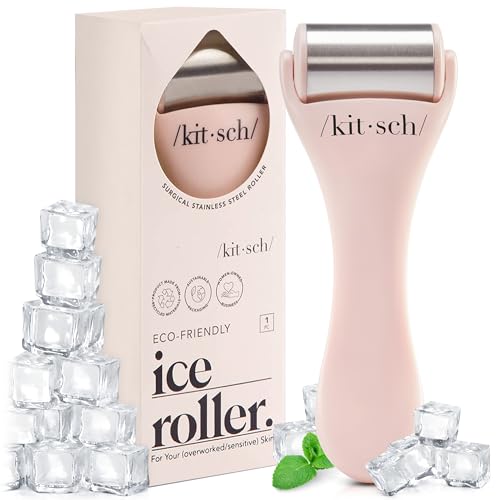
- ice roller facial cooling massager for acne redness for immediate cooling and constriction of small vessels


Before You Start
Assess skin condition to avoid aggravating a blemish. Always patch-test new tools on a non-affected area first and follow each device’s instructions. Time estimates vary, but expect a light routine lasting 10–20 minutes per session, a few times per week. Avoid aggressive rubbing, harsh scrubs, or picking at the spot, which can worsen redness and lead to scarring. If you have a history of keloids or persistent rosacea, consult a dermatologist before using active tools.
Step-By-Step: How To Get Rid Of Red Spot After Pimple
- Cleanse with a gentle, non-irritating cleanser to remove oil and bacteria without stripping the skin.
- Apply a brief ice or ice roller session for 1–2 minutes to reduce swelling and constrict blood vessels.
- Use the LED acne treatment mask red light therapy device on a low setting over the reddened area for 5–10 minutes to encourage healing without overheating the skin.
- If using a derma roller for acne scars 0.25mm, ensure hands and the device are sterile. Lightly roll in vertical, horizontal, and diagonal directions for 1–2 passes over the affected zone, then apply a soothing serum.
- Follow with a calming serum containing hyaluronic acid or ceramides to lock in moisture.
- Apply a non-comedogenic, fragrance-free moisturizer to maintain the skin barrier and prevent new irritation.
- Place the ice roller facial cooling massager for acne redness back on the area for 1–2 minutes to seal the cooling effect.
- Avoid sun exposure shortly after treatment; if outdoors, apply broad-spectrum SPF to protect healing skin.
- Monitor the spot for 24–48 hours. If redness worsens or blisters form, discontinue use and consult a professional.
- Repeat the routine 2–3 times this week, then reassess the redness and adjust frequency based on skin response.
- Maintain a consistent nighttime skincare ritual focusing on barrier repair and gentle cleaning to support ongoing healing.
- Document any noticeable changes and adjust tools or settings if needed to minimize irritation.
Troubleshooting
| Symptom | Likely Cause | Fix | Prevention |
|---|---|---|---|
| Increased redness after use | Overstimulation or sensitive skin | Reduce duration or intensity, skip derma rolling for now | Patch-test; start with gentler devices |
| Dry, flaky patch around spot | Over-cleansing or harsh actives | Switch to a milder cleanser; add a hydrating serum | Hydrate daily; avoid harsh exfoliants near the area |
| New pimples after treatment | Live bacteria on skin or product buildup | Clean devices thoroughly; use non-comedogenic products | Regular tool sanitation; limited product layering near the spot |
| Persistent redness beyond a few days | Inflammation or underlying condition | Consult dermatologist | Limit aggressive tools; focus on gentle repair routines |
Common Mistakes To Avoid
- Using high-intensity settings on delicate facial skin
- Overdoing derma rolling or applying active acids immediately after use
- Rubbing the affected area aggressively or picking at the spot
- Skipping patch tests or combining incompatible tools without guidance
Tips For Best Results
Consistency matters. Pair cooling and light therapy with a barrier-repair routine to support healing. Keep hydration levels up and select non-irritating products. If you prefer natural remedies, use plain, fragrance-free moisturizers and avoid essential oils near the spot. For best outcomes, rotate tools to reduce overstimulation and monitor your skin’s response over a 4–6 week period.
Call A Professional
Consider professional help if redness persists beyond two weeks, if there are frequent flare-ups, or if you notice signs of infection (pus, increasing warmth, fever). Seek a dermatologist or licensed esthetician for tailored treatments, prescription therapies, or advanced modalities that suit your skin type and medical history.
FAQ
Is red light therapy safe for pimples?
Yes, when used as directed, red light therapy can help reduce inflammation and support healing without harsh heat.
Can a derma roller cause more redness?
Yes, especially on sensitive skin or with improper technique. Use a 0.25mm roller cautiously and never on inflamed skin without guidance.
How often should I use an ice roller for redness?
2–3 times per day for short sessions is common, but discontinue if skin becomes numb or irritated.
When should I see a doctor for post-pimple redness?
If redness lasts beyond two weeks, worsens, or is accompanied by swelling, fever, or sharp pain, seek professional advice.
Buying Guide
Choosing the right tools to combat post-pimple redness involves balancing effectiveness, skin sensitivity, and ease of use. Consider size and ergonomics for comfortable handling, noise levels for home use, energy efficiency of devices, control options, and placement flexibility. For the tools listed here:
- LED acne treatment mask red light therapy device: look for adjustable intensity, safe wavelength range (commonly 620–750 nm for redness), and a comfortable fit that can cover the target area without overheating.
- Derma roller for acne scars 0.25mm: evaluate needle length, build quality, ease of cleaning, and whether to use with a professional plan if you have sensitive or active breakouts.
- Ice roller facial cooling massager for acne redness: prioritize a durable handle, a wide roller head that fits facial contours, and a cooling mechanism that stays effective without added chemicals.
When comparing models, consider how the devices integrate with your existing skincare routine, how long you’ll rely on each tool, and whether a bundled set offers a balanced approach to redness management. Do you prefer quick, low-irritation sessions or a more involved weekly routine? Assess living space and usage patterns to ensure devices fit into daily life without causing inconvenience.
Leave a Reply