How to Get Rid of Red Gnats
Red gnats, commonly known as fruit flies, often invade kitchens and indoor spaces where ripe fruit, beverage spills, or moist drains provide attracting conditions. This guide outlines practical, proven methods to reduce and eliminate fruit fly populations using common household tools and targeted traps.
By combining sanitation, physical traps, and strategic placement, readers can tackle a fruit fly problem effectively without harsh chemicals. The steps below emphasize safe, American-friendly practices suitable for homes, apartments, and small kitchens.
Quick Answer
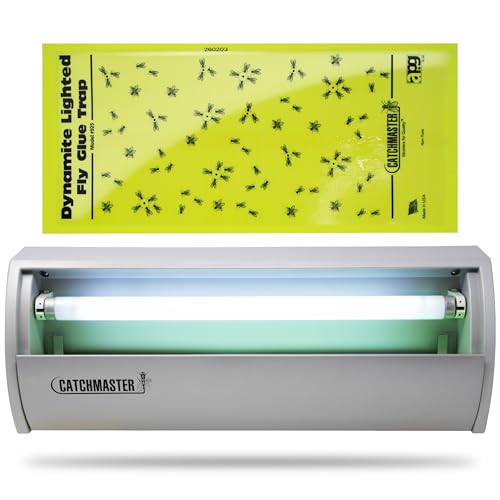
Best first moves: remove attractants by disposing of overripe fruit, clean surfaces, and run traps like USB powered electric fruit fly trap indoor and UV light bug trap gnat killer with adhesive board. Use sticky fruit fly trap strips 12 pack to capture lingering adults. Combine with ongoing sanitation for long-term results.
What You’ll Need
- USB powered electric fruit fly trap indoor
- UV light bug trap gnat killer with adhesive board
- Sticky fruit fly trap strips 12 pack


Before You Start
Identify common attractants: exposed fruit, juice spills, compost, and damp sinks. Empty and clean trash cans, wipe countertops with a vinegar-water solution, and drain areas to remove organic residues. Safety: keep traps away from children and pets; avoid placing traps near food preparation surfaces. Expect results within a few days with consistent sanitation and trap use. Time estimate: 1–7 days to notice a drop in adult fruit fly activity.
Step-By-Step: How To Get Rid Of Red Gnats
- Remove all overripe or rotten fruit from counters and fruit bowls; seal and dispose of waste promptly.
- Clean kitchen drains with a stiff brush and a drain cleaner or boiling water to disrupt breeding sites.
- Set up the USB powered electric fruit fly trap indoor near the sink and fruit areas to attract and capture adults.
- Position the UV light bug trap gnat killer with adhesive board in a dark corner of the kitchen or pantry to lure and trap gnats.
- Place sticky fruit fly trap strips 12 pack along windowsills, doors, and near trash cans for passive capture.
- Replace traps and strips every 1–2 weeks or as advised by product instructions to maintain efficacy.
- Wipe down all surfaces with a vinegar-based solution to remove residues that attract gnats.
- Monitor activity daily and relocate traps if you notice gnats clustering in one area instead of others.
Troubleshooting
| Symptom | Likely Cause | Fix | Prevention |
|---|---|---|---|
| Many gnats persist after setup | New breeding sites or hidden larvae | Inspect drains and dispose of standing moisture; re-clean with cleaners | Regular weekly cleaning and drain maintenance |
| Traps capture few gnats | Insufficient attractants or poor placement | Move traps closer to breeding sites and add additional units | Keep traps active during peak activity times (early morning/late afternoon) |
| Gnats return after initial drop | Re-contamination from outside or hidden residues | Reassess kitchen cleanliness and seal entry points | Seal windows/doors and fix leaks |
Common Mistakes
- Relying on a single trap type and ignoring sanitation
- Waiting too long to remove rotting fruit or spills
- Placing traps where there is no light or flight path
- Using pheromone baits without proper placement
Tips For Best Results
- Keep ripe fruit refrigerated and store produce in sealed containers
- Run traps continuously for at least a week to break breeding cycles
- Combine physical traps with routine cleaning of drains and surfaces
- Label and rotate trap locations to cover all kitchen zones
Call A Professional
Consider contacting a pest professional if fruit fly activity persists beyond two weeks despite consistent sanitation and trap use, or if you notice signs of a larger infestation such as numerous breeding sites outside the kitchen (e.g., trash rooms, compost areas). Seek help sooner if there are young children or pets in the home, or if there is any concern about chemical exposure from cleaners or traps.
FAQ
What attracts red gnats indoors?
Warmth, moisture, and fermenting fruit or sugary liquids attract fruit flies; damp drains and garbage areas are common breeding sites.
Do I need to use all three traps?
Using a combination increases effectiveness: traps for attraction, and sticky strips for ongoing capture in multiple zones.
How long until I see results?
Most households notice fewer gnats within 3–7 days with proper sanitation and trap usage.
Are these traps safe for households with kids and pets?
Choose traps and placements away from food prep surfaces; follow manufacturer safety guidelines for all devices.
Buying Guide
When selecting traps for red gnats, consider size, placement, and maintenance. A multi-trap approach often yields the best results in American homes.
- Size and coverage: bigger spaces may require multiple traps; compact devices fit smaller kitchens.
- Noise and energy: USB powered options are quiet and energy-efficient for continuous use.
- Controls and ease of use: simple plug-in operation and replaceable adhesive boards simplify ongoing maintenance.
- Placement: place near breeding sites (drains, fruit bowls) but away from food prep areas.
- Efficiency and maintenance: choose traps with easy-to-replace adhesive boards and long-lasting attractants.
For households dealing with persistent fruit flies, combining a USB powered device, a UV light trap with adhesive boards, and sticky strips provides layered control. If you notice ongoing activity in non-kitchen areas, consider expanding the trap network to entry points and trash disposal zones. Need guidance on selecting the right combination for your space? A quick assessment of room layout and typical attractants helps tailor the setup for best results.
Leave a Reply