How to Get Rid of Puppy Breath: Safe at-Home Tips
Puppy breath is common in young dogs, but owners want to keep it pleasant and ensure healthy dental habits early. This guide covers practical steps, safe products, and when to seek help from a professional. The focus is on gentle routines that suit small breeds and puppies while promoting good oral health.
The information below blends simple daily care with product recommendations that are suitable for small dogs and puppies. Following these steps can reduce odor, prevent dental issues, and set up lifelong dental hygiene habits for your furry friend.
Quick Answer
Start with daily brushing using enzymatic toothpaste designed for puppies, pair with a soft-bristle brush or finger brush, and supplement with dental chews to support breath freshness. Regular veterinary checkups are essential to rule out signs of dental disease.
What You’ll Need
- Enzymatic puppy toothpaste dental care kit for small dogs — designed to break down plaque without foaming and safely mask odor.
- Soft bristle dog toothbrush with finger brush for puppies — gentle on delicate puppy gums.
- Small breed puppy dental chews for bad breath treats — convenient rewards that promote chewing and breath freshness.
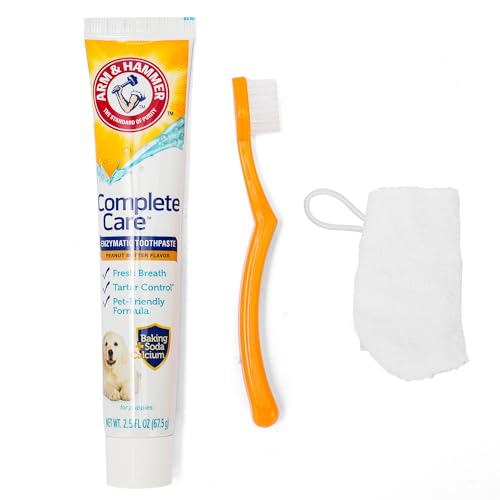


Before You Start
Before beginning at-home dental care, consult your veterinarian to rule out illness or other causes of foul breath, such as digestive issues or infections. Select age-appropriate products and supervise all brushing sessions. Plan for short sessions (1–2 minutes) to prevent stress, and aim for a routine at least 3–4 times per week, increasing to daily as your puppy adapts.
Safety cautions: Use only products formulated for dogs and puppies; human toothpaste can harm pets. Avoid hard chews that might damage developing teeth and always monitor for signs of gagging or choking during brushing.
Estimated time to establish a routine is about 2–3 weeks, with noticeable improvements in breath as dental care becomes consistent.
Step-By-Step: How To Get Rid Of Puppy Breath
- Set a comfortable brushing space and gather materials: toothpaste, toothbrush, and treats from the list above.
- Introduce the brush gradually to your puppy’s mouth, using a soft touch and short, positive sessions.
- Apply a pea-sized amount of enzymatic puppy toothpaste to the brush to begin cleaning without foaming.
- Gently brush the outer surfaces of all teeth in small circular motions, focusing on the molars and canines.
- Switch to a finger brush if your puppy prefers this method, which can improve control around the gums.
- Reward with a small dental chew after brushing to reinforce positive association and promote continued chewing for breath freshness.
- Incorporate oral care into daily routines: pair brushing with after-meal play or a potty break to create consistency.
- Replace or supplement with periodic dental chews to reduce plaque buildup between brushing sessions.
- Schedule a veterinary dental exam, especially if breath remains unusually strong or if you notice swelling, bleeding, or loose teeth.
- Track progress: note changes in odor and dental cleanliness, adjusting brushing duration and frequency as needed.
- Introduce routine checks for dental health as your puppy grows into a small breed adult, maintaining regular dental care.
- Keep fresh water accessible and avoid leaving food or treats that encourage excessive tartar buildup between brushing sessions.
Troubleshooting
| Symptom | Likely Cause | Fix | Prevention |
|---|---|---|---|
| Puppy breath persists after brushing | Plaque buildup or gum inflammation | Increase brushing duration gradually; consult vet if odor continues | Maintain daily brushing and use dental chews as directed |
| Puppy resists brushing | Discomfort or fear | Use finger brush first; keep sessions short and positive | Introduce gradual exposure and reward-based training |
| Bleeding gums during brushing | Gingivitis or sensitive gums | Pause brushing; consult vet promptly | Use softer brushes and gentle technique once cleared |
| Chewing alternative causing bad breath | Dietary issues | Review diet with vet; switch to vet-recommended dental chews if needed | Balanced snacks and regular dental care routine |
Common Mistakes
- Using human toothpaste or brushing too aggressively, which can irritate gums.
- Relying solely on treats without brushing, allowing plaque to accumulate.
- Forgetting to clean the tongue area, where odors often originate.
- Delaying veterinary checkups when breath issues persist beyond a few weeks.
Tips For Best Results
Consistency is key: set a fixed time each day for brushing and treats to build a routine your puppy expects with positive associations. Choose a flavor the puppy enjoys to encourage cooperation, and use a soft-bristle toothbrush that fits comfortably in a small mouth. Pair brushing with a routine dental chew to reduce plaque between sessions, and ensure fresh water is always available to support overall oral health.
Call A Professional
Seek veterinary guidance if you notice persistent bad breath, swollen gums, broken or loose teeth, decreased appetite, or drooling. Stop-home care if the puppy shows ongoing distress during brushing or if you detect any signs of systemic illness. A veterinarian can perform professional cleaning, identify underlying health issues, and recommend a tailored oral care plan for your puppy.
FAQ
Is puppy breath normal?
Minor, temporary puppy breath is common as teeth erupt and bacteria develop. Persistent or foul breath warrants dental care and a vet check.
How often should I brush my puppy’s teeth?
Daily brushing is ideal, but start with a few times a week and increase as your puppy becomes comfortable.
Can dental chews replace brushing?
They complement brushing but should not replace it; brushing remains the most effective way to remove plaque.
What if my puppy swallows toothpaste?
A small amount is typically harmless, but avoid ingestion and follow product instructions. If concerns arise, contact a veterinarian.
When should I switch to a professional dental cleaning?
If plaque buildup remains after consistent home care or if signs of dental disease appear, a professional cleaning is advised.
Are there age limits for dental care products?
Most products are formulated for puppies and small breeds; check age guidelines on the packaging and consult your vet for tailored advice.
Buying Guide
When choosing dental care products for a puppy, consider size, age, and breed-specific needs. For small dogs, select tools and chews designed for small mouths to ensure safe handling and effective cleaning. Noise level and resistance during brushing can influence compliance, so look for mild, puppy-friendly flavors and textures. Energy efficiency isn’t a major factor here, but consistency matters—choose products that fit your routine and are easy to use daily. Controls refer to simple, straightforward packaging and clear usage directions. Placement considerations include having a quiet, well-lit space and storing toothpaste out of reach from curious pups. Compare options that prioritize enzymatic formulas, soft bristles, and gentle textures to sustain long-term oral health. Would you benefit from bundling a toothpaste kit with a soft-bristle brush for a cohesive at-home plan? These combinations often provide the best overall results.
Leave a Reply