How to Minimize Pores on Legs for Smoother Skin
Pores on legs can appear larger due to oil buildup, dead skin, and shaving or depilation irritation. This guide provides practical steps to reduce their appearance using common body care tools and routine tweaks that fit a typical American bathroom setup.
By following a consistent regimen focused on exfoliation, hydration, and gentle cleansing, you can achieve visibly smoother skin around the legs. The tips below emphasize real-world routines you can adopt with everyday products and a short time investment each week.
Quick Answer
Target exfoliation 2–3 times per week with a gentle tool, followed by hydration and sun-safe moisturization. Introduce a silicone glove or long-handle brush to reach tricky areas, and avoid harsh scrubs that can irritate pores and worsen texture.
What You’ll Need
The following tools help you safely exfoliate and care for the legs without over-irritation. Use in combination with a regular cleansing routine for best results.
- Exfoliating body brush long handle for easy access to awkward areas
- Electric body exfoliator brush for rapid, consistent scrubbing
- Silicone exfoliating glove for legs for gentle, massaging exfoliation
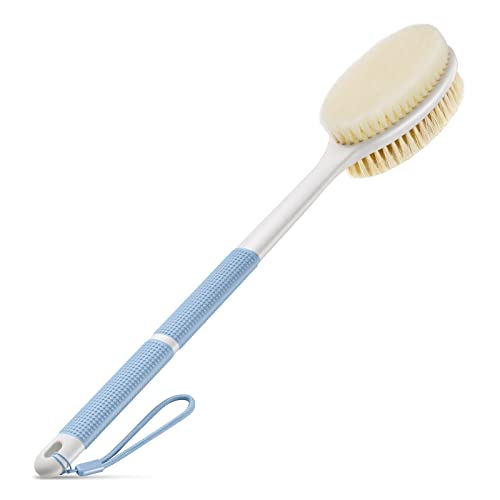
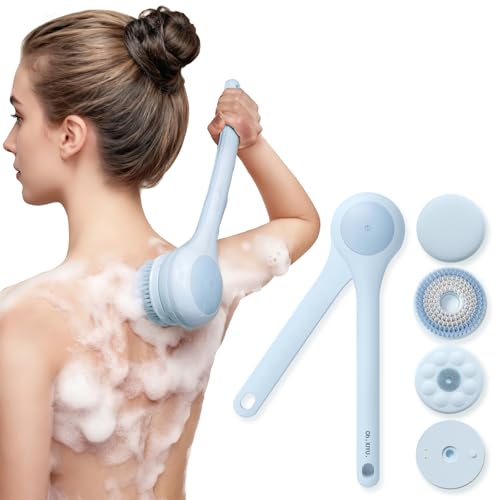

Before You Start
Prepare the skin with a warm shower to soften the outer layer. Use a mild cleanser and avoid aggressive scrubs that can irritate pores. Patch test any new tool on a small area first to check for sensitivity. Plan for a routine that fits within 15–30 minutes per session, 2–3 times weekly. If you have eczema, psoriasis, or active skin infections, consult a dermatologist before using exfoliating tools.
Step-By-Step: How To Minimize Pores On Legs
- Gently cleanse the legs with a mild, pore-friendly cleanser to remove oil and dirt without stripping moisture.
- Apply a warm-water rinse and prepare the skin for exfoliation by softening it further in the shower.
- Choose an exfoliation tool: exfoliating body brush long handle for broad areas, electric body exfoliator brush for speed, or silicone exfoliating glove for legs for sensitive skin.
- Use circular, light-pressure motions on the legs, focusing on areas with visible pores or rough texture. Never press hard; let the tool do most of the work.
- Rinse thoroughly to remove dead skin cells and residue. Pat dry with a clean towel.
- Apply a lightweight, non-comedogenic moisturizer to seal in hydration and soften the skin’s surface.
- Consider a weekly routine reset: switch between tools to prevent irritation and to reach all leg areas evenly.
- Finish with a broad-spectrum sunscreen when stepping outdoors, as sun exposure can worsen skin texture and pigmentation.
Troubleshooting
| Symptom | Likely Cause | Fix | Prevention |
|---|---|---|---|
| Redness after exfoliation | Overly aggressive pressure | Ease pressure, shorten sessions | Limit use to 1–2 times per week during initial phase |
| Dry, irritated skin | Over-exfoliation or stripping cleansers | Switch to a gentle cleanser and reduce frequency | Moisturize immediately after exfoliation |
| Textured skin persists | Deep pores with buildup | Incorporate a silicone glove for consistent micro-exfoliation | Hydrate well and avoid harsh scrubs |
| Breakouts after use | Clogged pores from residue | Rinse tools thoroughly; use non-comedogenic products | Clean tools after each use |
Common Mistakes
- Using too-firm pressure or very coarse scrubs on the legs
- Over-exfoliating, which can increase oil production and pore visibility
- Skipping moisturizer after exfoliation, leading to tight, dull skin
- Failing to patch-test new tools, risking irritation or an allergic reaction
Tips For Best Results
- Rotate between tools to minimize irritation and maximize coverage
- Choose a tool based on area accessibility: long handle for behind the knees, glove for the front of the thighs
- Always moisturize after exfoliation to restore the skin barrier
- Combine exfoliation with gentle toning and hydration to help skin surface look smoother
- Stay consistent; visible improvements typically appear after 4–6 weeks of regular routine
Call A Professional
Seek professional advice if you notice severe irritation, persistent redness, swelling, or new or worsening bumps that don’t improve with home care. A dermatologist can assess for conditions such as keratosis pilaris, folliculitis, or other skin changes that mimic enlarged pores and may prescribe targeted treatments.
FAQ
Can I use exfoliating tools on sensitive skin?
Yes, but select gentler options like a silicone glove and use light pressure, increasing frequency gradually as tolerated.
How often should I exfoliate my legs?
Start with 2 times per week and adjust based on skin response; avoid daily exfoliation.
Will exfoliating make my pores smaller?
Exfoliation removes buildup that makes pores appear larger, improving surface texture, but pore size is largely genetic and structural.
Should I exfoliate after shaving?
Exfoliate 24 hours after shaving to reduce ingrown hairs, using a gentle tool and light pressure.
Buying Guide
When selecting tools to minimize pore appearance on legs, consider size, material, and how you plan to use them. A combination approach often yields the best results, using each tool for its strengths.
Key factors to compare:
- <bSize and reach: A long-handle brush helps reach behind the knees and calves without overreaching.
- <bExfoliation action: Manual brushes provide tactile control, while electric brushes offer consistent speed and motion.
- <bMaterial: Silicone gloves are gentle and hygienic; traditional bristles offer more scrubbing power; ensure a washable design.
- <bGentleness and skin type: Sensitive skin benefits from softer silicone or light brushing settings; regular skin types can tolerate firmer textures.
- <bMaintenance: Look for tools that are easy to clean and quick to dry to prevent bacteria buildup.
- <bUsage frequency: Tools with adjustable intensity accommodate changing routines and skin condition.
- <bPlacement: Use in the shower or on a moisture-rich surface to reduce friction on dry skin.
Consider pairing a versatile long-handle brush for large areas with a silicone glove for targeted zones, and reserve an electric exfoliator for quick sessions if you prefer speed and consistency. Always start with the gentlest option and move to firmer devices only if tolerated. Are you ready to tailor a pore-friendly routine that fits your schedule and skin type?
Leave a Reply