How to Get Rid of Poison Ivy Safely and Effectively
Poisons ivy is a common outdoor nuisance that can cause irritating rashes and long-lasting skin reactions. This guide provides practical steps to identify, treat, and remove poison ivy using effective, user-safe methods for American gardens and yards.
Quick Answer
To cleanly remove poison ivy, apply a glyphosate-based poison ivy killer spray 1 gallon to actively growing plants with a steady hand and protective gear, use a backpack sprayer for herbicide 4 gallon for larger areas, and wear chemical resistant gardening gloves poison ivy removal to protect skin. Treat regrowth promptly and dispose of contaminated debris safely.
What You’ll Need
- Glyphosate-based poison ivy killer spray 1 gallon or another approved herbicide
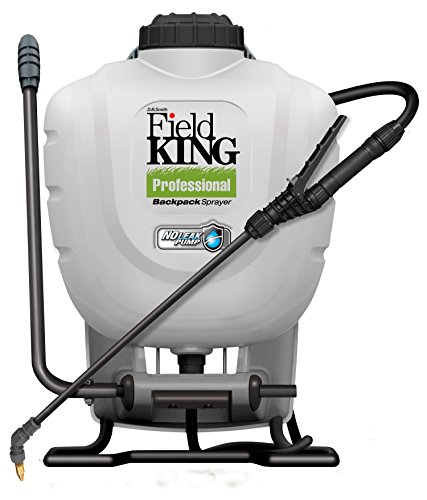
- Backpack sprayer for herbicide 4 gallon or a handheld sprayer for small patches
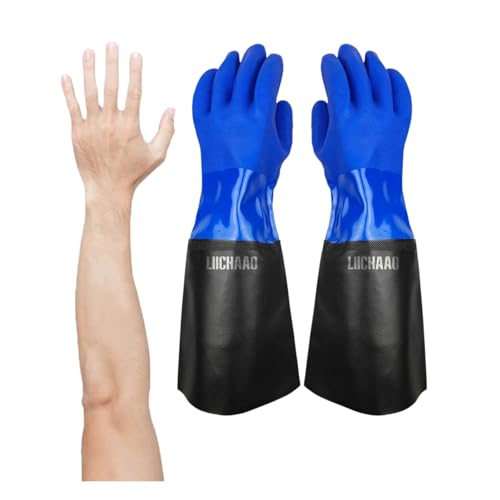
- Chemical resistant gardening gloves poison ivy removal (chemical-resistant, long sleeves)
- Long sleeves and pants, closed-toe shoes, eye protection
- Rake or pruner for cutting vines before spraying (if needed)

Before You Start
Plan spraying on a dry, wind-free day to minimize drift. Inspect the area for sensitive plants you don’t want harmed, such as ornamentals or nearby vegetable beds. Follow label directions precisely on the herbicide container. Keep pets and children away during treatment and until the area is dry. Estimate several hours to complete treatment in larger yards and up to a full day for extensive infestations.
Step-By-Step: How To Get Rid Of Poison Ivy
- Put on chemical resistant gardening gloves poison ivy removal, long sleeves, and eye protection.
- Identify poison ivy by its characteristic trio leaflets and verify there are no protected plants nearby.
- With gloves on, use a pruner or shear to cut vines at the base if the plant is spreading aggressively.
- Mix or prepare the glyphosate-based poison ivy killer spray 1 gallon per label instructions for the spray volume you’ll use.
- Fill the backpack sprayer for herbicide 4 gallon and calibrate nozzle settings for a targeted, thorough spray.
- Spray the leaves and newly exposed growth until they are visibly wet but not dripping.
- Do not spray on windy days to limit drift; wash tools and gloves after use and launder contaminated clothing separately.
- Monitor treated areas over the next weeks for new growth and reapply as needed according to label guidelines.
Troubleshooting
| Symptom | Likely Cause | Fix | Prevention |
|---|---|---|---|
| Leaves curl or stay green after spray | Herbicide did not contact enough foliage | Re-spray following label intervals | Apply in active growth stage |
| Vines reappear after a week | Underground roots or missed plants | Follow-up treatment on regrowth | Comprehensive initial coverage |
| Drift onto desirable plants | Over-spraying or windy conditions | Re-site sprayer and shield plants | Spray on calm days |
| Skin irritation after handling gloves | Gloves compromised or improper washing | Replace gloves and wash hands thoroughly | Inspect glove seals before use |
Common Mistakes
- Spraying poison ivy in windy conditions or onto sensitive plants
- Using inadequate protective gear or reusing contaminated clothing without cleaning
- Not following label directions or skipping reapplication steps
Careful preparation and adherence to product instructions reduce risk and improve outcomes.
Tips For Best Results
- Spray during the plant’s active growing season for best absorption of the herbicide.
- Target only the poison ivy to avoid harming surrounding vegetation.
- Clean tools promptly after use to prevent unintended exposure.
- Consider treating at the edge of mature infestations first to curb spread.
Call A Professional
Consider a professional if poison ivy covers large areas, is in hard-to-reach locations, or poses a high skin exposure risk during removal. Seek immediate assistance if anyone experiences severe itching, swelling, or difficulty breathing after exposure.
FAQ
What is the best time to spray poison ivy?
The best time is during active growth in late spring to early summer when leaves are larger and more receptive to herbicides.
Can I use a regular garden sprayer for poison ivy?
A dedicated backpack sprayer for herbicide ensures better coverage and reduces cross-contamination.
Will glyphosate kill poison ivy roots?
Glyphosate-based products are systemic and can kill the root system when applied properly to foliage.
How soon can I see results after spraying?
Visible signs often appear within 1–2 weeks, with full control potentially taking a couple of months depending on infestation.
Buying Guide
When choosing products and equipment for poison ivy control, consider size, efficiency, and ease of use. For compact patches, a spray bottle or handheld sprayer may suffice; for larger areas, a backpack sprayer for herbicide 4 gallon offers better coverage and efficiency. Look for a glyphosate-based poison ivy killer spray 1 gallon with proven broadleaf activity and clear safety instructions. Ensure gloves are chemical resistant gardening gloves poison ivy removal and that protective gear includes long sleeves and eye protection. Evaluate nozzle types for accurate spraying and check for weather-related usage notes to minimize drift. Finally, review storage and disposal guidelines to handle leftovers and container recycling responsibly.
Leave a Reply