How to Get Rid of Pink Hair: A Practical Guide
Pink hair can be vibrant and fun, but the desire for a different shade or a more natural tone often arises. This guide walks American readers through practical, at-home methods to remove or fade pink dye, with safe steps and realistic expectations.
Quick Answer
Several paths work depending on how quickly you want results and how your hair reacts to products. A color remover kit designed for dyed hair, an at-home color remover like the Oops kit, or a clarifying shampoo can gradually reduce pink tones. For stubborn or dark pink shades, consider a strand test first and proceed with care to minimize damage.
What You’ll Need
- Color remover kit for dyed pink hair
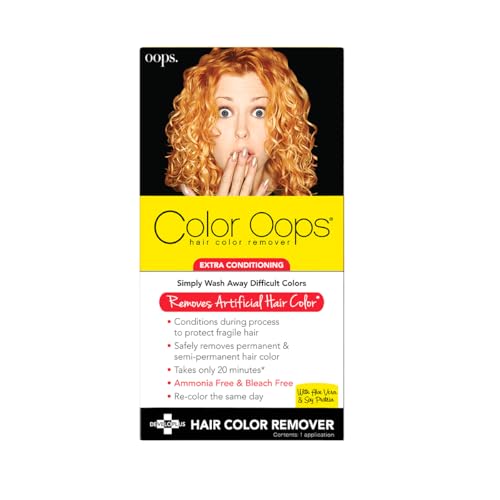
- At-home hair color remover Oops kit
- Clarifying shampoo for removing pink hair dye
- Wide-tooth comb, old towel, and protective gloves
- Deep conditioner or bond builder treatment


Before You Start
Before attempting color removal, determine your hair’s current condition. Damaged or porous hair may respond differently and could be prone to breakage. Always perform a strand test to gauge processing time and outcome. Protect skin and eyes, follow product instructions precisely, and avoid overlapping color on previously colored sections. Plan for multiple sessions if needed and expect some level of color lift rather than a perfect revert to your natural shade.
Step-By-Step: How To Get Rid Of Pink Hair
- Prepare your workspace with towels, gloves, and proper ventilation. Read all product instructions before starting.
- Do a strand test to see how your hair responds to the chosen method (color remover kit for dyed pink hair).
- Wash with a clarifying shampoo to remove surface buildup and help color molecules lift. Rinse thoroughly.
- Apply the color remover kit for dyed pink hair evenly, following the recommended timing for your hair type. Use gloves and avoid scalp contact beyond the roots.
- Rinse completely with lukewarm water once processing time is reached. Avoid hot water, which can open cuticles excessively.
- Apply the at-home hair color remover Oops kit if the pink tones persist or if you want a more aggressive lift. Follow the packaging for timing and rinse steps.
- Condition deeply after every removal session and consider a bond-building treatment to restore strength and moisture.
- Assess the result. If pink remains, repeat steps 4–7 with caution, allowing hair to recover between sessions.
- If the shade becomes uneven, tone the hair with a color-depositing conditioner or a gentle toner that matches your target shade.
- Protect your hair going forward with color-safe shampoos, UV protection, and regular deep conditioning to maintain health.
- Consider professional services if color lift is incomplete or if you notice significant damage signs like excessive breakage or severe dryness.
Troubleshooting
| Symptom | Likely Cause | Fix | Prevention |
|---|---|---|---|
| Pink returns after washing | Undertones remain or color molecules were not fully lifted | Repeat color removal steps or consider a professional toner | Limit processing time, perform strand tests |
| Hair feels dry or frizzy | Over-processing or chemical damage | Pause, deeply condition, and use bond-strengthening products | Follow recommended times and add moisture care after each step |
| Uneven color after removal | Uneven porosity across strands | Even application in subsequent passes and use toners to balance | Do strand and full-length checks, adjust technique |
| Color remover no longer works | Color layer is embedded or resistant | Seek professional color correction | Avoid repeated aggressive removals without rests |
Common Mistakes
- Skipping a strand test and going too long with processing
- Using a remover on damaged hair without conditioning in between
- Over-applying products and causing scalp irritation
- Ignoring wear-and-tear signs like excessive tangling or breakage
Tips For Best Results
- Always start with a clarifying wash to remove residues that hinder removal.
- Use color-removal products in a cool or lukewarm environment to protect hair integrity.
- Alternate removal days with deep conditioning and moisture masks.
- Keep expectations realistic; pink tones may fade gradually rather than disappear in one session.
- Document each step with notes on timing and results for better planning if multiple sessions are needed.
Call A Professional
Consider a professional if you notice excessive damage, persistent uneven tones, or if the shade is resistant after multiple attempts. Stop and consult a stylist if you experience persistent scalp irritation, burning, or signs of chemical burns.
FAQ
Is pink dye easy to remove at home?
Removal success varies with hair type and the dyes used. Lightened or previously bleached hair may respond better to color removers, while darker pinks can be more stubborn.
Can clarifying shampoo remove pink dye?
Clarifying shampoo helps remove buildup and may fade pink slowly, but it usually isn’t enough for complete removal on its own.
How many sessions does it take to remove pink hair?
Most results appear after 1–3 sessions, depending on dye intensity and hair condition.
What should I do after removing pink dye?
Follow up with a deep conditioning routine and bond-building products to restore moisture and resilience.
Will color-removal affect my natural color?
Removals can alter shade temporarily; strand tests help predict outcomes and minimize surprises.
Should I dye again immediately after removal?
Allow hair to recover before applying another color to avoid further damage.
When is it best to seek a professional color correction?
If color remains uneven, if hair feels compromised, or if color results are not satisfactory after several attempts.
Buying Guide
When choosing products to remove pink hair, consider factors like hair length and porosity, time you can dedicate to processing, and sensitivity to chemicals. A color remover kit for dyed pink hair is often designed for multiple steps and controlled lifting. The at-home hair color remover Oops kit offers a fast option for stubborn pink hues. A clarifying shampoo for removing pink hair dye helps prepare the hair and support gradual fading. Look for products with gentle formulas that include conditioning ingredients and bond builders to minimize damage. If you have long or highly damaged hair, consult a professional before attempting aggressive removal. Placement—how you apply products—should focus on the mid-lengths and ends first, avoiding over-wetting the scalp, especially with color removers.
Leave a Reply