How to Remove Pills From Couch Upholstery
Pilling on sofa fabric can make an otherwise fresh couch look worn. With the right tools and a careful approach, you can restore a smooth surface without damaging the upholstery. The steps below outline practical methods, from quick fixes to longer-lasting care, suitable for most common couch fabrics in American homes.
Quick Answer
For a fast refresh, start with a lint roller for sofa upholstery fabric to lift loose pills, then use a fabric shaver for upholstery couch sofa to remove fabric pills at a gentle setting. Finish with a soft brush to blend areas, and repeat as needed. For stubborn pills, try an upholstery fabric pilling remover for sofa following the device’s instructions. Regular maintenance helps prevent future buildup.
What You’ll Need
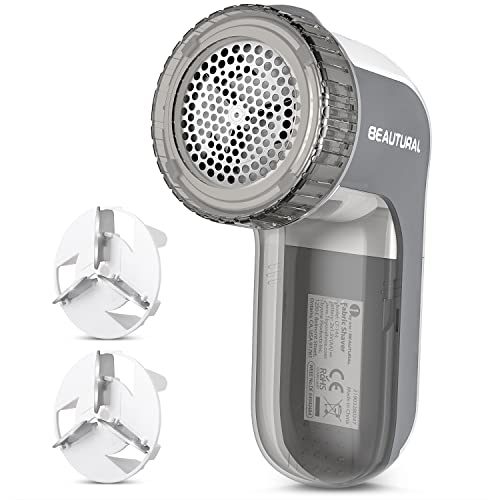
- Fabric shaver for upholstery couch sofa
- Upholstery fabric pilling remover for sofa
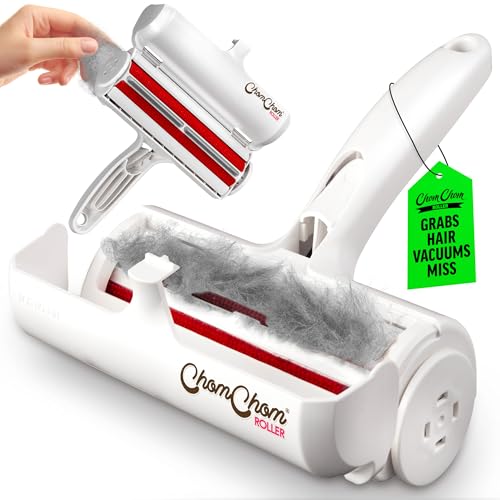
- Lint roller for sofa upholstery fabric
- Soft brush or microfiber cloth
<liSmall scissors or seam ripper (optional, for loose threads)
<liFabric-safe upholstery cleaner (optional for spot cleaning)

Before You Start
Assess the couch fabric type and warranty guidelines before using any device. Delicate materials such as velvet, suede, or microfibers may require low settings or professional care. Always test any tool on an inconspicuous area first to avoid shine or snagging. Avoid over-saturating fabrics with cleaners and work in a well-lit area to catch all pills. Plan a time block of about 20–40 minutes per seating area, depending on pill density.
Step-By-Step: How To Remove Pills From Couch Upholstery
- Set the fabric shaver to the lowest setting and test on a hidden corner of the couch to ensure no fabric damage.
- Gently run the fabric shaver for upholstery couch sofa across the fabric in smooth, even passes, lifting away pills without pressing hard into the fibers.
- Position the lint roller for sofa upholstery fabric nearby and roll over the area to pick up loose fibers and small pills that loosen during shaving.
- Use a soft brush or microfiber cloth to blend the shaved areas, going with the nap of the fabric to avoid new pills forming.
- If pills persist, switch to the upholstery fabric pilling remover for sofa and follow the device’s instructions, working in small sections.
- Spot-clean any residual spots with a mild, fabric-safe cleaner on a clean cloth, then blot—do not rub—to avoid fiber damage.
- Brush again lightly to restore the fabric’s texture, then inspect from multiple angles to ensure a uniform surface.
- Repeat the above steps every few weeks as needed to maintain a pill-free appearance, especially in high-use areas.
- Store tools safely after use and keep them away from children or pets when not in use to prevent accidental damage.
- For persistent pills near seams or in delicate fabrics, consider professional cleaning or a fabric specialist’s guidance.
Troubleshooting
| Symptom | Likely Cause | Fix | Prevention |
|---|---|---|---|
| Pills return quickly after shaving | Overworked fibers or high friction | Use shorter passes and lower settings; avoid pressing | Schedule gentler maintenance; rotate cushions |
| Fabric darkens after cleaning | Moisture absorption | Blot dry promptly; use minimal cleaner | Test cleaner first; use clean, damp cloths |
| Shaver snagged on weave | Too aggressive speed or dull blade | Sharpen or replace blade; reduce speed | Keep blades clean; floss fibers gently |
| Shaver leaves shine or fuzz | Fabric type sensitive to friction | Switch to lower setting; limit contact time | Alternate tools; follow fabric care label |
Common Mistakes
- Using high heat or aggressive settings on delicate fabrics
- Overlapping strokes that create uneven patches
- Rubbing pills back into the fabric with a rough cloth
- Ignoring fabric care labels and warranty restrictions
- Not testing tools on a hidden area first
Tips For Best Results
- Work in a bright, well-lit space to spot all pills and fibers.
- Combine tools: start with a lint roller, then use the fabric shaver, followed by a pilling remover if needed.
- Use the fabric nap as your guide when shaving to avoid creating new pills with cut fibers.
- Regular maintenance can prevent heavy pill buildup; consider a light pass every few weeks.
- Store tools in a protective case to keep blades sharp and ready for the next session.
Call A Professional
Consider a professional upholsterer or fabric specialist if:
- The couch uses luxury or delicate fabrics (silk blends, high-end velvets) that are prone to damage.
- Pills accumulate densely in hard-to-reach areas like cushions seams or near the armrests.
- There are stains, odors, or structural issues affecting fabric integrity.
FAQ
How often should I remove pills from a couch?
Regular maintenance every few weeks helps keep upholstery looking fresh, especially in high-traffic areas.
Can I use a fabric shaver on all couch fabrics?
No. Always check the fabric care label and test on a hidden area before shaving.
Is a lint roller enough to remove pills?
A lint roller helps with surface fibers but is typically not sufficient for heavier pills, which may require a fabric shaver or remover tool.
What should I do if pills return after cleaning?
Consider alternate materials or a different tool setting, and assess the fabric’s fiber content for wear. If pills persist, professional care may be best.
Buying Guide
When selecting tools to manage couch pills, consider size, noise, energy efficiency, and ease of use. A fabric shaver for upholstery couch sofa should offer multiple blade guards and adjustable speed, with a soft grip for comfortable handling. An upholstery fabric pilling remover for sofa is useful for stubborn pills near seams and edges, but ensure it’s suited for your fabric type to avoid snags. A lint roller for sofa upholstery fabric is a convenient quick-fix for loose fibers and surface lint. Look for models with replaceable blades, simple cleaning, and good safety features. For placement, store devices near the cleaning area—cushion covers, under the sofa, or in a dedicated cleaning kit. Compare options by user reviews, warranty, and compatibility with your couch fabric, ensuring you can maintain a smooth, pill-free surface over time.
Leave a Reply