How to Get Rid of Pilling on Couch
Pilling on upholstered furniture is common but manageable. With the right tools and a careful approach, owners can refresh their couch fabric without damage. This guide outlines practical steps using popular fabrics shavers and pill removers designed for sofas and chairs.
Quick Answer
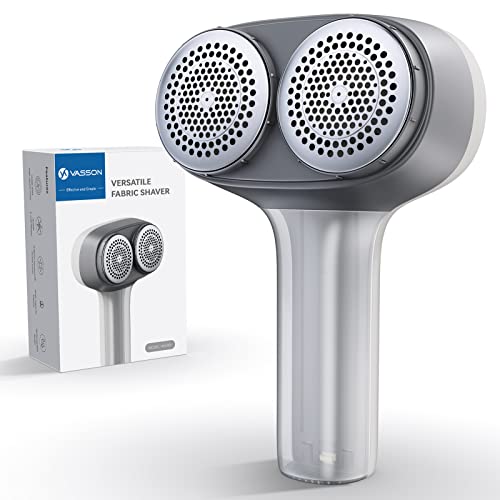
For most couches, start with a electric fabric shaver for upholstery sofa to remove pills, then finish with a handheld upholstery pill remover for sofa fabric for delicate areas. Work gently in small sections, regularly clearing the lint, and test on a hidden area first to ensure colorfastness.
What You’ll Need
- Electric fabric shaver for upholstery sofa
- Upholstery pill remover for sofa fabric
- Furniture fabric depiller defuzzer for couch
- Soft brush or lint roller
- Masking tape or fabric-safe patch (for snag-prone areas)
- Clean, dry cloth for blotting

Before You Start
Prepare the space by removing cushions and placing the couch on a clean, flat surface. Test a small inconspicuous area first to verify that the fabric color does not bleed or become damaged. Charge or have fresh batteries ready for cordless devices, and adjust the shaver guard to match your fabric’s nap. Plan for a 20–40 minute session per seating area, depending on pill density and fabric type.
Step-By-Step: How To Remove Pilling On A Couch
- Lay the couch cushions aside and vacuum the surface to remove loose dust and fibers.
- Set the electric fabric shaver for upholstery sofa to a low or medium setting; test on a hidden seam.
- Gently hover the shaver over the fabric in smooth, even motions, keeping it flat to the surface to avoid gouges.
- Regularly stop to clear collected pills from the shaver head to maintain effectiveness.
- After removing the majority of pills, switch to the upholstery pill remover for sofa fabric for precision on edges, seams, and tight corners.
- Use a soft brush to lift fibers and a lint roller to collect remaining debris.
- Revisit stubborn pill clusters with short, careful passes, avoiding excessive pressure that could pull threads.
- Reassemble cushions and vacuum the entire surface again to remove any loosened particles.
- Inspect the fabric under good lighting; address any missed pills with another quick pass.
- Finish with a light, even brushing to restore the fabric’s nap and appearance.
- If any texture irregularities remain, consider repeating the process after a short rest to prevent overprocessing.
- Store tools properly and wipe down surfaces to remove residues before use.
Troubleshooting
| Symptom | Likely Cause | Fix | Prevention |
|---|---|---|---|
| Pills return after removal | New pills formed after wearing fabric | Regular maintenance sessions; lower device setting on delicate fabrics | Schedule routine de-pilling before pill density grows |
| Fabric snagging or pulling | Shaver too aggressive or fabric misaligned | Lower speed/setting; keep device flat and parallel to surface | Test on hidden area first; use patching for fragile zones |
| Color fading in test area | Excess heat or aggressive passing | Shorter passes; cooler setting | Always test before full use |
| Uneven nap after de-pilling | Uneven brushing or overworking | Even, light passes; finish with gentle brushing | Follow fabric nap direction during work |
Common Mistakes
- Using the highest setting on delicate fabrics, which can snag threads.
- Overworking the same area, causing fuzz loss or color variation.
- Ignoring hidden seams or plush edging where pills accumulate.
- Not testing on an inconspicuous spot before wide use.
Tips For Best Results
- Always brush in the direction of the fabric nap to maintain a uniform look.
- Work in natural daylight when possible to spot pills more accurately.
- Clean the shaver head frequently to prevent clogging and ensure smooth operation.
- Combine devices: use the electric shaver for bulk removal, then refine with a handheld pill remover for difficult spots.
- Consider frequency: light touch-ups every few months can extend fabric life.
Call A Professional
If the upholstery shows significant damage, loose threads, or colorfastness issues after attempting de-pilling, consult a professional upholsterer. Stop and seek help if a seam opens, if the fabric fibers snag or fray extensively, or if there are visible dye transfers during cleaning attempts.
FAQ
Can I use a fabric shaver on all couch fabrics?
Most common fabrics respond well, but delicate materials (like silk blends or boucle with loose loops) may require gentler methods or professional care.
How often should I de-pill a couch?
For high-use families, every 3–6 months is typical; for lighter use, 6–12 months may suffice.
Will using a de-piller ruin my fabric?
When used correctly on appropriate fabrics, de-pillers refresh the surface without removing fibers or causing damage.
Should I remove cushions during de-pilling?
Yes, remove cushions to access all fabric surfaces and to prevent longer sessions that could heat or fatigue cushions.
Buying Guide
Choosing the right de-pilling tools depends on couch fabric, pill density, and budget. Consider these factors to optimize results:
- Size and coverage: Handheld devices are ideal for sofas; larger, cordless models cover wider areas efficiently.
- Noise level: Quieter devices are preferable in living rooms and near sleeping areas.
- Energy efficiency: Battery life matters for cordless shavers; look for longer run times and quick charging.
- Controls: Adjustable settings help tailor operation to fabric type and pill density.
- Placement: A stable work surface and accessible storage keep tools ready for regular upkeep.
When comparing models, read user reviews for real-world performance and check fabric compatibility notes. A combination approach—electric fabric shaver plus a precision pill remover—often delivers the best balance of speed and safety for most American couches.
Leave a Reply