How to Get Rid of Pet Odor on Couch
Pet odors on couches are common and persistent, especially with frequent lounging, drool, accidents, and fur. A practical approach combines immediate cleaning with odor-neutralizing treatments and preventive habits. This guide offers a clear, step-by-step process using household tools and targeted products to restore freshness to fabric upholstery.
Quick Answer
Act quickly after spills or accidents. Blot with a clean cloth, apply an enzymatic cleaner for pet urine on sofa upholstery fabric, then follow with a pet odor eliminator spray for sofa and couch upholstery. For tough spots, use a portable upholstery cleaner machine for pet stains on couch. Repeat as needed and ventilate the room.
What You’ll Need
- Enzymatic cleaner for pet urine on sofa upholstery fabric
- Pet odor eliminator spray for sofa and couch upholstery
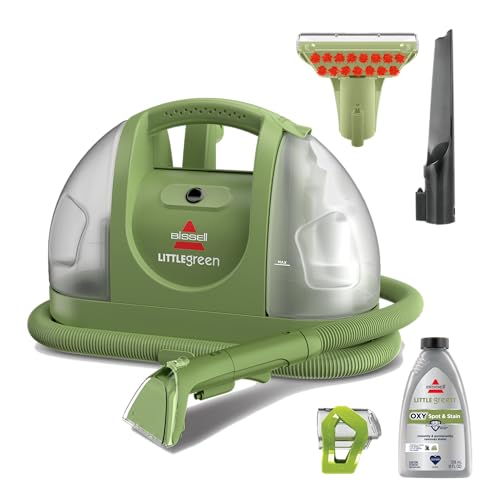
- Portable upholstery cleaner machine for pet stains on couch
- Clean cloths or paper towels
- Soft brush or sponge
- Vacuum cleaner with upholstery attachment


Before You Start
Assess the fabric type on your couch—some fabrics are more sensitive to moisture or cleaners. Test any product in an inconspicuous area first and wait 24 hours for a color-fast check. Work in a well-ventilated area and avoid saturating the fabric, which can cause mildew or fiber damage. For sensitive pets or persistent odors, consider a longer remediation plan and professional help if needed. Safety note: keep cleaners out of reach of children and pets during the process.
Step-By-Step: How To Use Odor-Removing Techniques
- Contain and blot: If the odor is linked to a fresh accident, blot the area with a clean towel to remove as much liquid as possible without rubbing it in.
- Rinse lightly: Dampen a clean cloth with cold water and lightly dab the stained area to dilute residues without soaking the fabric.
- Apply enzymatic cleaner: Generously spray a thin layer of enzymatic cleaner for pet urine on sofa upholstery fabric according to the product instructions. Enzymes break down organic compounds that cause odors.
- Let it sit: Allow the cleaner to dwell for the recommended contact time to maximize odor neutralization, usually several minutes to a half hour.
- Blot again and softly brush: Use a clean cloth to blot away moisture. Gently brush the fibers to lift the fabric and improve absorption.
- Neutralize remaining odor with spray: Apply a pet odor eliminator spray for sofa and couch upholstery to suppress any lingering scent and leave a fresh aroma.
- Target stubborn spots with a portable cleaner: For stubborn stains, use a portable upholstery cleaner machine for pet stains on couch to lift soil and extract moisture. Follow the device’s guidance for suction and nozzling coverage.
- Air dry completely: Allow the couch to dry fully before use. Open windows or run a fan to speed up drying and prevent damp odors.
- Final check and touch-up: Once dry, inspect for any remaining odor. If needed, repeat the enzymatic cleaner application or spray again in light layers.
- Prevent future odors: Consider quick regular vacuuming and periodic deodorizing to maintain freshness between deep cleanings.
- Optional deep-clean routine: Schedule a monthly or quarterly deep clean using the portable cleaner for storms of pet-related messes or heavy traffic zones.
Troubleshooting
| Symptom | Likely Cause | Fix | Prevention |
|---|---|---|---|
| Persistent musk odor after cleaning | Undissolved organic compounds | Reapply enzymatic cleaner and let dwell longer, then rinse | Address spills promptly; use a protective cover |
| Fabrics showing water staining | Over-wetting | Blot and air-dry; use a fan to speed drying | Apply cleaners in light mist layers |
| Odor returns after a few days | Residual odor compounds | Repeat deodorizing spray and enzymatic treatment | Regular vacuuming and quick blotting of spills |
| Fabric color transfer after cleaning | Harsh cleaners | Test in a discreet area; dilute cleaner as needed | Choose fabric-safe products and follow labels |
Common Mistakes
- Over-wetting the couch, which can lead to mold or fabric distortion.
- Rushing the drying process, trapping moisture inside cushions.
- Using scented sprays directly on raw fabric, which can irritate pets or cause staining.
- Neglecting to test cleaners on a hidden area of the fabric first.
These missteps can reduce the effectiveness of odor removal and may require longer remediation times.
Tips For Best Results
- Act quickly after spills to minimize odor development and stain set.
- Ventilate the room during and after cleaning to speed odor dissipation.
- Work with the fabric’s nap (direction of the fibers) to avoid changing texture or appearance.
- Keep a routine odor-control schedule, especially for households with multiple pets or children.
- Store cleaning products safely and away from pets when not in use.
Call A Professional
Consider contacting a professional upholstery cleaner if odors persist after multiple treatments, if the couch fabric is delicate, or if there are large stained areas. Stop and seek expert help if the cushion foam shows moisture damage, if the smell is overpowering, or if any cleaning product causes skin or eye irritation in residents or pets.
FAQ
Can enzymatic cleaners be used on all couch fabrics?
Most fabrics tolerate enzymatic cleaners, but always test a hidden area first and follow manufacturer instructions.
How long does it take for a couch to dry after cleaning?
Drying times vary by fabric and climate; expect anywhere from 2 to 8 hours, or longer in humid conditions.
Is a deodorizing spray enough on its own?
Deodorizing sprays help, but for strong odors, combine with an enzymatic cleaner for deeper odor elimination.
How often should I deep-clean my couch to prevent odors?
For households with pets, a quarterly deep clean can help maintain freshness between routine cleanups.
Are portable upholstery cleaners effective for pet stains?
Yes, portable cleaners can be highly effective for spot treatment and localized stains when used with the right cleaning solutions.
Should I use hot water for cleaning?
Hot water can set stains and odors; use cool to lukewarm water and follow product instructions.
Can I air out the couch without moving cushions?
Yes, unzip and separate cushions to improve airflow and quicker drying, if fabrics allow.
Buying Guide
Choosing the right odor-removal setup depends on several factors. Consider size and configuration of your couch, the typical odor sources, and your cleaning cadence. Key buying factors include:
- Size and coverage: Ensure the enzymatic cleaner and odor eliminator are suitable for your couch type and size; larger couches may benefit from a portable upholstery cleaner machine for pet stains on couch to tackle stubborn areas.
- Noise level: If you prefer discreet cleaning, check the noise ratings of any portable cleaner and spray devices.
- Energy efficiency: For devices with motors, choose energy-efficient models to minimize power use during routine cleanings.
- Controls and ease of use: Look for simple spray, dwell, and suction options that align with your cleaning routine.
- Fabric compatibility: Verify that all cleaners are safe for your couch fabric and do not void the fabric warranty.
- Placement and storage: Consider where you’ll store cleaners and how easy it is to access them for quick cleanup.
When comparing products, think about the typical odor scenarios—accidents, pet urine, or daily dander—and how often you plan to clean. A combination approach, using an enzymatic cleaner for pet urine on sofa upholstery fabric and a dedicated odor eliminator spray for sofa and couch upholstery, often yields the best balance of effectiveness and convenience.
Leave a Reply