How to Get Rid of Pet Hair in Laundry
Pet hair on laundry is a common nuisance for households with cats or dogs. With the right strategies and simple tools, you can reduce lingering hair in your clothes, towels, and sheets. This guide explains practical steps, safety notes, and easy-to-use gadgets to keep fabrics hair-free after every wash.
Below you’ll find a quick, actionable overview and a complete how-to tailored for American households seeking effective solutions without expensive equipment or frequent rewashing.
Quick Answer
Choose a multi-step approach combining pre-wash hair removal, washing aids, and post-wash checks. Use a silicone pet hair catcher for washing machines to stop hair from circulating, supplement with microfiber laundry balls to lift hair, and finish with a lint catcher wash bag for pet hair in clothes washing to trap anything that slips through.
What You’ll Need
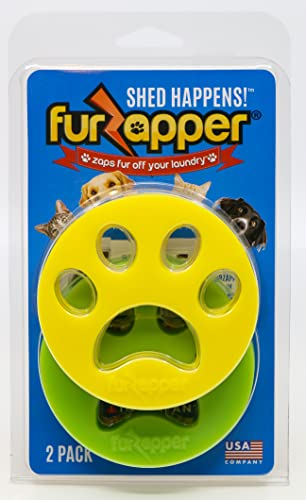
- Silicone pet hair catcher for washing machine
- Microfiber laundry balls to remove pet hair from laundry
- Lint catcher wash bag for pet hair in clothes washing


Before You Start
Before washing, brush or vacuum fabrics to remove as much hair as possible. Run an empty cycle with hot water and a cup of white vinegar to loosen hair on older machines, then proceed with a regular load. Keep pets out of the laundry area during cycles to prevent introduced hair. Time estimates vary by load size, but plan 45–90 minutes for a thorough hair-removal routine.
Step-By-Step: How To Get Rid Of Pet Hair In Laundry
- Pre-treat heavily hair-covered items with a lint roller or damp cloth to lift hair before washing.
- Place clothes into the washing machine and insert a silicone pet hair catcher for washing machine in the drain path or agitator slot as directed by the product.
- Load a microfiber laundry ball to help attract and trap hair during the wash cycle.
- Add an appropriate amount of detergent and a practical amount of fabric softener if desired to help release hair from fibers.
- Run an initial wash cycle on warm water to loosen hair, then a second rinse to flush away loosened fibers.
- Check the lint catcher wash bag for collected hair after the cycle and rinse it if needed before the next load.
- Dry items promptly in a dryer with clean lint screens or, if air-drying, shake out hair and run a post-wash lint roller over fabrics.
- For stubborn hair, rerun a short cold rinse with the lint catcher wash bag in place.
- Repeat steps for subsequent loads that involve pet-friendly fabrics or high hair exposure.
- Clean the washing machine’s gasket and drum edge periodically to remove residual hair buildup.
- Store hair-removal tools in a designated area so they’re ready for the next wash cycle.
- Consider using a pet-hair friendly detergent or additive if hair sticks to fibers persistently.
Troubleshooting
| Symptom | Likely Cause | Fix | Prevention |
|---|---|---|---|
| Hair still present after wash | Insufficient pre-cleaning | Pre-treat and run an extra rinse with lint catcher bag | Brush pets before laundry |
| Hair in dryer lint screen | Hair didn’t release in wash | Run an additional wash with hair-catcher tools | Use microfiber balls in every load |
| Fabrics feel stiff | Overuse of detergent or dryer static | Reduce detergent, add fabric softener, air-dry when possible | Separate heavy hair loads from light ones |
| Gasket hair buildup | Hair accumulates around door seal | Wipe regularly with damp cloth; run monthly clean cycle | Remove pet hair from clothes before washing |
Common Mistakes
- Skipping pre-cleaning and relying solely on the wash cycle
- Using too little detergent or no lint-catching accessories
- Ignoring dryer lint screens and machine gaskets
- Overloading the washer, which reduces agitation and hair removal
Addressing these missteps can dramatically improve results and reduce rewash frequency.
Tips For Best Results
- Run a dedicated pre-wash cycle with hair-removal tools on hair-heavy items
- Pair silicone pet hair catchers with microfiber balls for layered hair capture
- Always remove pets from the laundry area during cycles to prevent new hair shedding
- Regularly clean lint screens, gaskets, and the drum to maintain efficiency
- Sort fabrics by hair exposure level to maximize hair removal efficiency
Call A Professional
In most homes, pet-hair challenges are manageable with routine maintenance. If you notice persistent odor, mildewy smells, or visible mold around the washer or dryer, contact a professional appliance technician. Seek expert help if the washer’s performance declines after repeated use of hair-removal tools or if lint buildup becomes excessive.
FAQ
What is the best tool to remove pet hair from laundry?
Using a silicone pet hair catcher for washing machine in combination with microfiber laundry balls provides a two-layer approach to capture hair at different stages of the wash.
Can I wash pet hair removal tools with clothes?
Yes, most tools are designed to be durable in wash cycles, but check product instructions for any restrictions.
Do I need to pre-treat every load with hair-removal methods?
Pre-treatment is most helpful for items with high hair exposure, such as pet blankets or fleece, but can benefit all loads.
How can I prevent pet hair from returning after washing?
Brush pets regularly, clean lint screens frequently, and maintain the use of hair-removal tools in every laundry cycle.
Buying Guide
When choosing pet-hair removal tools for laundry, consider size, compatibility with your washer, ease of use, and durability. Look for silicone pet hair catcher designs that fit standard drum openings, microfiber laundry balls that can be reused across loads, and lint catcher wash bags that are easy to dry and clean. Noise level and energy efficiency are moderate concerns here but plan for tools that minimize rewash cycles and reduce wear on fabrics. Placement matters: install catchers in the drum path, place laundry balls directly with clothes, and position lint bags where they can easily be retrieved after a cycle. Compare options based on how well they capture hair on common fabrics like cotton, fleece, and towels, and choose bundles that cover the full spectrum of hair-removal needs. Would you benefit from a compact setup for small spaces or a full kit for larger households with multiple shedding pets?
Leave a Reply