How to Get Rid of Pesticides From Produce
Many American households want to minimize pesticide exposure from fresh fruits and vegetables. This guide provides practical, step-by-step methods using common tools to reduce residues safely. It emphasizes scientifically supported practices, practical routines, and safety considerations to help you enjoy cleaner produce without excessive effort.
Quick Answer
Rinse under cold running water for 20–30 seconds per item, using a soft brush for firm produce. Consider a produce wash spray bottle for pesticides for optional surface cleaning, and use a pesticide residue test kit for produce to verify reductions on a few test items. Always dry with a clean towel to minimize residual moisture that can harbor contaminants.
What You’ll Need
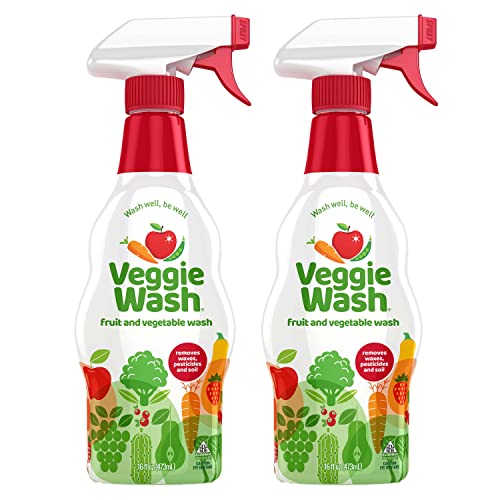
- Produce wash spray bottle for pesticides
- Vegetable fruit cleaning brush
- Pesticide residue test kit for produce


Before You Start
Before washing, separate produce from the rest of the shopping on a clean surface. Remove any damaged leaves or bruised areas where residues may concentrate. Time estimates vary: quick rinsing takes a few minutes per batch; a thorough wash with brushing may add 5–10 minutes per load. Safety note: wash hands before handling produce and avoid cross-contamination with raw meats or dirty countertops. If a family member has sensitive skin, consider wearing gloves during washing.
Step-By-Step: How To Use A Produce Wash And Brush
- Set up your station with a clean sink, ventilation, and the produce wash spray bottle for pesticides filled with the manufacturer’s recommended cleaning solution or clean water as directed.
- Rinse each item under cold running water to remove surface dust and soil.
- For firm produce like apples, cucumbers, or peppers, use the vegetable fruit cleaning brush to gently scrub all surfaces.
- Spray the surface with the produce wash spray bottle for pesticides, focusing on areas with visible residue or crevices where pesticides can accumulate.
- Rinse again under cold water to remove loosened residues and any cleaning solution.
- Inspect the produce and repeat brushing or spraying on visibly stained items if needed.
- Pat dry with a clean towel to reduce moisture where mold and bacteria can grow.
- If using a test kit, follow the kit instructions to perform a residue check on a sample portion of produce to gauge effectiveness.
- Store washed items in clean containers or breathable produce bags to maintain cleanliness until use.
- Document any notable residue reductions and adjust future washing routines if needed.
- Dispose of any leftover wash solution according to local guidelines and wash tools thoroughly.
- Repeat the process as part of a routine, especially for produce with thicker skins or known pesticide use.
Troubleshooting
| Symptom | Likely Cause | Fix | Prevention |
|---|---|---|---|
| Visible film after washing | Inadequate rinsing | Rinse items again under running water | Rinse thoroughly, especially after spraying |
| Unchanged residue on test | Low efficacy of cleaning method | Increase brushing time and ensure coverage | Rotate cleaning methods, use fresh water |
| Produce browning after wash | Wet storage or over-wetting | Dry promptly with clean towel | Dry items before storage |
| Soapy taste after rinsing | Too much cleaning solution | Use less spray and rinse thoroughly | Follow product instructions |
Common Mistakes
- Over-reliance on sprays without sufficient rinsing
- Brushing too hard, causing bruising on delicate produce
- Ignoring storage and cross-contamination risks
- Skipping residue checks on certain items
Regular practice with proper rinsing and brushing can reduce residues more effectively than skipping steps. Keep tools clean after each use and sanitize the workspace to maintain hygiene.
Tips For Best Results
- Choose a pesticide residue test kit for produce to verify effectiveness on a few test items and adjust routine accordingly.
- Use cold water whenever possible to help keep produce crisp and reduce residue adhesion.
- Brush soft-skinned produce gently to avoid damage while still removing residues.
- Rinse and dry promptly to prevent microbial growth on damp surfaces.
- Store washed produce in breathable containers to maintain freshness and safety.
Call A Professional
Consult a professional if you notice unusual contamination, persistent residues after multiple cleanings, or if you handle high-risk produce for vulnerable populations (elderly, pregnant individuals, young children). Seek guidance from a food safety expert or local extension service if you have concerns about pesticide exposure or cleaning methods.
FAQ
Is rinsing alone enough to remove pesticides?
Rinsing with cold water reduces residues but may not remove all pesticides. Combining gentle brushing and occasional use of a produce wash helps improve results.
Can I use dish soap to clean produce?
Dish soap is not recommended for produce; it can leave residues and flavor changes. Use products designed for produce cleaning or thorough rinsing with water.
How often should I test produce for residues?
Testing can be useful for transparency and learning, but routine cleaning does not require frequent testing. Use a test kit when you suspect heavy pesticide use or after a new cleaning method.
Are these methods effective for all types of produce?
Most methods work for a wide range of fruits and vegetables. Delicate items may require gentler brushing and shorter spray times, while sturdy items benefit from more thorough brushing.
What storage helps maintain cleanliness after washing?
Store washed produce in clean, breathable containers or bags and keep refrigerated as appropriate for each item.
Buying Guide
Choosing the right tools to reduce pesticide exposure involves considering several factors. Size matters for countertop convenience and storage space. Noise level matters if you wash in a kitchen near living areas. Energy efficiency matters less for manual cleaning but is relevant for powered washing tools. Look for controls that are intuitive and durable. Placement should minimize cross-contamination with raw meats and other cleaning tasks. When comparing options, consider whether a produce wash spray bottle for pesticides and a vegetable fruit cleaning brush are included in a bundled kit, and verify that a pesticide residue test kit for produce is compatible with your preferred testing approach. For households with sensitive skin or allergies, choose non-irritant formulations and easy-to-clean tools. Finally, assess the overall durability and ease of cleaning to ensure long-term use across seasons.
Leave a Reply