How to Remove Permanent Marker Stains Effectively
Permanent marker stains can appear on a range of surfaces, from walls to furniture and fabrics. The right combination of products and techniques can restore the original look without harming the surface. This guide focuses on practical, at-home methods using commonly available items.
Quick Answer
Start with a gentle cleaner and test first in an inconspicuous area. For most surfaces, a stain remover spray designed for permanent markers, a magic eraser sponge, or an isopropyl alcohol pen can lift the stain. Always blot rather than rub to avoid spreading the marker, and finish with a clear water rinse or soap and water to remove residue.
What You’ll Need
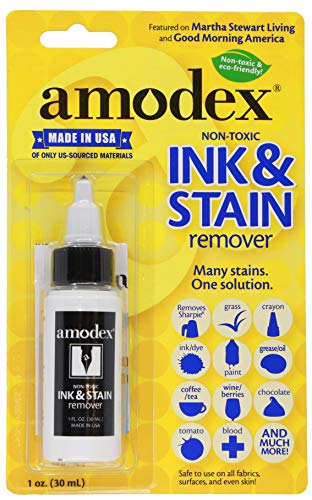
- Permanent marker stain remover spray
- Magic eraser sponge for permanent marker
- Isopropyl alcohol ink remover pen
- Soft cloths or cotton pads
- Water and mild dish soap


Before You Start
Before treating a stain, identify the surface type to prevent damage. Porous surfaces (like unsealed wood or fabric) may absorb ink more deeply, requiring gentler approaches and more time. Always perform a small test in an inconspicuous area and wear gloves to protect your skin. Allow the surface to dry between attempts, especially on delicate finishes. Important: avoid spraying household cleaners directly onto electronic screens or fabric dyes that could bleed. Estimate 10–30 minutes per attempt, depending on the surface and stain severity.
Step-By-Step: How To Remove Permanent Marker Stains
- Blot the stain with a dry cloth to remove excess ink; avoid rubbing, which can spread the mark.
- Apply a small amount of permanent marker stain remover spray to a clean cloth and dab onto the stain; let it sit for 1–2 minutes.
- Gently rub the area with the cloth in a circular motion, applying light pressure until the stain loosens.
- If the stain persists, dampen a new cloth with isopropyl alcohol and apply over the area, blotting rather than rubbing.
- For hard surfaces, use a magic eraser sponge lightly dampened with water and wipe the stain in short, gentle strokes.
- Rinse the treated area with clean water to remove cleaner residues; pat dry with a dry towel.
- If needed, repeat steps 2–3 using a different product to avoid overexposure to any single chemical.
- On fabrics, test a hidden corner with any solvent first, then proceed carefully; launder as recommended after treatment if the fabric care instructions permit.
- Allow the surface to air dry completely and inspect for any residual staining; repeat treatment if necessary in small increments.
- For stubborn stains, consider a combination approach: start with the stain remover spray, then finish with a gentle alcohol dab if the fabric or surface tolerates it.
- Always follow manufacturer instructions on product labels and use ventilation when applying solvents.
Troubleshooting
| Symptom | Likely Cause | Fix | Prevention |
|---|---|---|---|
| Stain remains after first pass | Ink penetrates into porous material | Reapply cleaner, allow to dwell, and repeat | Test a small area first; use gentle pressure |
| Discoloration or fading | Surface reacts to cleaner | Switch to a milder method (water and soap); stop using harsh solvents | Always test before extensive use |
| Finish damage on glossy surfaces | Excess rubbing with abrasive sponge | Switch to lighter dab-and-blot technique | Limit contact time; use a protective coat after |
| Residue after cleaning | Product leave-behind | Rinse with clean water and dry | White cloth test during cleaning |
Common Mistakes
- Rubbing the stain aggressively, which spreads the ink
- Using hot water or heat on ink-penetrated fabrics
- Overusing solvents on delicate surfaces or electronics
- Skipping a patch test, leading to unexpected surface damage
Tips For Best Results
- Always start with the mildest method and progress to stronger cleaners only if needed
- Work from the outside in to prevent spreading the ink
- Work in a well-ventilated area and wear gloves when using solvents
- Keep a damp cloth nearby to rinse away residues promptly
- Consider using a protective sealant on surfaces after successful removal to resist future stains
Call A Professional
Seek professional help if stains cover large areas, involve valuable or antique materials, or if the surface shows signs of damage after initial attempts. Stop attempts if the area swells, warps, or the finish becomes uneven. For fabrics with delicate dyes, professional cleaning can prevent further color loss or fabric damage.
FAQ
Can I use isopropyl alcohol on all surfaces?
Isopropyl alcohol is effective on many hard surfaces but can damage certain plastics, dyes, or finishes. Always test a hidden area first.
Will permanent marker stains come back after cleaning?
Residual ink can reappear if the surface has absorbed dye; ensure complete drying and consider a protective sealant if appropriate.
Do I need to wash the item after using cleaners?
Yes, rinse with clean water or mild soap to remove cleaner residues and blot dry.
Is heat safe for drying after stain removal?
Heat can set some inks on porous materials; air dry or use a cool setting on a dryer if the fabric care label allows.
Buying Guide
When choosing products to remove permanent marker stains, consider size, surface compatibility, and ease of use. Key buying factors include:
- Size and coverage: Choose products that match the scale of stains you encounter—smaller pen-style options for touch-ups and spray or sponge-based solutions for larger areas.
- Surface compatibility: Ensure the product is safe for your surface type (walls, wood, fabric, plastics, metal).
- Performance and quick-dwell time: Look for fast-acting formulas with clear dwell times on the label.
- Safety and odor: Favor low-odor formulas and child-safe packaging where appropriate.
- Application method: Choose convenient options—sprays, sponges, or pens—based on user preference and stain location.
- Maintenance and reusability: Consider products that remain effective after repeated use and are easy to store.
Common scenarios include cleaning painted walls, plastic containers, fabric cushions, or wood furniture. Are you cleaning a high-traffic area or a delicate surface? Prioritize gentler products for fragile materials. Do you plan to clean multiple rooms? A combination of a spray cleaner and a magic eraser often covers most needs. By selecting the right tools and following proper steps, permanent marker stains can become a minor hassle rather than a major chore.
Leave a Reply