How to Get Rid of Bad Breath From Periodontal Causes
Persistent bad breath can stem from periodontal issues, which require a practical, multi‑faceted approach. This guide covers simple daily routines, safe tools, and when to seek professional care to improve oral freshness and gum health.
By combining targeted hygiene practices with carefully chosen devices, readers can address plaque buildup, tongue coating, and other contributors to bad breath. The focus is on actionable steps suitable for American households and compatible with common dental care routines.
Quick Answer
Target the source by reducing plaque and tongue bacteria. Use an electric toothbrush designed for plaque removal, a stainless steel tongue scraper, and a water flosser to clean between teeth and along the gumline. Maintain regular brushing, flossing, and hydration for best results.
What You’ll Need
- Electric toothbrush for bad breath plaque removal — helps disrupt biofilm and whitened enamel surfaces.
- Tongue scraper stainless steel — removes coating that harbors odor-causing microbes.
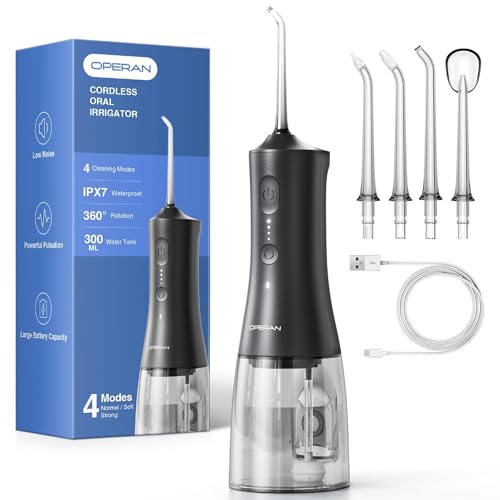
- Water flosser for bad breath and plaque removal — flushes debris from between teeth and under gum margins.
- Standard fluoride toothpaste and mouthwash (optional)
- Mirror and timer to maintain technique and duration


Before You Start
Before beginning a new oral care routine, understand your mouth is unique. If you have active gum disease, multiple missing teeth, or frequent halitosis despite good hygiene, consult a dentist. Safety cautions: avoid aggressive brushing, do not share devices, and replace tools that show wear. Plan for a two‑to‑six week period to evaluate improvements, with ongoing daily practice for lasting results.
Step-By-Step: How To Eliminate Periodontal Bad Breath
- Prepare your routine: gather an electric toothbrush, tongue scraper, water flosser, and mouth rinse if used.
- Brush twice daily with the electric toothbrush, aiming for two minutes per session and covering all surfaces, including the gumline.
- Use a small amount of fluoride toothpaste and execute gentle circular strokes to avoid gum irritation.
- Clean the tongue with the stainless steel tongue scraper, starting at the back and moving forward with light pressure.
- Utilize the water flosser around each tooth and at the gumline to remove plaque and debris that brushing misses.
- Rinse thoroughly with water or mouthwash after flossing and brushing for a refreshed feel.
- Stay hydrated and limit high‑sugar snacks that encourage bacterial growth in the mouth.
- Record your results weekly: note breath freshness, gum status, and any sensitivity changes.
- Maintain professional care: schedule dental cleanings as recommended by a clinician.
- Adjust technique based on comfort, ensuring no gum bleeding or irritation during steps.
- Replace worn devices promptly to preserve cleaning effectiveness and safety.
Troubleshooting
| Symptom | Likely Cause | Fix | Prevention |
|---|---|---|---|
| Breath remains foul after brushing | Persistent tongue coating or inflamed gums | Scrape tongue daily; evaluate gum health with a dentist | Consistent routine, mouthwash as advised |
| Bleeding gums during brushing | Gum irritation or periodontal disease | Reduce force, use soft brush, consult dentist | Gentle brushing technique, regular checkups |
| Discomfort with water flosser | Too high pressure or improper angle | Lower pressure, angle toward tooth surfaces, pause between teeth | Follow device instructions |
| Tongue scraper leaves residue | Overly thick coating | Scrape twice daily and rinse scraper between uses | Hydration and diet adjustments |
Common Mistakes
- Skipping tongue cleaning, which lets odor‑causing bacteria accumulate.
- Overly aggressive brushing that damages gums and worsens sensitivity.
- Relying on mouthwash alone without mechanical cleaning.
- Not replacing devices when they show wear or reduced effectiveness.
Tips For Best Results
- Pair devices with routine dental visits every six months for professional cleaning and assessment.
- Use a timer or smart toothbrush app to ensure full two‑minute sessions.
- Hydration matters; drink water throughout the day to maintain saliva flow.
- Keep a daily log of breath freshness and gum health to track progress.
Call A Professional
Seek a professional if any of the following occur: persistent bad breath despite consistent hygiene, gum bleeding or swelling, loosening teeth, or recurrent mouth ulcers. A clinician can diagnose periodontal disease, rule out systemic conditions, and tailor a care plan that may include antibiotics, deep cleanings, or periodontal therapy.
FAQ
Is bad breath a sign of periodontal disease?
Yes, if accompanied by gum inflammation, bleeding, or pocketing, it may indicate periodontal issues that require dental evaluation.
How often should I replace a tongue scraper?
Replace when the edge wears or shows signs of corrosion or dullness to maintain effective cleaning.
Can a water flosser replace traditional flossing?
Not entirely; use a water flosser as a supplement to flossing, especially for hard‑to‑reach spaces.
Will mouthwash solve bad breath long term?
Mouthwash improves odor temporarily; lasting results come from mechanical cleaning and addressing underlying gum health.
How long before I see results?
Most people notice improvements within two to six weeks with consistent routines.
Should I avoid certain foods?
Reducing sulfur‑producing foods and staying hydrated can help reduce odor, but dietary choices vary by person.
Is professional treatment always needed?
If symptoms persist despite home care, a professional evaluation is recommended to rule out deeper periodontal problems.
Buying Guide
Choosing the right tools for tackling periodontal bad breath involves several factors. Size and design should fit your mouth comfortably, and noise level matters for comfort during routine use. Energy efficiency is relevant for battery‑powered devices like electric toothbrushes and water flossers. Look for adjustable controls to tailor intensity and pressure, and consider placement options in your bathroom for easy access during daily care. When comparing models, prioritize built‑in timers, compatibility with replacement heads, and ease of cleaning. A balanced kit that includes an electric toothbrush, a stainless steel tongue scraper, and a water flosser provides comprehensive coverage for plaque removal and tongue cleaning, addressing the primary contributors to bad breath. Always align device choices with your dentist’s recommendations and your personal preferences to sustain regular usage.
Leave a Reply