How to Get Rid of Pee Stains on a Couch
Pee stains on a couch can be stubborn, especially on fabric like microfiber. Quick action helps prevent set-in odors and discoloration. This guide provides practical steps, commonly available cleaners, and best practices to restore upholstery while keeping your home fresh and comfortable.
Quick Answer
Act fast with an enzyme-based cleaner designed for pet urine on fabric. Blot the area, apply the cleaner evenly, let it dwell, then blot again and allow to air dry. For persistent stains, repeat the treatment or follow with a complementary upholstery stain remover spray targeting urine on fabric sofas. Drying from the outside in reduces odor risk.
What You’ll Need
- Enzyme upholstery cleaner for pet urine couch microfiber 24oz spray
- Pet urine remover for sofa fabric enzyme cleaner 32 oz
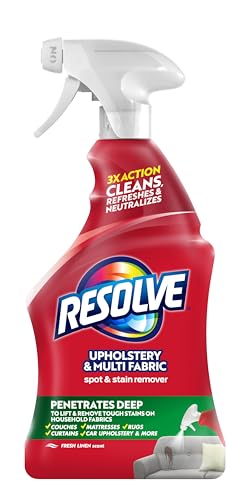
- Upholstery stain remover spray for urine on fabric sofa microfiber


Before You Start
Before treating the stain, check the couch’s care tag and test cleaners on a hidden area to avoid color fading. Wear gloves and ensure good ventilation. Blot excess liquid gently with a clean cloth to prevent pushing urine deeper. Work from the outside of the stain toward the center to avoid spreading. Have a timer handy—enzyme cleaners often require a 5–15 minute dwell time, while some sprays need longer for deep fibers.
Step-By-Step: How To Get Rid Of Pee Stains On A Couch
- Locate the stain and gently blot with a dry cloth to remove surface moisture without rubbing.
- Apply a small amount of the enzyme upholstery cleaner for pet urine on microfiber to the affected area, following the product instructions.
- Work the cleaner into the fabric using a soft brush or cloth, focusing on stained fibers but avoiding oversaturation.
- Let the cleaner dwell for the recommended time to break down uric acid and odor molecules.
- Blot again with a clean, dry cloth to remove moisture and lifted residues.
- If odors persist, repeat the enzyme treatment or follow with the pet urine remover for sofa fabric enzyme cleaner as an additional step.
- Rinse lightly if the product instructions call for it, using a damp cloth to remove any residue, then blot dry.
- Allow the cushion to air dry completely before use, ideally with good air circulation or a fan directed at the area.
Troubleshooting
| Symptom | Likely Cause | Fix | Prevention |
|---|---|---|---|
| Persistent stain after first treatment | Deep-set stain or insufficient dwell time | Repeat enzyme cleaner treatment or apply a second specialized urine remover | Address promptly; blot thoroughly before treatment |
| Fading or color change | Over-wetting or harsh cleaners | Test on hidden area; use minimal product per application | Follow care tag and dilution guidelines |
| Strong odor remains | Residual odor molecules not fully broken down | Use a second enzymatic product and ensure complete drying | Ventilate well during and after treatment |
| Stiff or crunchy fabric after drying | Excess moisture or soap residue | Gently wipe with a damp cloth to remove residue and air dry | Avoid saturating fabric in future treatments |
Common Mistakes
- Using regular household cleaners not designed for urine can leave residues and odors
- Rubbing aggressively, which can push urine deeper into fibers
- Over-wetting the fabric, leading to mildew or slower drying
- Skipping a test patch on a hidden area, risking color loss or damage
These missteps are common but avoidable with careful prep and following product instructions. The right enzyme cleaners target urine enzymes and help neutralize odors at the source when used correctly.
Tips For Best Results
- Always perform a patch test on a hidden corner of the fabric before full application.
- Work from the outside in to prevent spreading the stain.
- Use clean, white cloths to avoid transferring colors during blotting.
- After treatment, place the couch cushions in a sunny, well-ventilated area if possible to speed up drying.
- Consider using a fabric-safe deodorizer once the area is dry to maintain freshness.
Call A Professional
Seek professional help if the stain covers a large area, the odor persists after multiple attempts, or the fabric shows signs of damage such as fading, shrinking, or pilling. If the couch is leather, silk, or another delicate material, a professional upholstery cleaner is recommended due to material-specific chemistry and risk of damage.
FAQ
Can I use any enzyme cleaner for pet urine on microfiber?
Choose a product labeled for pet urine on fabric and microfiber to ensure compatibility and effective stain removal.
Should I use hot water to rinse the area?
Avoid hot water; it can set the stain. Use cool or lukewarm water and blot thoroughly.
How long does it take for the stain to disappear?
Drying time varies by fabric and environment; typically several hours for complete drying, with odors reduced after the enzymatic treatment.
Will the stain return after cleaning?
Untreated urine can cause recurring odor; ensure complete drying and consider a follow-up treatment if needed.
Is it safer to use a spray or a foam cleaner?
Both can be effective; follow the product’s application method and test guidelines for your couch fabric.
Buying Guide
Choosing the right products and approach for removing urine stains from a couch involves several factors. Size and scope matter—smaller stains respond quickly to a targeted spray, while larger areas may benefit from a larger, enzyme-based cleaner. Noise level and energy efficiency are less relevant for cleaning steps but may apply to any machine-assisted drying aids or vacuums used afterward.
Key buying factors include:
- Size and concentration: 24 oz spray vs 32 oz larger concentrates; consider stain severity and furniture area.
- Odor control: Enzyme cleaners designed to neutralize urine odors are preferred over simple cleaners.
- Fabric compatibility: Microfiber-specific products prevent color bleeding and fiber damage.
- Application method: Sprays offer easy spot treatment; foams or gels can cover larger areas evenly.
- Drying time: Fast-drying formulas reduce downtime and mold risk.
- Safety and certifications: Look for products with child- and pet-safe labels and dermatological testing where available.
- Placement needs: Consider whether you can ventilate the room and place fans or deodorizers nearby to speed drying.
- Multi-surface use: If stain-prone areas include multiple fabrics, an all-fabric solution minimizes product variety.
In practice, pairing an enzyme upholstery cleaner for pet urine on couch microfiber with a dedicated urine remover for sofa fabric can provide a robust strategy. Always follow care tags and test patches first to protect fabric integrity and color.
Leave a Reply