How to Get Rid of Pee Smell on Couch
Persistent pet urine odors on upholstered furniture can be stubborn. This guide outlines practical, step-by-step methods that rely on enzyme-based cleaners and proven odor-elimination techniques. By following the steps, homeowners can restore freshness to sofas, cushions, and other fabric surfaces without resorting to harsh chemicals.
Quick Answer
Act quickly, blot the area to remove moisture, use an enzymatic cleaner designed for pet urine on upholstery, and allow thorough drying. Reapply as needed and protect the area with fabric-safe deodorizers to prevent reodorization.
What You’ll Need
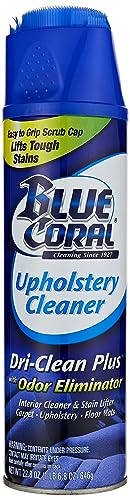
- Enzyme cleaner for pet urine on upholstery couch 32 oz
- Pet urine remover spray for sofa cushions enzyme-based
- Furniture odor eliminator couch upholstery enzymatic cleaner kit


Before You Start
Before treating the stain, identify all affected areas and check fabric care labels. Use a clean, absorbent cloth to blot away excess moisture without rubbing, which can push urine deeper into fibers. Test any cleaner on a hidden spot first to ensure colorfastness. Plan for several hours of drying time, ideally 4–8 hours, and ensure good ventilation. Important cautions: avoid heat sources like hair dryers, which can set odors; do not mix cleaners with bleach or ammonia; wear protective gloves if sensitive to cleaners.
Step-By-Step: How To Get Rid Of Pee Smell On Couch
- Blot the surface with a clean, dry towel to remove as much moisture as possible without pressing the liquid deeper into the fibers.
- Apply a light mist of the enzyme cleaner for pet urine on upholstery, ensuring even coverage over the affected area. Do not saturate the fabric; a damp area is sufficient for enzymes to work.
- Allow the cleaner to sit for the recommended contact time on the product label. This enables enzymes to break down uric acid and odor-causing compounds.
- Gently blot again to lift loosened residue, then repeat application if the smell remains strong after initial treatment.
- For stubborn odors, use the pet urine remover spray for sofa cushions enzyme-based as a follow-up treatment, focusing on seams, cushions, and folds where urine may hide.
- Let the fabric air dry completely. Improve airflow with a fan or open windows while avoiding direct heat on the fabric.
- Once dry, check for any remaining odor. If needed, repeat the enzyme-based treatments until the scent is eliminated.
- Vacuum the area with a clean upholstery attachment after drying to remove any residue and restore fabric texture.
- Optional protection: apply a light, fabric-safe deodorizing spray designed for upholstery to help prevent future odors.
- Reassemble cushions and allow the entire piece to fully recover its normal feel before use.
- Monitor the area over the next several days for any faint reoccurrence and re-treat if necessary.
- Consider enlisting a professional cleaning if the odor persists after multiple passes.
Troubleshooting
| Symptom | Likely Cause | Fix | Prevention |
|---|---|---|---|
| Odor returns after cleaning | Residue or trapped urine in padding | Repeat enzymatic treatment and consider professional extraction | Address immediately; use protective covers |
| Fabric color changes | Cleaner over-saturation | Rinse lightly with plain water and blot; test next time | Spot-clean with minimal moisture |
| Stains remain after odor removal | Stain and odor require different approaches | Use stain-specific cleaner on top of odor treatment | Treat odor first, then stain |
| Drying takes too long | Heavy fabric or poor ventilation | Increase airflow, use dehumidifier, raise cushions | Pre-treat to reduce moisture |
| Allergic or chemical sensitivity | Strong cleaners | Switch to milder enzymatic formulas | Wear gloves and ventilate well |
Common Mistakes
- Over-saturating fabric with cleaner, which can lock in moisture and odors.
- Rubbing urine into fibers, expanding the affected area.
- Using ammonia-based cleaners that can intensify pet odor and attract more urine.
- Skipping drying time, which encourages odor to linger.
Tips For Best Results
- Address urine promptly; fresh urine responds better to enzymatic cleaners.
- Use enzyme-based products specifically labeled for upholstery and pet urine.
- Test cleaners on an inconspicuous area to ensure colorfastness before full use.
- Improve drying conditions with fans and open windows to prevent mold and mildew.
- Consider fabric protectors after cleaning to reduce future staining and odor absorption.
Call A Professional
Seek professional help if the odor persists after multiple treatments or if the urine has seeped deeply into padding or the cushion cores. Stop treatments and call a pro if there is widespread staining, persistent mildew, or if the furniture holds any unusual smells that do not dissipate with standard cleaning.
FAQ
Can I mix enzyme cleaner with other cleaners?
Avoid mixing cleaners. Use products as directed by their labels to prevent chemical reactions and fabric damage.
How long should I wait between applications?
Wait until the area is completely dry before applying another treatment, typically several hours depending on ventilation and fabric.
Will enzyme cleaners damage leather or vinyl?
Enzyme cleaners are generally formulated for fabric. Do not use on leather or vinyl unless the product explicitly states suitability.
Is it necessary to replace cushions?
In severe cases where padding is saturated, replacement or professional extraction of padding may be required.
Buying Guide
When choosing products to tackle pet urine odors on upholstery, consider several factors to achieve reliable results. Size matters: larger bottles reduce frequent reorders for bigger living rooms. Look for enzyme-based formulas specifically designed for upholstery and pet urine, as they break down uric acid and organic compounds efficiently. Noise levels of application tools are typically minimal, but consider spray frequency and nozzle control for even coverage. Energy efficiency is less of a concern for handheld cleaners, but select compact, rechargeable options if you prefer cordless use. Controls should be simple: clear spray bottles or pump mechanisms with legible instructions.
Placement matters as well: store treatment products out of reach of children and pets, and keep them in a cool, dry area away from sunlight. Consider odor-eliminating options with upholstery-safe deodorizers that avoid masking odors with heavy fragrances. If you own multiple fabric surfaces, a kit that includes an enzymatic cleaner plus a specialized spray offers versatility for cushions, throws, and other areas.
For comparison, evaluate the following perspectives:
- Coverage: How much area can be treated per bottle and whether multiple steps are required.
- Effectiveness: Efficacy against urine residues, especially dried uric acid, and odor neutralization.
- Fabric compatibility: Suitability for common couch fabrics like microfiber, cotton blends, and synthetic materials.
- Odor control duration: How long deodorizing effects last after treatment.
- Ease of use: Convenience of spray bottles, compatibility with cushions, and drying time.
Choosing the right kit or combination of products helps ensure the couch stays fresh, with continued care that minimizes future odors. If in doubt, consult product labels or contact customer support for guidance on upholstery compatibility and recommended use cases.
Leave a Reply