How to Get Rid of Old Junk Safely and Efficiently
Removing old items can be a challenge, especially when dealing with bulky furniture, appliances, or a mix of junk. This guide provides practical steps, suitable tools, and safety tips to help American homeowners declutter without hassle.
The approach focuses on preparation, proper disposal methods, and choosing the right equipment to move heavy items with minimal strain. By following a structured plan, households can reduce waste responsibly and speed up the process.
Quick Answer
Plan your haul, gather the right supplies, and follow a step-by-step method to sort, load, transport, and dispose of old items. Use sturdy 40 gallon heavy duty contractor trash bags for loose debris, an appliance dolly moving dolly with wheels for heavy appliances, and a furniture moving straps kit for secure lifting when needed.
What You’ll Need
- 40 gallon heavy duty contractor trash bags for junk removal – for loose debris and smaller items
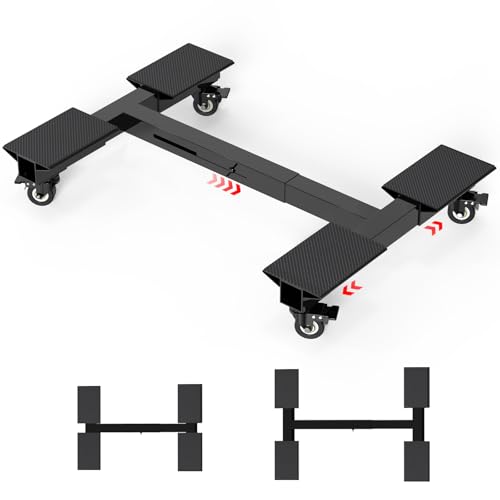
- appliance dolly moving dolly with wheels – for moving refrigerators, washers, dryers, and other large appliances
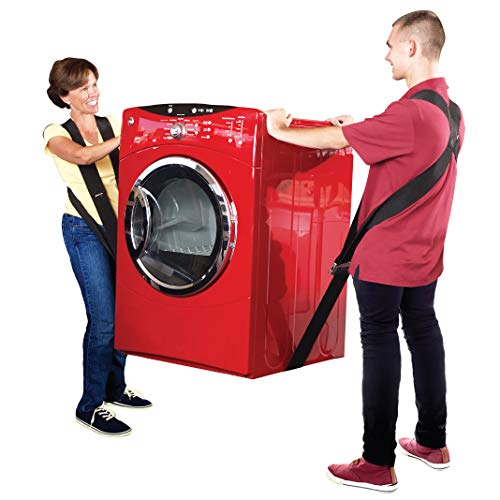
- furniture moving straps kit – for safe lifting and securing furniture during transport

Before You Start
Assess the space and items to remove, and decide whether items can be donated, recycled, repurposed, or must go to landfill. Check local rules for bulky item pickup or curbside disposal. Plan a realistic timeline and allocate time for sorting, loading, and cleaning the area afterward. Never lift heavy items alone; use proper equipment or ask for help. Wear gloves, closed-toe shoes, and a dust mask if needed, and protect floors with moving blankets or cardboard.
Step-By-Step: How To Get Rid Of Old Junk
- Survey the area and separate items into three piles: donate, recycle, and trash.
- Measure doorways and hallways to plan safe paths for moving bulky items.
- Clear a wide, safe workspace; lay down protective material to prevent floor damage during movement.
- Break down small pieces when possible, using appropriate tools, to minimize bulk and weight.
- Use the appliance dolly moving dolly with wheels to move heavy appliances; secure with straps as needed.
- For furniture, employ the furniture moving straps kit to lift and slide without twisting your back.
- Load items into the truck or disposal container in a stable, triangular pattern to prevent shifting.
- Close and secure bags, then label if relevant (donation vs. trash) to streamline pickup or drop-off.
- Schedule pickup or transport, and confirm any fees or requirements with the disposal site.
- Recheck the area for nails, screws, or loose hardware; sweep and tidy the space after removal.
- Document items for donation or recycling to maximize reuse and minimize waste.
Troubleshooting
| Symptom | Likely Cause | Fix | Prevention |
|---|---|---|---|
| Bulky item won’t fit through doorway | Incorrect measurements | Disassemble if possible or use multiple trips | Measure twice, plan route in advance |
| Item is too heavy to move safely | Lack of equipment or improper technique | Use appliance dolly, straps, and partner help | Break into smaller loads when possible |
| Bulky items shift during transport | Load not secured | Re-stack and tighten straps | Use tie-downs and non-slip mats |
| Bag tears during loading | Overfilled or sharp edges | Use multiple bags and wrap sharp corners | Don’t overfill and cushion edges |
Common Mistakes
- Overestimating how much can be carried at once, leading to overexertion
- Using flimsy bags for heavy items, causing tears or injuries
- Ignoring local disposal rules, resulting in delays or fines
- Under-preparing pathways and protective floor coverings
Tips For Best Results
- Label bags as “donation,” “recycling,” or “trash” to speed up drop-offs
- Invest in one sturdy set of moving straps for repeated use
- Schedule large pickups during off-peak times to avoid delays
- Protect flooring with blankets or cardboard to prevent scuffs
- Keep a toolkit handy for quick disassembly or securing straps
Call A Professional
Consider a pro if items include hazardous materials, asbestos, large quantities, or items blocked by structural damage. Stop and call a professional if:
- The job involves dangerous materials or electrical hazards
- Access is severely restricted or requires special equipment
- Multiple flights of stairs or long distances complicate movement
FAQ
What should I do with electronics I’m discarding?
Look for local e-waste recycling programs or a retailer take-back option to ensure proper handling.
Can I move old furniture myself?
Yes, with the right equipment and assistance; avoid overexertion and use moving straps for safety.
What if I don’t know where to dispose of something?
Check local city guidelines or recycling centers; many municipalities provide bulky item guidelines online.
Is it okay to mix donations with trash?
Avoid mixing; separate donations from trash to maximize reuse and minimize landfill waste.
How long does a typical junk removal project take?
Depending on the volume, a single weekend or a few days with small, well-planned sessions is common.
Buying Guide
When choosing gear for getting rid of old items, consider size, efficiency, and ease of use. The right tools reduce risk and speed up disposal. Look at how the 40 gallon heavy duty contractor trash bags for junk removal balance capacity with durability, how the appliance dolly moving dolly with wheels handles heavy appliances, and how the furniture moving straps kit improves lifting safety for large furniture. Evaluate noise, weight limits, and compatibility with your space to select a setup that fits a typical American home.
For comparing options, ask: Does the equipment support multiple trips, does it fit doorways and stairs, and is it easy to store when not in use? Consider rental or purchase based on how often you declutter. Check reviews and local availability; a practical, durable kit often pays for itself through repeated use.
Leave a Reply