How to Get Rid of Old House Smell
Old house odors can linger from years of cooking, smoking, and moisture. A systematic approach that combines odor removal, moisture control, and air cleaning typically yields the best results. This guide outlines practical steps for American homes to freshen living spaces and restore a comfortable atmosphere without expensive remodeling.
Quick Answer
Begin with moisture control and air purification, then target odors with a combination of activated charcoal and carbon-filter purifiers. If humidity is high, add a dehumidifier for basement odor removal. For persistent odors, repeat cycles and maintain your devices regularly.
What You’ll Need
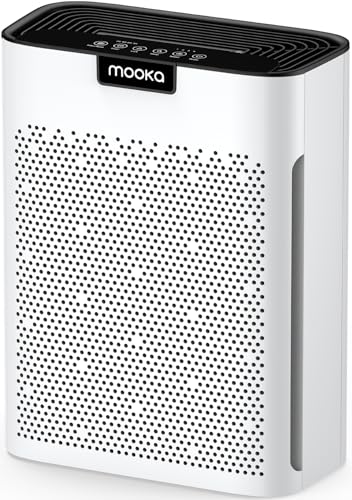
- Musty odor removing air purifier with carbon filter
- Activated charcoal odor absorber for home musty smell
- Dehumidifier for basement musty odor removal
- Optional: baking soda, white vinegar, and clean, breathable fabrics for spot treatment
- New or clean air-sealing door sweeps and window weatherstripping


Before You Start
Before addressing the odor, identify and seal obvious moisture sources. Moisture is often the root cause of musty smells, especially in basements and crawl spaces. Plan for a thorough airing and consider a test run of equipment in a small area first.
Safety cautions: unplug electrical devices when inspecting electrical components, use dehumidifiers and purifiers away from water, and follow manufacturer directions for any appliance. Schedule odor management in stages to avoid overwhelming your senses and to monitor progress.
Step-By-Step: How To Get Rid Of Old House Smell
- Open windows and doors to create cross-ventilation for at least 30 minutes to an hour, weather permitting.
- Run a musty odor removing air purifier with carbon filter in the most affected rooms to begin capturing volatile organic compounds and odor particles.
- Place an activated charcoal odor absorber for home musty smell in closets, storage rooms, and near damp areas to draw out residual odors.
- Check the basement or lowest level and start a dehumidifier for basement musty odor removal if the air feels damp or the relative humidity is above 60%.
- Wipe hard surfaces with a mild solution of baking soda and water or a vinegar-water mix to remove odor residues without leaving strong scents.
- Launder fabrics, curtains, and upholstery that retain odors. For items that can’t be washed, consider a gentle fabric refresher or airing outside during dry weather.
- Replace or clean air filters in the purifier and ensure dehumidifier catch basins are emptied regularly to maintain efficiency.
- Monitor humidity and odor levels daily. If odors persist, redeploy purifiers to additional rooms and repeat the cycle for several days.
- Inspect for hidden moisture sources like leaky pipes, damp basements, or condensation on windows, and address them promptly to prevent recurrence.
- Seal potential moisture entry points with weatherstripping and ensure proper drainage away from the foundation to reduce future mustiness.
- Schedule a periodic maintenance routine: replace carbon filters as recommended and clean units to maintain performance.
- Reassess after 1–2 weeks and consider professional testing if odors linger stubbornly in hidden spaces.
Troubleshooting
| Symptom | Likely Cause | Fix | Prevention |
|---|---|---|---|
| Odors persist after treatment | Moisture source remains unresolved | Address leaks, improve ventilation, re-run purifier/dehumidifier | Regular moisture checks and prompt repair of leaks |
| Humid air despite a dehumidifier | Insufficient dehumidification capacity | Increase dehumidifier size or run duration; use multiple units if needed | Use a hygrometer to track RH and adjust usage |
| Flat or chemical smells from purifiers | Filter saturation or incorrect placement | Replace carbon filters; reposition purifier for optimal air flow | Follow manufacturer maintenance schedule |
| Musty odor returns after air dries | Re-contamination from damp surfaces | Deep-clean problem areas and reapply odor absorbers | Keep surfaces dry and well-ventilated year-round |
Common Mistakes
- Relying on air fresheners alone without addressing moisture or filtration
- Running dehumidifiers or purifiers in isolation without monitoring humidity levels
- Overloading spaces with devices, which can disrupt air flow and efficiency
- Neglecting fabrics and soft furnishings that retain odors
Regular maintenance and a holistic approach yield the best long-term results. Dense odors often mask moisture problems that, if ignored, cause recurring mustiness.
Tips For Best Results
- Place activated charcoal odor absorbers in strategic spots like behind furniture and in laundry rooms.
- Use carbon-filter purifiers in rooms with the highest odor exposure for quicker results.
- Keep humidity below 50–60% to reduce mustiness and inhibit mold growth.
- Rotate the purifier location every few days to ensure even air cleaning.
- Seal off damp storage areas when not in use to limit odor sources.
Call A Professional
Consider contacting an indoor air quality professional if:
- Odors persist after thorough cleaning and moisture control
- Visible mold or a persistent damp smell is detected
- There are structural water intrusion issues or ongoing leaks
FAQ
How long does it typically take to remove old house odors?
Most homes see noticeable improvement within a few days to a couple of weeks, depending on moisture levels and odor source severity.
Can I use baking soda to remove odors?
Baking soda can help absorb mild odors on fabrics and carpets but should be used sparingly to avoid residue on surfaces and pests.
Is an air purifier enough to eliminate musty smells?
Air purifiers help but work best when combined with moisture control and fabric cleaning for lasting results.
Should I run dehumidifiers in all rooms?
Focus on areas with higher humidity or odor intensity; too many units can be inefficient. Use a hygrometer to guide placement.
What maintenance should I perform after odors are gone?
Replace carbon filters as recommended, keep humidity moderated, and periodically clean surfaces and fabrics to prevent recurrence.
Buying Guide
When shopping for odor control equipment, consider size, noise, energy usage, and placement to maximize effectiveness without disrupting daily life. Here are key factors to weigh:
- Size and coverage: Choose an air purifier rated for the square footage of the room; larger spaces may require multiple units or a unit designed for open layouts.
- Noise level: Look for units with low decibel ratings for bedrooms and living areas, especially if you sleep near treated spaces.
- Energy efficiency: Energy Star certified models are typically efficient for long-term use, important for basements and multi-room setups.
- Filters and replacement: Carbon filters and activated charcoal components should be easy to replace and affordable over time.
- Controls: Intuitive controls, timers, and humidity sensing can simplify consistent operation.
- Placement: Place purifiers in rooms with the highest odor concentration and near moisture sources; ensure doors and vents are unobstructed for proper air flow.
- Moisture management compatibility: A dehumidifier for basement musty odor removal pairs well with purifiers; consider models with continuous drainage options for convenience.
- Resilience and warranty: Look for dependable brands with robust warranties, especially for basement and garage environments.
With the right combination of products and a consistent routine, old house odors can be reduced effectively. If unsure which setup fits your home, a quick assessment by an IAQ professional can help tailor a plan that suits your layout and local climate.
Leave a Reply