How to Get Rid of Old Grease Stains on Clothes
Grease stains can be stubborn, especially when they’re old. With the right approach and a few effective products, you can improve or even restore stained fabrics. This guide outlines practical, step-by-step methods using common stain removers designed for grease, tailored for American households.
Quick Answer
Tackle old grease stains by treating with a grease-specific stain remover, followed by a laundry enzyme gel or prewash spray. Pre-treat, wash in warm water with an appropriate detergent, and air dry to verify stain removal before laundering again if needed.
What You’ll Need
The following tools and products are recommended to address grease stains on clothing. The list prioritizes the provided product keywords while offering versatile alternatives for best results.
- Grease stain remover pen for clothes
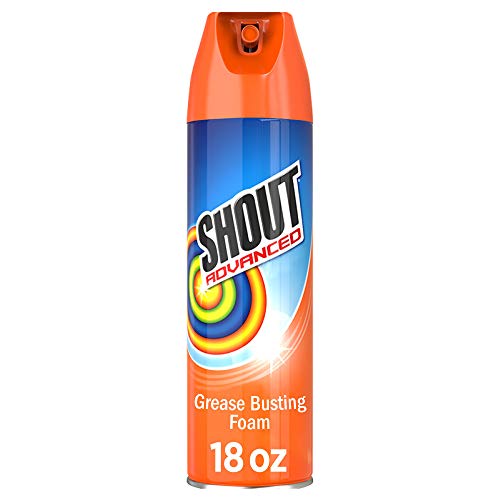
- Prewash stain remover spray for grease stains on fabric
- Laundry stain remover gel for old grease stains on clothing
- Liquid laundry detergent or enzyme-based detergent
- Cold to warm water (as fabrics allow)
- Clean white cloth or soft brush for blotting


Before You Start
Before treating stains, check care labels on the garment. Test any product on an inconspicuous area to ensure colorfastness. Pre-treat work in a well-ventilated area and wear gloves if needed. Time estimates vary by stain age: generally 15–30 minutes for pre-treatment, plus full washing time. Avoid drying the garment in a dryer until you confirm the stain is gone.
Step-By-Step: How To Get Rid Of Old Grease Stains On Clothes
- Blot excess grease with a clean cloth without rubbing to prevent setting the stain.
- Apply the grease stain remover pen for clothes directly to the stain, covering a generous area around the outline.
- Let the pen sit for 5–10 minutes, allowing the solvent to begin breaking down the grease.
- Spray the area with prewash stain remover spray for grease stains on fabric, ensuring even coverage.
- Gently rub the fabric with a soft brush or your fingers to work the remover into the fibers.
- Rinse under warm water from the back of the stain to push the grease out of the fibers.
- Apply laundry stain remover gel for old grease stains on clothing and let it sit for 5–10 minutes.
- Wash the garment in the hottest water allowed by the care label with a suitable detergent, preferably enzyme-based.
- Check the stain before drying. If any grease remains, repeat steps or use a second treatment with the gel or spray.
- Air dry the garment to confirm stain removal; avoid dryer heat until the stain is fully gone.
- If the stain persists after washing, consider a repeat treatment or seek professional cleaning for delicate fabrics.
Troubleshooting
| Symptom | Likely Cause | Fix | Prevention |
|---|---|---|---|
| Stain remains after wash | Older grease absorbed deeply | Repeat pre-treatment and wash cycle; consider gel and spray together | Pre-treat as soon as possible; avoid heat before stain is gone |
| Color fading or yellowing | Incorrect product for fabric or too harsh solvent | Test on inconspicuous area; switch to milder options or follow care label | Use color-safe products on colored fabrics |
| Stain spreads to adjacent areas | Over-application or rubbing too hard | Apply sparingly and blot gently; work from outside in | Use a stain shield or barrier while treating |
Common Mistakes
- Rubbing the stain aggressively, which can spread grease deeper into fibers.
- Using hot water on protein-based stains where not recommended by care labels.
- Skipping a test patch on delicate fabrics, risking color loss.
- Drying items with remaining stains, which sets the grease permanently.
Tips For Best Results
- Always follow care labels for water temperature and fabric tolerances.
- Apply multiple treatments in sequence rather than trying to remove everything in one step.
- Use enzyme-based detergents for best grease-cutting performance during washing.
- For heavy stains on sturdy fabrics, you can start with the stain remover pen, then spray, then gel, in staggered steps.
- After washing, air-dry and re-check; small traces may come out after a second wash.
Call A Professional
If the garment is delicate (silk, leather, wool) or if the stain remains after multiple treatments, stop and consult a professional cleaner. Seek help if you notice color bleeding, fabric distortion, or if the stain is in a hard-to-reach area of a garment.
FAQ
Can I use hot water to remove old grease stains?
Typically, warm or cold water is safer for old grease stains unless the garment care label allows warm water for grease removal.
Is it necessary to use all three products?
No; use the products in a sequence that suits the stain and fabric. Start with the pen or spray, then the gel if needed.
Will grease stains come out of all fabrics?
Most cottons and blends respond well; delicate fabrics require careful testing and possibly professional care.
How long should I wait between treatments?
Allow 5–10 minutes between each treatment to let products work before re-applying.
Buying Guide
When choosing products to fight grease stains, consider the following factors for the best overall performance.
- Size and concentration: Choose products with sufficient quantity and a formulation designed for greasy stains.
- Noise level and usability: Sprays and pens should be easy to use without excessive noise or mess.
- Energy efficiency in washing: Pair stain removers with energy-efficient detergents and full loads to save resources.
- Controls on spray bottles or pen caps: Look for precise dispensing to avoid over-application.
- Placement and storage: Store in a cool, dry place away from children and pets; keep products upright as directed.
Buying decisions should balance ease of use, fabric compatibility, and the expected stain severity. If a stain is stubborn or the fabric is valuable, a professional cleaning option can be a prudent backup.
Leave a Reply