How to Eliminate Old Cabinet Odors Naturally
Old cabinets can harbor musty smells from moisture, mildew, or lingering food scents. With a practical, largely non-toxic approach, you can refresh wood cabinets without harsh chemicals. This guide uses simple steps and targeted odor absorbers to restore a clean, inviting aroma to kitchen, bathroom, or pantry cabinets.
Photographs and samples aside, the best results come from a consistent plan: clean, dehumidify, then treat with odor absorbers that suit your cabinet material. The methods below are designed for American homes and everyday materials, focusing on safety, effectiveness, and easy access to common products.
Quick Answer
- Identify and reduce moisture with ventilation and dehumidification.
- Wipe surfaces with a mild cleaner and let them dry completely.
- Use targeted odor absorbers to neutralize smells at the source.
- Rehab odors with natural sachets or sprays designed for cabinets.


What You’ll Need
- Activated charcoal odor absorber for cabinets
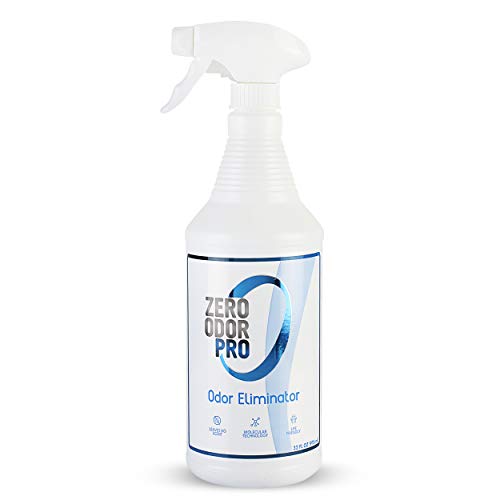
- Musty wood cabinet deodorizer spray
- Cedarwood cabinet deodorizer sachets
- All-purpose cleaner (non-abrasive)
- Microfiber cloths
- Dehumidifier or silica gel packs
- Optional: essential oils (lavender, lemon) for a fresh scent
Before You Start
Before beginning, clear the cabinet interiors and remove items from shelves. Vacuum crevices to remove loose dust, then wipe down surfaces with a mild cleaner. Allow doors and shelves to air dry completely before applying odor treatments. Safety note: test any spray on a small inconspicuous area to avoid staining, especially on unfinished wood or vintage cabinetry. Maintain adequate ventilation during cleaning and drying. Plan for a few hours of work, plus a day or two for thorough airing if humidity is high.
Step-By-Step: How To Eliminate Old Cabinet Odors
- Empty all contents from cabinets and inspect for signs of mold or water damage. If mold is present, address moisture first and consider a fungicidal treatment before odor removal.
- Clean all interior surfaces with a mild all-purpose cleaner. Wipe along edges, corners, and shelf seams to remove residue that could attract odors later.
- Dry all surfaces completely. Use a clean microfiber cloth and, if possible, run a fan or open doors for ventilation to speed up drying.
- Place activated charcoal odor absorber for cabinets inside each cabinet. These products trap odor-causing molecules and are typically low-maintenance.
- Spray musty wood cabinet deodorizer spray on interior surfaces where odors linger, following label directions. Avoid over-wetting wood to prevent warping.
- Distribute cedarwood cabinet deodorizer sachets in shelves or hang them near the back of the cabinet to impart a mild, natural scent and deter pests.
- Use dehumidification methods to reduce ambient moisture. A small dehumidifier in the kitchen or pantry area or silica gel packs tucked into cabinets helps maintain a dryer environment.
- Re-check after 24–48 hours. If odors persist, reposition sachets or add another odor absorber, ensuring good airflow around all shelves.
- Rotate or refresh charcoal and sachets every 1–3 months, depending on odor strength and humidity levels.
- Keep cabinets dry after use by wiping spills promptly and avoiding storing damp items like freshly washed towels inside.
- Reassess periodically: a quick wipe-down and fresh sachet placement can prevent odor buildup over time.
Troubleshooting
| Symptom | Likely Cause | Fix | Prevention |
|---|---|---|---|
| Persistent musty odor after cleaning | Residual moisture or hidden mold | Revisit moisture sources, use a stronger deodorizer, and air out cabinets longer | Improve ventilation and keep humidity low |
| Odor returns shortly after treatment | Inadequate absorption or blocked airflow | Reposition absorbers and ensure shelves are not densely packed | Place absorbers evenly and leave space for air circulation |
| Discoloration after spray | Wood sensitivity or chemical reaction | Switch to a gentler spray or test on a hidden area first | Use products labeled as safe for wood |
| Damaged wood from moisture | Over-wetting during cleaning | Use minimal moisture; wipe dry promptly | Control humidity and use moisture barriers where needed |
Common Mistakes
- Over-wetting wood during cleaning, which can lead to warping or finish damage.
- Relying on a single odor absorber instead of a multi-pronged approach.
- Ignoring hidden moisture sources behind cabinet interiors or walls.
- Using strong scents that overwhelm natural wood or mask odors rather than neutralize them.
Tips For Best Results
- Combine moisture control with odor absorbers for best effect. Air out cabinets regularly, especially after cooking or humid days.
- Choose odor absorbers that are appropriate for your cabinet material. Cedar sachets are gentle on wood and offer mild fragrance.
- Label and rotate products to keep odor control effective. A quick 60-second check every month helps prevent buildup.
- Keep a small maintenance kit handy: microfiber cloths, a mild cleaner, and a couple of sachets for quick refreshes.
Call A Professional
Consider consulting a professional if you notice persistent mold growth, significant water damage, or ongoing musty odors despite multiple treatments. Stop signs include rising wall dampness, ceiling stains, or a strong mildew smell that recurs after cleaning. A pro can assess structural moisture sources, provide remediation, and prevent recurring odor issues that can affect indoor air quality.
FAQ
Can activated charcoal absorb cabinet odors effectively?
Yes, activated charcoal odor absorbers help trap odor molecules inside cabinets, reducing musty smells when placed in appropriate spots.
Are cedarwood sachets safe for all cabinet types?
Most wooden cabinets tolerate cedar sachets well, but test on a small area first and avoid direct contact with finishes that may react to essential oils in sachets.
How long does odor removal take?
Initial improvement is often noticeable within 24–48 hours, but complete deodorizing may take several days depending on humidity and the extent of odor.
Can I use essential oils to improve odor inside cabinets?
Light essential oils can add freshness, but avoid overpowering scents and ensure the oils don’t react with wood finishes.
Should I use a dehumidifier near cabinets?
Yes, reducing ambient humidity helps prevent odor recurrence and supports faster drying during cleaning.
What if the odor returns after a few weeks?
Reassess moisture sources, refresh absorbers, and inspect for hidden mold or leaks that may be reintroducing odors.
Is professional help necessary for musty cabinets?
For severe, recurring, or mold-related odors, professional assessment is recommended to prevent long-term damage and ensure air quality.
Buying Guide
When choosing products to tackle cabinet odors, consider size, placement, and user needs. Key factors include:
- Size and capacity: Select odor absorbers that fit the cabinet dimensions and shelf space without overcrowding.
- Noise level: If using dehumidifiers near kitchens or living areas, look for quiet models.
- Energy efficiency: Opt for energy-efficient dehumidifiers or passive silica gel solutions to minimize power use.
- Controls: Easy-to-use sachets or spray bottles with simple directions reduce user error.
- Placement: Distribute absorbers evenly across cabinets and avoid placing them directly on wood finishes that could react.
- Material compatibility: Choose products labeled safe for wood and finishes; cedar sachets are a gentle option for many cabinets.
- Maintenance: Plan for replacement or refresh intervals to keep odors from returning.
For best results, combine a moisture-reducing setup with targeted odor absorbers, and tailor your approach to your cabinet material and humidity levels. If you’re unsure which products fit your needs, start with a basic kit that includes an activated charcoal absorber, a fabric-friendly deodorizer spray, and cedar sachets, then adjust based on results.
Leave a Reply