How to Get Rid of Oily Hair
Oily hair can be frustrating, especially when it appears flat or weighs down styling. The key is balancing scalp oil production, using the right tools, and choosing cleansing frequency that suits your hair type. This guide outlines practical steps tailored for American homes to reduce oil buildup and maintain a fresh, breathable scalp.
Quick Answer
To manage oily hair quickly: refresh with a gentle cleansing routine using a suitable shampoo, distribute product evenly through the scalp, and use an oil-control tool after washing. Consider a lightweight dry shampoo on non-wash days and a microfiber towel to prevent moisture buildup. Keep styling light and breathable to avoid clogging follicles.
What You’ll Need
- Silicone scalp massager brush for oily hair oil control
- Dry shampoo applicator brush for oily hair
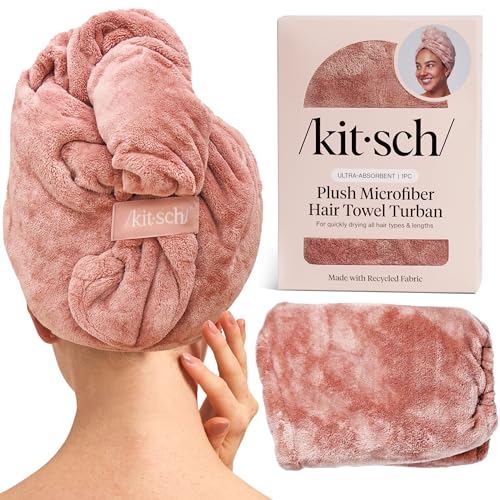
- Microfiber hair drying towel for oily hair scalp oil control


Before You Start
Before beginning, select a shampoo labeled for oily or combination scalps and ensure the hair is thoroughly wet. Test any new product on a small area of skin to watch for irritation. Plan to wash hair at intervals that feel comfortable for your lifestyle—over-washing can trigger more oil production, while under-washing may lead to buildup. Critical cautions: avoid rubbing the scalp harshly, which can stimulate more oil production; protect clothing and bathroom floors from excess water and product residue.
Step-By-Step: How To Get Rid Of Oily Hair
- Wet hair thoroughly with warm water to help loosen oil on the scalp.
- Apply a pea-sized amount of oil-control shampoo to the roots and massage gently with the silicone scalp massager brush for oily hair oil control to lift oil and buildup without over-scrubbing.
- Rinse completely, ensuring all suds wash away from the scalp. For very oily days, consider a second light rinse.
- Condition only the mid-lengths to ends of the hair to prevent adding extra oil at the scalp.
- Pat hair dry with a microfiber hair drying towel for oily hair scalp oil control to absorb moisture without rough rubbing.
- Blot and gently squeeze excess water from the roots to keep the scalp from becoming overly damp as it air dries.
- Use the dry shampoo applicator brush for oily hair on non-wash days, targeting the roots and crown to instantly absorb oil and add grip for styling.
- Refresh styles with a soft brush and minimal product to avoid weighing hair down.
- At night, loosely braid or pull hair back to reduce oil transfer to pillowcases and reduce friction on the scalp.
- Keep a light scalp-friendly spray or refreshing mist on hand for quick midday touchups if needed.
- Schedule deeper cleanses every 3–4 days or as oil levels dictate, adjusting frequency based on activity level and climate.
- Track results and adjust routines if oil returns more quickly in hot or humid weather.
Troubleshooting
| Symptom | Likely Cause | Fix | Prevention |
|---|---|---|---|
| Scalp feels greasy a day after washing | Overproduction of oil due to over-washing or hormonal factors | Space out wash days; use a gentle, balancing shampoo | Maintain consistent routine and avoid heavy products on scalp |
| Oily roots despite dry shampoo | Applying too much product or applying to wet hair | Apply to dry roots, use a light amount; let product settle before styling | Choose oil-control formulas and test on small areas first |
| Scalp irritation or itching | Allergic reaction or harsh cleansing agents | Switch to fragrance-free or hypoallergenic options | Patch-test new products |
| Hair looks flat and lifeless | Over-application of oils or heaviness from products | Use lighter formulas and minimal styling products | Rinse thoroughly and avoid residue-prone ingredients |
Common Mistakes
- Washing too frequently, which signals the scalp to produce more oil
- Overloading hair with heavy or silicone-based products at the roots
- Rubbing the scalp vigorously, which can stimulate oil production
- Choosing only perfumed products that irritate the scalp
- Waiting too long between washes on very oily days
Tips For Best Results
- Limit heavier products to the mid-lengths and ends to prevent root buildup
- Cool-down rinses help seal the cuticle and reduce scalp slickness
- Rotate cleansing routines with a balancing shampoo designed for oily scalps
- Use a microfiber towel to reduce friction and minimize frizz
- Adjust washing frequency with climate and activity level to keep scalp comfortable
- Keep the scalp clean but not stripped; balance is key
Call A Professional
Seek professional help if the scalp becomes severely irritated, experiences constant flaking with redness, or if oil production remains abnormally high despite consistent routines. A dermatologist or trichologist can assess for conditions such as seborrheic dermatitis or hormonal influences and recommend prescription or specialized care.
FAQ
How often should I wash oily hair?
Depends on scalp oil levels and lifestyle; many people find washing every 2–3 days balances oil without stripping moisture.
Can I use dry shampoo every day?
Yes, but limit to targeted days and ensure it’s applied to dry roots to avoid buildup.
Should I skip conditioning at the scalp?
Yes, apply conditioner mainly to mid-lengths and ends to avoid weighing down the roots.
What ingredients help control oil on the scalp?
Look for clarifying or balancing agents like salicylic acid or zinc-based formulas designed for oily scalps.
Is a scalp massage helpful for oil control?
Yes, a gentle silicone scalp massager brush can boost cleansing efficiency without over-scrubbing.
Buying Guide
When shopping for products to combat oily hair, consider the following factors to match your scalp needs and lifestyle:
- Size and coverage: Choose tools and towels sized to fit your hair length and crown area for even oil control without over-application.
- Noise level: Quiet massagers or brushes can be used without disrupting daily routines.
- Energy efficiency: Hand-powered tools are low-maintenance and reliable in any bathroom setup.
- Controls and ease of use: Ergonomic handles and simple application methods improve consistency in use.
- Placement and storage: Keep items within easy reach near the sink or shower to support a regular routine.
- Material compatibility: Opt for soft, breathable fabrics like microfiber and non-irritating silicone or plastic for scalp contact.
- Compatibility with hair type: If hair is fine or prone to oily buildup, favor lightweight products that don’t weigh hair down.
- Maintenance: Look for items easy to clean and quick to dry to avoid bacterial growth on the scalp.
For many users, a combination approach works best: a silicone scalp massager brush for oil control during cleansing, a dry shampoo applicator brush for midweek refreshment, and a microfiber drying towel to minimize moisture retention. Would you benefit from testing a small kit first to see which tools fit your routine?
Leave a Reply