How to Remove Nail Glue Safely and Effectively
Removing nail glue without damaging natural nails requires the right approach and proper tools. This guide walks American readers through safe methods, common mistakes, and practical tips to minimize irritation and nail stress while restoring nails to a healthy state.
Quick Answer
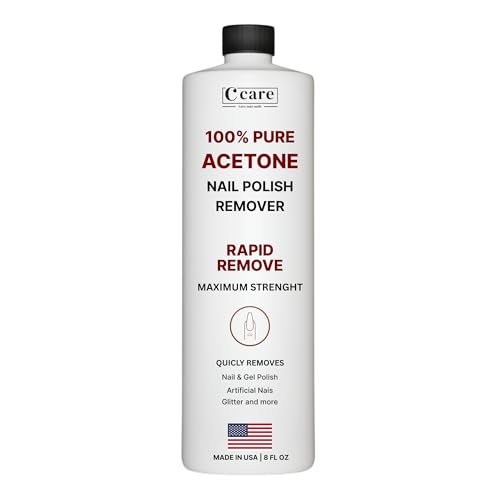
Use a gentle solvent like 100% acetone nail glue remover solution sparingly, apply with a soft cotton pad, and work around the cuticle. For stubborn spots, a low-speed electric nail drill bit for removing nail glue can help, followed by a conditioning routine to restore hydration.
What You’ll Need
- 100% acetone nail glue remover solution
- nail glue remover wipes acetone pads
- electric nail drill bit for removing nail glue


Before You Start
Prepare a well-lit workspace and gather your supplies. Test any product on a small nail edge first to check for sensitivity. Protect the skin around the nails with petroleum jelly or a thick cream to prevent acetone contact. Expect a typical removal time of 10–20 minutes per hand, depending on glue strength and nail length. If you have sensitive skin, a patch test and slower warm-up can reduce irritation.
Step-By-Step: How To Remove Nail Glue
- Gently buff the top layer of the glue with a soft nail buffer to thin the bond and ease solvent penetration.
- Soak a cotton pad with 100% acetone nail glue remover solution and place it over the nail for 5–8 minutes to soften the glue.
- Remove the pad and use a gentle push-back motion with a soft nail file to lift loosened glue—avoid prying to protect the natural nail.
- For remaining residue, reapply the acetone-soaked pad and re-soak for another 5 minutes, repeating as needed.
- If adhesive sticks stubbornly near the cuticle, employ a electric nail drill bit for removing nail glue at very low speeds and light pressure to carefully remove tiny bits.
- Wash hands and apply a hydrating, fragrance-free moisturizer or nail oil to restore moisture after solvent use.
- Gently trim any lifting glue with a clean, disposable nail clipper if necessary, then reshape with a file to even edges.
- Finish with a nourishing base coat or clear polish to protect nails while they recover.
Troubleshooting
| Symptom | Likely Cause | Fix | Prevention |
|---|---|---|---|
| Glue not softening | Insufficient soaking time or low-quality remover | Re-soak and switch to a stronger acetone product | Follow label directions and avoid overuse |
| Skin irritation | Acetone contact with skin | Rinse with water, apply aloe or moisturizer; stop use if irritation persists | Place barrier cream around nails before applying solvent |
| Glue chips or flakes | Over-aggressive filing | Switch to gentler approach, stop friction-based removal | Never forcefully pry; use soaking method |
| Residual glue in cuticle | Glue near skin during application | Soak longer and use drill at low speed with care | Protect skin during removal |
Common Mistakes
- Overusing acetone, which can dry and irritate skin or nails.
- Using sharp tools to scrape glue, risking nail bed damage.
- Rushing the process; impatience leads to uneven removal and damage.
- Skipping a patch test for sensitivities or allergies.
Tips For Best Results
- Schedule removal when nails are not immediately needed for a manicure; give nails time to recover afterward.
- Hydrate daily with cuticle oil and a gentle hand lotion to restore moisture balance.
- Use a nail strengthener after removal to support natural nail resilience.
- For DIY practice, work in small increments rather than removing all glue at once.
- Store acetone-based products away from heat and out of reach of children.
Call A Professional
Consider consulting a professional if you notice prolonged redness, swelling, or pain around the nail beds, or if you have a history of dermatitis. If glue adheres to the nail plate deeply or over large areas, a nail technician can perform safer, controlled removal and assess nail health.
FAQ
Is acetone safe on natural nails?
Occasional use is generally safe, but long or frequent exposure can dry and weaken nails. Use in moderation and moisturize afterward.
Can I use nail glue remover wipes acetone pads on skin?
Avoid direct skin contact; use on nails only and follow with skin-safe moisturizer if contact occurs.
How long does it take to remove nail glue completely?
Most removals complete in 10–20 minutes per hand with proper technique and patience.
What if glue resists removal after multiple attempts?
Take a break, moisturize, and try again later. If stubborn residue persists, seek professional assistance.
Buying Guide
When choosing tools for removing nail glue, consider factors such as compatibility with your nail type, skin sensitivity, and preferred method. A balanced kit includes a reliable solvent, practical removal wipes or pads, and an optional drill bit for tough spots. Look for acetone strength, availability of gentle formulations, and packaging that reduces spill risk. For most users, a combination of acetone remover solution, wipes, and a low-speed drill bit provides versatility across daily maintenance and occasional repairs. Remember to prioritize safety: protect skin, work in well-ventilated areas, and moisturize after removal. If you frequently repair nails or maintain acrylics, investing in high-quality tools can reduce damage and improve results over time.
Leave a Reply