How to Remove Nail Glue From Skin Safely
Nail glue is a handy fast-drying adhesive, but mishaps happen. When glue sticks to skin, quick, careful action prevents skin irritation and potential damage. This guide outlines practical, skin-safe methods using common removers and household supplies, with clear steps, safety notes, and troubleshooting tips.
Quick Answer
Act quickly to avoid the glue bonding to skin. Soak or apply remover to the affected area, then gently peel or rub away the bond. Use a skin-safe remover designed for nail adhesives, and avoid forceful tearing. If irritation occurs, rinse with water and seek medical advice if needed.
What You’ll Need
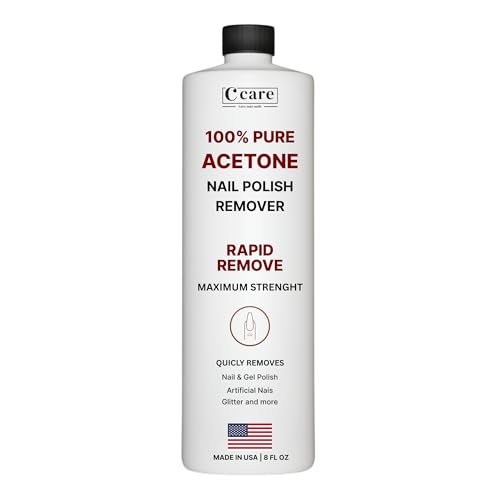
- Acetone nail glue remover 2 oz bottle
- Non-acetone nail glue remover pen
- Nail adhesive remover gel skin-safe


Before You Start
Before attempting removal, ensure you are in a well-lit area with clean hands. Do not pull or yank the glue away; this can tear skin. Test a small amount of remover on a hidden area first to confirm no reaction. If glue is near a cut, avoid applying remover directly to the wound. Time to complete the removal can range from a few minutes to about 15 minutes depending on glue strength.
Important cautions: acetone can be drying, especially for sensitive skin. Use the lowest effective amount and moisturize after the process. If you have a history of skin reactions, consult a clinician before using chemical removers.
Step-By-Step: How To Remove Nail Glue From Skin
- Identify the affected area and gather your remover options to choose the safest method for your skin type.
- Soak a cotton pad with acetone nail glue remover 2 oz bottle and place it on the glued skin for 30–60 seconds to soften the bond.
- Gently roll or peel the softened glue away from the skin using the cotton pad, avoiding forceful pulling that could tear skin.
- If residue remains, apply a second short soak or switch to a non-acetone nail glue remover pen for targeted action on small spots.
- For stubborn areas, apply a thin layer of nail adhesive remover gel skin-safe and let it sit for 2–3 minutes before rechecking the bond.
- Rinse the area with lukewarm water to remove any residue and dry gently.
- Apply a fragrance-free moisturizer or gentle hand cream to restore moisture after removal.
- Avoid rubbing or scratching the skin; if irritation occurs, discontinue use and rinse thoroughly.
- If glue remains stuck near the cuticle or skin folds, repeat the gentle removal steps in small intervals until clean.
- Dispose of used wipes and tools safely, and wash hands after completion to prevent spreading glue.
- For sensitive skin, consider using the non-acetone option first to minimize drying effects.
- Seek medical attention if a chemical burn or persistent irritation develops.
Troubleshooting
| Symptom | Likely Cause | Fix | Prevention |
|---|---|---|---|
| Glue not lifting after first soak | Bond is thick or dried | Try a second soak or switch to a skin-safe gel remover | Work slowly in small areas |
| Skin redness or irritation | Overuse of acetone or sensitivity | Pause treatment, wash skin, switch to non-acetone options | Limit contact time and use moisturizers |
| All adhesive remains stuck | Glue profundamente bonded near cuticle | Gently reapply remover in short intervals; avoid force | Use remover designed for skin safety |
| Dry, cracked skin after removal | Acetone drying effect | Apply a thick moisturizer or barrier cream | Opt for non-acetone methods when possible |
Common Mistakes
- Trying to pull glue off dry, unsoftened skin
- Using harsh hand sanitizers or alcohol immediately after removal
- Rinsing with hot water, which can increase irritation
- Ignoring signs of chemical reaction or persistent redness
Tips For Best Results
- Choose a skin-safe remover specifically formulated for nail adhesives to minimize irritation.
- Start with non-acetone options if you have sensitive skin or dryness concerns.
- Always moisturize after removal to restore skin barrier.
- Work in a well-lit environment and take breaks if you feel discomfort.
- Keep removers away from eyes and mucous membranes; if contact occurs, rinse immediately.
Call A Professional
Seek professional help if glue bonds to a large area, if there is persistent irritation or a chemical burn, or if glue is embedded under the skin or near sensitive areas such as the eyes. Do not attempt complex removal near the eyes or mouth without guidance from a clinician or licensed beauty professional.
FAQ
Can acetone damage my skin?
Yes, acetone can dry and irritate skin with repeated use. Use sparingly and consider non-acetone options first.
Is nail glue removal safe for children?
Adhere to skin-safe removers and supervise use; seek gentler methods and avoid acetone on young skin.
What if glue gets in the eye?
Rinse with clean water immediately and seek urgent medical care if irritation persists.
How long should I wait between applications if glue remains?
Give skin short breaks between applications to prevent over-drying or irritation, typically a few minutes.
Buying Guide
When selecting products to remove nail glue from skin, consider size, formulation, and safety features. Look for a kit that includes multiple remover options, such as acetone and non-acetone formulas, to handle different skin sensitivities. Consider how the product applicates: a pen offers precision for small spots, while gels provide longer contact for stubborn areas. For households with children or sensitive skin, prioritize skin-safe formulations and fragrance-free options. Assess ease of use, drying time, and aftercare steps like moisturizers. Finally, check compatibility with your usual nail products to avoid unexpected reactions.
Leave a Reply