How to Get Rid of Bad Breath in a Child Safely
Persistent bad breath in young children can be distressing for both the child and caregivers. While many cases are temporary and related to routine factors like diet or oral hygiene, some require targeted steps to improve cleanliness and freshness. This guide provides practical, child-friendly methods and safe tools to consider, with a focus on gentle techniques suitable for a 2-year-old’s developing mouth.
The goal is to promote better oral hygiene habits while avoiding aggressive methods. Readers will find a quick overview, a clear shopping list of practical tools, and a step-by-step approach that emphasizes safety, supervision, and pediatric considerations.
Quick Answer
What to do first: reinforce twice-daily brushing with a small, soft-bristled toothbrush, cleanse the tongue gently, and ensure hydration. If the breath persists beyond a few weeks or is accompanied by fever, irritability, or poor appetite, consult a pediatrician or pediatric dentist promptly.
What You’ll Need
- Sonic electric toothbrush plaque removal for bad breath (gentle on young gums, helps reduce plaque that causes odor)
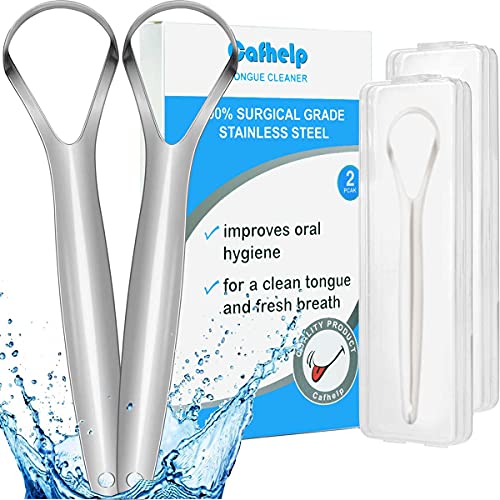
- Stainless steel tongue scraper anti-bad-breath tool (helps remove coating from the tongue)
- Water flosser cordless oral irrigator bad breath relief (use cautiously under supervision; not every child will tolerate it)


Before You Start
Prepare a kid-friendly routine and set expectations. Choose age-appropriate tools and supervise all brushing and tongue cleaning to prevent injury. Do not use mouthwash or fluoride rinse intended for older children or adults without pediatric guidance. Establish a consistent twice-daily routine and keep sugary snacks limited, especially before bedtime. Estimate 5–10 minutes for brushing and tongue cleaning per session, and adjust as needed for your child’s attention span.
Step-By-Step: How To Get Rid Of Bad Breath In A Child
- Schedule a pediatric dental checkup to rule out cavities, infections, or other issues that could cause persistent foul odor.
- Use a sonic electric toothbrush plaque removal for bad breath twice daily with a pea-sized amount of fluoride toothpaste appropriate for toddlers; brush for about 2 minutes total, covering all surfaces.
- Gently rinse the mouth with warm water after brushing. Avoid swallowing toothpaste; offer small sips of water instead.
- Clean the tongue daily with a stainless steel tongue scraper anti-bad-breath tool. Hold gently and scrape from back to front; rinse scraper after use.
- In the morning and evening, clean the teeth at the gumline and around dental work (if present) to remove plaque buildup that contributes to odor.
- If using a water flosser, start with the lowest pressure setting and short sessions. Direct the stream along the gumline and away from the throat to minimize gagging. Use only under adult supervision and with pediatric-approved settings.
- Encourage hydration and water intake; dry mouth can worsen odor. Offer water frequently throughout the day.
- Review nutrition with a pediatrician or dentist; limit sugary drinks and snacks that can foster bacterial growth in the mouth.
- Maintain consistent bedtime brushing and tongue cleaning to prevent overnight odor buildup. Consider a mild, child-safe sea salt rinse if advised by a clinician.
- Track progress over 2–4 weeks. If odor persists, revisit the pediatric dentist for a comprehensive assessment and tailored plan.
- Celebrate small wins with positive reinforcement and keep sessions short and engaging to foster long-term habits.
- If mouth ulcers, persistent redness, or bleeding gums appear, stop the routine and seek professional advice promptly.
Troubleshooting
| Symptom | Likely Cause | Fix | Prevention |
|---|---|---|---|
| Persistent bad breath after brushing | Tongue coating or dry mouth | Increase tongue cleaning; ensure hydration | Regular brushing and tongue care; adequate fluids |
| Gum bleeding during cleaning | Sensitive gums or aggressive brushing | Use gentler strokes and softer brush; reduce frequency temporarily | Proper brushing technique and pediatric guidance |
| Odor worsens in the morning | Acid reflux or mouth breathing during sleep | Consult pediatrician; adjust bedtime routine | Encourage nighttime hydration and nasal breathing checks |
| Child resists tools | Discomfort or fear | Introduce tools slowly; use short sessions; positive reinforcement | Age-appropriate explanations and gradual exposure |
| Bad breath with fever or pain | Possible infection or dental issue | Seek urgent pediatric evaluation | Monitor symptoms and seek early care |
Common Mistakes
- Using adult mouthwash or high-fluoride products not designed for toddlers
- Rushing brushing and tongue cleaning, which reduces effectiveness
- Relying solely on one tool; a combination approach yields better results
- Overlooking hydration and dietary factors that influence breath
Tips For Best Results
- Set a fixed brushing window every morning and night to build habit consistency.
- Pair tongue cleaning with brushing for a dual-action cleanse that targets odor-causing bacteria.
- Choose soft, child-sized toothbrushes and gentle brushes to protect developing enamel and gums.
- Keep dental tools within easy reach but away from danger; supervise all tool usage.
- Maintain a balanced diet rich in fruits and vegetables that support oral health.
Call A Professional
Seek professional help if there are signs of persistent or worsening breath after a few weeks of consistent cleaning, or if the child exhibits pain, fever, swelling, or difficulty eating. If the child has a history of medical conditions that affect the mouth, or if you notice unusual odors with other symptoms, contact a pediatrician or pediatric dentist promptly.
FAQ
Is it safe to use a tongue scraper on a 2-year-old?
Yes, with careful handling and guidance from a pediatric dentist. Use a gentle touch and monitor comfort during use.
Can a water flosser help a toddler with bad breath?
Under adult supervision and with pediatric-approved settings, it can help remove debris near the gumline, but it is not essential for every child.
How often should I brush my child’s teeth?
Twice daily is recommended, with an emphasis on gentle technique and thorough tongue cleaning.
When should I see a pediatric dentist for bad breath?
If bad breath persists for more than a few weeks despite good hygiene, or if there are other symptoms like fever, pain, or swelling.
Buying Guide
Choosing the right tools for a child’s oral care involves several factors. Start with age-appropriate hardware and consider how family routines fit into daily life. Below are key buying factors and practical perspectives to help make informed choices.
- <bSize and design: Look for compact, soft-bristled brushes and tongue cleaners sized for little mouths. Ergonomic handles help caregivers maintain control during cleaning.
- <bNoise level and comfort: Some sonic electric toothbrushes are quieter and gentler, reducing anxiety and resistance in toddlers.
- <bEnergy efficiency: Battery life matters for travel and daily use; choose rechargeable options with safety features appropriate for children.
- <bControls and safety: Simple on/off controls, timers, and pediatric-safe modes help ensure proper brushing duration without overexertion.
- <bPlacement and accessibility: Store tools in a clean, accessible area to encourage routine while keeping them out of reach of small hands until supervised use.
- <bCompatibility with other tools: If considering a water flosser, verify that the model offers pediatric guidance and low-pressure settings.
- <bMaintenance: Replace brushes regularly and clean tongue scrapers after every use to prevent reinfection or odor transfer.
With the right combination of brushing, tongue cleaning, and supervised care, a child’s breath can improve noticeably. If in doubt, always lean on pediatric professionals for tailored advice and a plan that fits your family’s needs.
Leave a Reply