How to Eliminate Musty Smell in Your Washing Machine
Musty odors in laundry can be stubborn, but a systematic cleaning routine often restores freshness. This guide explains practical steps to remove odors from the washer tub, gasket, and hoses, using common tools that fit American homes.
Quick Answer
Run a heated cycle with vinegar or baking soda, clean the gasket and tub with dedicated brushes, and inspect hoses for buildup. Regular maintenance after every few loads helps prevent future odors.
What You’ll Need
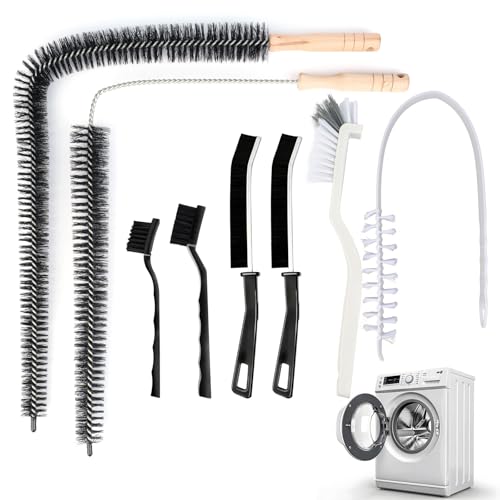
- Long-reach washing machine gasket cleaning brush
- Washer tub cleaning brush kit
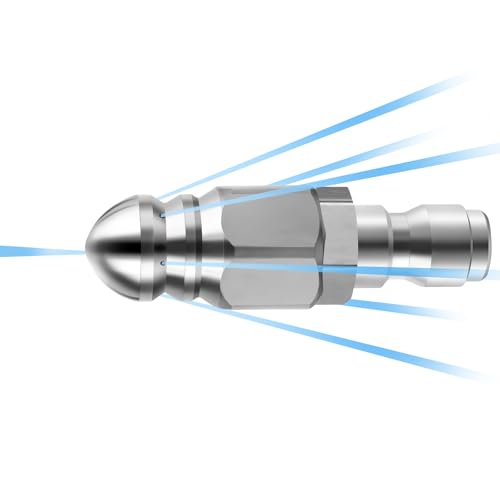
- Washing machine drain hose cleaning auger

Before You Start
Prepare a well-ventilated area and remove any loose items from the washer. For safety, unplug the machine before disassembly, and avoid using harsh chemicals on stainless steel or rubber components. Time estimate: about 60–90 minutes for a thorough cleaning, with 24–48 hours for fully drying and airing out the drum.
Important cautions: never mix chlorine bleach with ammonia or vinegar. If your washer is under warranty, check the manual before disassembly to avoid voiding coverage.
Step-By-Step: How To Eliminate Musty Smell In A Washing Machine
- Unplug the washer and pull it away from the wall to access the back and hoses. Remove the top panel if required by your model, following the manufacturer’s instructions.
- Remove and inspect the drain hose. Detach the hose at the back, and use the washing machine drain hose cleaning auger to clear any buildup near the connection.
- Clean the exterior of the washer door seal with a damp cloth, then insert the long-reach gasket brush between the folds. Wipe away any slimy residue and mold.
- Run a hot water cycle with the tub empty. Add two cups of white vinegar or a half cup of baking soda to the drum to help neutralize odors.
- Pause the cycle halfway to allow the cleaner to soak into the tub and gasket. Then resume and complete the cycle.
- Inspect the tub for mold or soap scum deposits. Use the washer tub cleaning brush kit to scrub the interior surfaces, paying attention to corners and jets.
- Rinse with a second hot water cycle to remove any loosened debris. After the cycle, wipe down the drum and door area with a dry cloth.
- Leave the door or lid open after each use to improve air circulation and prevent future moisture buildup.
Troubleshooting
| Symptom | Likely Cause | Fix | Prevention |
|---|---|---|---|
| Persistent musty odor after cleaning | Hidden mold in gasket or tub corners | Repeat cleaning with gasket brush and tub kit; run hot cycle with vinegar | Clean monthly; keep door open between uses |
| Foul smell returns after a few days | Moisture trapped in hose or filter | Disassemble hose, clear with auger, clean filters if present | Check hoses for leaks; dry thoroughly |
| Smell only when washing towels or damp fabrics | Detergent residue build-up | Switch to recommended detergent amount; run extra rinse cycles | Use less detergent and pre-rinse if needed |
| Visible mold on gasket | Moist environment and soap residue | Deep clean with brush kit and vinegar solution | Wipe dry after use; leave door ajar |
Common Mistakes
- Using only water to clean; residues need a cleaning agent like vinegar or baking soda
- Forgetting to clean the gasket folds and tub corners, where mold hides
- Overlooking the drain hose and filters, which can trap odors
- Forgetting to dry the interior after cleaning; moisture leads to quick odor return
Tips For Best Results
- Perform a maintenance cycle every few months, or monthly if your washer is heavily used
- Alternate between vinegar and baking soda to neutralize odors with different chemical properties
- Use hot water when possible to improve cleaning efficacy
- Keep the wash drum and door seal dry between uses to minimize mold growth
- Schedule professional service if you notice persistent mold or any hydraulic leaks
Call A Professional
Stop and call a pro if you notice any of the following: persistent odor despite cleaning, visible mold that reappears quickly, unusual noises from the motor or pump, or signs of water leakage around the base of the machine. If your unit is under warranty, consult the manufacturer before attempting disassembly, as self-service may affect coverage.
FAQ
What causes a musty smell in a washing machine?
Moisture in the drum and gasket, along with soap scum and mold, can create a musty odor over time.
Can baking soda and vinegar damage my washer?
Used properly in moderation, these cleaners are safe for most washers, but avoid mixing them together in concentrated forms.
How often should I clean my washer?
Deep clean every 1–3 months, with more frequent cleanings for high-usage households.
Is it safe to use bleach to remove odors?
Bleach can be effective but should be used sparingly and never mixed with ammonia or vinegar; check your model’s guidelines first.
Should I leave the door open after washes?
Yes. Leaving the door or lid ajar between uses helps the interior dry and reduces odor buildup.
What if odor persists after cleaning?
Multiple cleaning cycles and checking hoses or filters is advised; consider professional service if the odor remains.
Buying Guide
When selecting products to help remove musty smells from a washer, consider these factors:
- <bSize and compatibility: Ensure tools fit your model’s gasket and hoses, and reach into tight folds.
- <bEffectiveness: Look for brushes and augers designed for mold and mineral buildup, not just general cleaning.
- <bEase of use: Tools with long handles or flexible heads save effort on back and knees.
- <bDurability: Stainless or high-strength plastic components resist moisture and wear.
- <bMaintenance needs: Reusable brushes with easy cleaning dry quickly to prevent mold growth.
- <bCost and value: Choose a kit that covers gasket, tub, and hose access without duplicating tools you already own.
Are you weighing options between a gasket brush, a tub cleaning kit, or a hose auger? A combined approach often yields the best results, addressing all common odor sources in one routine.
Leave a Reply