How to Get Rid of Musty Clothes Smell
Musty odors in clothes can stem from damp storage, humidity, or infrequent washing. With practical, U.S.-market solutions, you can refresh fabrics, prevent mold growth, and restore freshness without harsh chemicals. The following guide combines simple home steps with targeted products to tackle mustiness effectively.
By following a structured approach, you’ll address odor at the source—inside closets, drawers, and laundry loads—while keeping fabrics safe and clean. The methods below emphasize everyday materials and tools commonly found or easily purchased in American households.
Quick Answer
To eliminate musty clothes smell quickly: run a small dehumidifier in the closet, use an enzyme-based odor eliminator spray on problem garments, and place an activated charcoal odor absorber bag to capture lingering toxins. For ongoing maintenance, wash fabrics with a dedicated odor eliminator and dry promptly in a well-ventilated area.
What You’ll Need
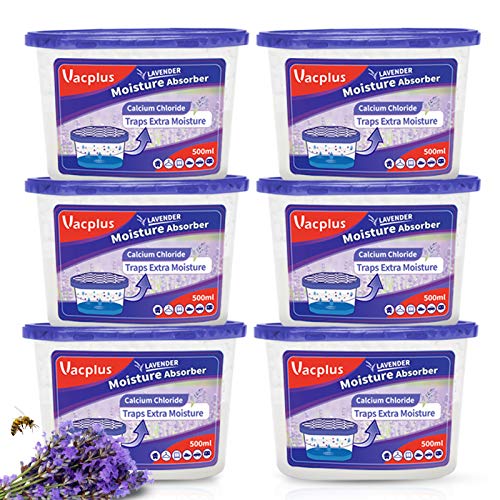
- Portable dehumidifier for closet musty smell
- Activated charcoal odor absorber bag for clothes closet
- Enzyme-based laundry odor eliminator spray musty clothes


Before You Start
Prepare the space: ensure the closet is clean and dry, with good air circulation. Check for visible mold or water damage and address leaks before deodorizing. Test any spray on a hidden seam first to avoid staining delicate fabrics. Time estimate for initial refresh: 1–3 hours, plus air-drying time as needed.
Safety cautions: keep electrical devices away from standing water, unplug electrical outlets when using moisture-control devices, and follow label directions on sprays and odor absorbers. If odors persist after multiple refreshes, consider deeper cleaning of fabrics or professional assessment for mold.
Step-By-Step: How To Get Rid Of Musty Clothes Smell
- Empty the closet and inspect for damp spots, wet shoes, or bins that trap moisture. Remove any items that show signs of mold or mildew.
- Place a portable dehumidifier in or near the closet and run it on a medium setting until humidity dips below 50%. Keep doors closed during the process for maximum effect.
- Wipe down shelves with a mild, fabric-safe cleaner and allow them to dry completely before restocking. This removes surface mold spores and odors.
- Treat affected garments with an enzyme-based laundry odor eliminator spray musty clothes. Apply evenly to fabric, focusing on collars, cuffs, and underarms where odors concentrate. Let air dry or follow fabric care guidance.
- Use an activated charcoal odor absorber bag for clothes closet to capture residual odors and reduce moisture again. Place bags away from direct sunlight and high heat.
- For items that tolerate washing, run a standard or odor-eliminating wash cycle using your usual detergent plus the recommended dose of the enzyme-based spray in the wash, if applicable. Dry thoroughly in a sunny spot or a dryer with a clean lint filter.
- Reorganize the closet to improve airflow: avoid overcrowding, install a small fan if possible, and keep items categorized to promote even drying after use.
- Perform a maintenance check every few weeks: re-run the dehumidifier for short periods during humid months and refresh charcoal bags as needed.
- If odors linger in specific fabrics, treat those pieces individually with the spray and air them out before returning to the closet. A brief sunlight exposure can also help reduce odor on certain fabrics.
- Maintain a routine: wash infrequently worn items more often and keep the closet dry to prevent odor recurrence.
- Document any ongoing dampness issues, and consider climate-control options for long-term storage if humidity remains high year-round.
Troubleshooting
| Symptom | Likely Cause | Fix | Prevention |
|---|---|---|---|
| Musty odor returns after laundry | Residual moisture in fabrics | Extend drying time or use a higher heat setting appropriate for fabrics | Ensure complete drying before storage |
| Water stains or damp shelves | Humidity leaks or condensation | Repair leaks and improve closet ventilation | Reduce humidity with dehumidifier and ventilation |
| Charcoal bags lose effectiveness | Saturated odor absorption | Replace or rotate bags regularly | Place bags in open-air positions away from moisture |
| Spray leaves residues or fabric stiffness | Spray not suited to fabric type | Patch-test on hidden areas and adjust spray amount | Follow label directions for fabric compatibility |
Common Mistakes
- Overloading the washing machine or dryer with musty items
- Relying on a single method instead of combining dehumidification and odor control
- Using harsh cleaners that damage delicate fabrics or leave residues
- Neglecting to dry fabrics completely before storing
Tips For Best Results
- Run the dehumidifier during peak humidity months for consistent results.
- Use the enzyme-based odor eliminator on fabrics known to hold sweat and body odors.
- Place odor absorbers out of direct sunlight to extend their life.
- Keep closet doors closed when dehumidifying to maximize effectiveness.
- Pair odor control with regular wardrobe rotation to prevent stale scent buildup.
Call A Professional
Seek professional help if you notice persistent musty smells despite multiple refreshes, if you see visible mold growth on walls or fabric, or if humidity levels remain high even after dehumidification. Sudden, strong odors could signal hidden moisture or structural concerns that require expert assessment.
FAQ
What causes musty smells in clothes?
Musty smells typically come from mold or mildew growth due to moisture, high humidity, or damp storage conditions.
Can I use baking soda for musty clothes?
Baking soda can help with odor, but it’s best used in combination with cleaning and drying steps or in washing cycles designed for odor control.
How long should I run a dehumidifier for closet odor removal?
Run it for several hours to days depending on humidity levels; aim for consistent readings below 50% humidity after each session.
Is an enzyme-based spray safe for all fabrics?
Most enzyme-based sprays are designed for common fabrics, but always test on a hidden area first and follow the product label for fabric compatibility.
Buying Guide
When choosing odor-control solutions for clothing storage, consider size, noise, energy use, and placement. A compact portable dehumidifier fits small closets without overwhelming space, while a quiet model minimizes disruption in bedrooms or walk-ins. Activated charcoal odor absorbers offer low-maintenance, chemical-free odor capture and work well in conjunction with moisture control. Enzyme-based odor eliminators provide targeted fabric treatment without masking scents. For best results, pair a dehumidifier with odor absorbers and targeted sprays, and adjust placement to optimize airflow and drying. Consider your closet size, climate, and laundry frequency to select a set of products that balances effectiveness with convenience.
Leave a Reply