How to Get Rid of Mushrooms in the Bathroom
Mushrooms in the bathroom are a sign of excess moisture and poor ventilation. Addressing the underlying humidity and properly cleaning affected areas can restore a healthier, mildew-free space. This guide explains practical steps and the right tools to use for safe, effective removal.
By following these methods, homeowners can reduce recurrence and maintain a cleaner bathroom environment. The focus is on accessible, realistic actions using common household equipment and targeted cleaning tools.
Quick Answer
Reduce humidity with a dedicated dehumidifier, monitor moisture levels with a digital moisture meter, then clean mold and mushrooms with an electric steam cleaner for grout and surrounding surfaces. Ensure ventilation and consistent drying to prevent regrowth.
What You’ll Need
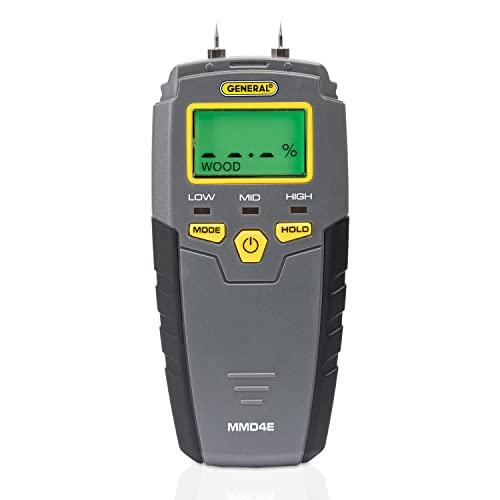
- Digital moisture meter bathroom mold detection
- 30 pint dehumidifier for bathroom with drain hose
- Electric steam cleaner for mold and grout removal


Before You Start
Prepare the area by opening windows or turning on the bathroom exhaust fan to improve air flow. Wear protective gloves, a mask, and eye protection when dealing with visible mold or mushroom growth. Move towels and rugs away from the work zone to prevent cross-contamination. Time estimates vary by space but plan for several hours across multiple sessions if infestation is extensive. Critical cautions: never mix cleaning agents; test a small area first; never use harsh solvents on porous grout without ventilation.
Step-By-Step: How To Remove Mushrooms In The Bathroom
- Assess humidity using the digital moisture meter bathroom mold detection to identify moisture hotspots and monitor progress.
- Set up the 30 pint dehumidifier for bathroom with drain hose in the area with the highest humidity to reduce moisture quickly.
- Clean visible mushrooms and mold with a mild detergent solution, scrubbing gently to avoid spreading spores.
- Use the electric steam cleaner for mold and grout removal to disinfect grout lines and textured surfaces; allow steam to dwell briefly before wiping away residues.
- Rinse and dry treated surfaces thoroughly after steam cleaning. Keep the area well-ventilated to speed drying.
- Recheck moisture levels with the digital moisture meter to verify that humidity has dropped to acceptable levels.
- Replace or repair any compromised caulk or caulked joints and seal grout to reduce future water intrusion.
- Keep a consistent dehumidification routine and run the dehumidifier during high-humidity periods or after showers to prevent mushroom return.
- Consider improving ventilation by upgrading exhaust fans or adding a vented exhaust to the bathroom to maintain lower humidity long-term.
- Schedule periodic inspections for moisture buildup and address leaks or damp areas promptly to prevent recurrence.
Troubleshooting
| Symptom | Likely Cause | Fix | Prevention |
|---|---|---|---|
| Persistent damp smell | Hidden moisture behind walls or under flooring | Inspect with a moisture meter and address leaks; consider professional assessment | Improve ventilation; use a dehumidifier regularly |
| Recurring mushrooms after cleaning | Moisture hotspots remain | Reassess humidity with meter; increase dehumidification and dry thoroughly | Seal grout; fix leaks; maintain airflow |
| Moisture meter shows high levels after cleaning | Insufficient airflow or moisture source | Increase ventilation and dehumidifier run-time; locate and repair leaks | Install or upgrade exhaust fan |
| Water damage or staining | Water intrusion beyond the immediate area | Address source of water; consider professional remediation | Preventive maintenance on plumbing and surfaces |
Common Mistakes
- Ignoring hidden moisture behind walls or cabinets
- Rushing the drying process, leading to regrowth
- Using aggressive cleaners without ventilation
- Neglecting to replace degraded caulk or sealant
Tips For Best Results
- Run the dehumidifier continuously during humid months and after hot showers to maintain low humidity levels.
- Use the digital moisture meter to track progress and set a target humidity percentage (often below 50%).
- Maintain a clean, dry bathroom surface by drying walls and tiles after each shower.
- Inspect grout lines annually and reseal as needed to prevent moisture penetration.
Call A Professional
Seek professional help if mushroom growth recurs despite dehumidification and cleaning, or if there are signs of structural damage, extensive mold, or persistent water leaks. Stop signs include widespread mold in multiple rooms, structural cracking around tiles, and foul odors that persist after cleaning.
FAQ
Is mushroom growth in bathrooms dangerous?
Mushrooms indicate excess moisture and can indicate mold growth, which may affect indoor air quality. Address moisture and clean affected areas promptly.
Can I remove mushrooms with a steam cleaner?
Yes, an electric steam cleaner can help disinfect grout and surfaces. Use it according to the manufacturer’s instructions and ensure proper ventilation.
How long does it take to dry a bathroom after removing mushrooms?
Drying time varies by space and ventilation. Using a dehumidifier and improving airflow can shorten the process to several hours to a day.
How can I prevent mushrooms from returning?
Maintain low humidity levels, repair leaks, seal grout, and ensure consistent ventilation. Regularly monitor humidity with a moisture meter.
Should I replace bathroom materials if mushrooms appear?
If materials are porous and deeply saturated, replacement may be necessary to prevent recurrence and maintain hygiene.
What if mushrooms return after cleaning?
Reassess moisture sources, increase dehumidification, and consider professional inspection for hidden leaks or structural dampness.
Buying Guide
When choosing tools to prevent and treat bathroom mushroom growth, consider size, efficiency, and ease of use. A compact bathroom dehumidifier with a drain hose can continuously reduce humidity without frequent emptying. Look for a model with an auto-defrost feature and quiet operation to avoid disruption. A digital moisture meter helps track progress and identify problem areas, ensuring you target the right spaces. For deep cleaning, an electric steam cleaner that delivers regulate, high-temperature steam can disinfect grout and textured surfaces without harsh chemicals. Finally, ensure good ventilation—upgrading an exhaust fan or adding supplemental ventilation can dramatically reduce moisture buildup over time. If in doubt, consult a professional for a personalized assessment and remediation plan. Your bathroom will stay drier, cleaner, and mushrooms less likely to return. Are you ready to create a healthier bathroom environment?
Leave a Reply