How to Get Rid of Mulch Smell
Mulch can add beauty and moisture retention to landscapes, but a strong odor can be off-putting. This article breaks down practical, safe steps to reduce and eliminate mulch odors in American yards and homes. By combining airflow, moisture management, and targeted odor control products, homeowners can restore a fresh, neutral scent without compromising mulch benefits.
Quick Answer
Use a combination of ventilation, proper moisture control, and odor-neutralizing products. Start with deeper watering or aeration to reduce moisture buildup, apply a mulch odor neutralizer spray as needed, and consider an enzyme deodorizer for stubborn compost-like smells. For enclosed spaces, use an odor absorber designed for mulch bags and store mulch in a dry, well-ventilated area.
What You’ll Need
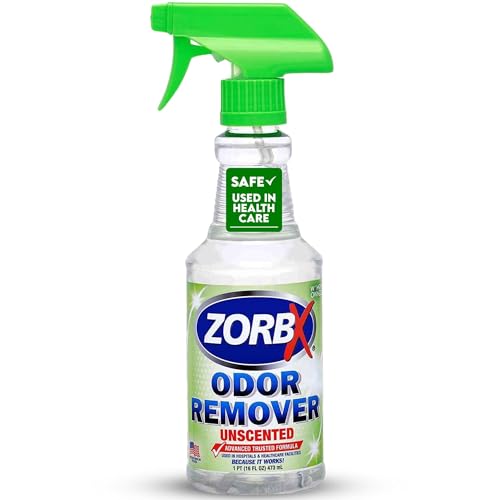
- Mulch odor neutralizer spray
- Enzyme deodorizer for compost pile odor
- Odor absorber for mulch bags moisture control
- Ventilation accessories (fans, open-air storage area)
- Moisture management tools (dehumidifier or moisture-absorbing products)
- Protective gloves and mask (when applying sprays)
- Watering can or hose for light irrigation if moisture is excessive


Before You Start
Assess the source of the odor first. If mulch is damp, smells often stem from anaerobic conditions or decomposing organic matter. Always follow product labels for safe use and test any spray on a small area before full application. Ensure outdoor storage areas have good airflow and are shielded from rain. Plan for a drying period of several hours to a full day depending on weather conditions.
Key cautions include avoiding prolonged exposure to soil amendments and never mixing chemical products without guidance. If you have respiratory concerns or sensitivities, wear protective gear during application.
Step-By-Step: How To Eliminate Mulch Odor
- Inspect the mulch depth and moisture: If mulch is sodden, allow it to dry in a sunny, breezy area or stir the top layer to promote airflow.
- Improve ventilation: Increase air movement around mulch piles or bags by using outdoor fans or relocating to a well-ventilated space.
- Apply a mulch odor neutralizer spray: Follow label directions to mist the surface evenly, focusing on damp or smelly zones. Reapply as needed after rainfall or heavy dew.
- Use an enzyme deodorizer for compost pile odor: Treat the affected area or pile where odors are strongest. Enzymes break down organic compounds that cause the scent without harsh fragrances.
- Address moisture in bags: If bags retain moisture, transfer mulch to a dry container or spread out in a thin layer to dry faster. Place odor absorbers nearby to capture residual moisture and smells.
- Manage storage conditions: Elevate mulch bags off the ground on pallets or racks to improve airflow and prevent dampness from the ground.
- Test and monitor: After treatment, check several hours later. If odors persist, repeat treatment or increase ventilation for a day or two.
- Combine solutions for persistent smells: In stubborn cases, use both a mulch odor neutralizer spray and an enzyme deodorizer, rotating applications per label guidance.
- Optional proactive step: Schedule regular aeration and shallow turning of mulch layers during hot months to prevent anaerobic pockets.
- Finish with moisture control: If humidity is high, deploy a moisture absorber near storage to maintain dryness and deter odor development.
Troubleshooting
| Symptom | Likely Cause | Fix | Prevention |
|---|---|---|---|
| Stronger odor after rain | Excess moisture reactivating decomposables | Re-dry mulch, reapply odor control products | Store in a sheltered, ventilated area |
| Odor persists in bags | Moisture trapped inside bags | Move to a drier location, use dehumidifier if indoors | Keep bags off the ground, cover loosely |
| Unpleasant smell only in certain areas | Localized moisture pockets | Ventilate area and rotate mulch layers | Spread mulch thinly in hot, dry weather |
| Sprays seem ineffective | Improper application or noncompatible products | Recheck label instructions, test on small area | Alternate products or combine as directed |
Common Mistakes
- Using strong fragrances alone without addressing moisture or airflow
- Over-wetting mulch during cleaning or reapplication
- Storing mulch in closed, poorly ventilated spaces
- Ignoring storage temperature and letting bags sweat in humidity
By avoiding these missteps, odor control becomes more predictable and durable.
Tips For Best Results
- Apply odor products when temperatures are moderate and humidity is low to maximize effectiveness.
- Combine ventilation with moisture control for a comprehensive approach.
- Follow natural enzymatic products for eco-friendly odor reduction in compost and mulch areas.
- Schedule regular maintenance during peak gardening seasons to prevent odor buildup.
- Label and store all products safely away from children and pets.
Call A Professional
Consider a professional if odors persist despite multiple treatments, especially in enclosed areas or when odors are linked to mold or mildew growth. Seek immediate help if there are signs of damp, persistent musty smells that could indicate broader environmental moisture issues or potential pest problems.
FAQ
Can mulch odor be completely eliminated?
Most odors can be significantly reduced with proper ventilation, moisture management, and targeted odor-control products, though some residual scent may remain in certain conditions.
Are enzyme deodorizers safe for the garden?
Yes, enzyme-based products are generally safe for plants and soil when used as directed, as they target organic compounds contributing to odors.
How often should I apply odor-control sprays?
Follow the product label, typically as-needed after rain, high humidity, or noticing a smell returning.
Is storing mulch indoors risky for odors?
Indoor storage can trap moisture and odors unless a dehumidifier is used and airflow is improved.
What maintenance helps prevent odor long-term?
Regular turning, drying during warm weather, and proactive moisture control maintain a neutral scent over time.
When should I replace mulch?
If the mulch has degraded into a soggy, sour-smelling consistency despite treatments, replacement is recommended to prevent ongoing odor issues.
Which products are best for ongoing odor control?
Choose a mulch odor neutralizer spray for surface treatment, an enzyme deodorizer for organic decay areas, and an odor absorber for moisture-prone bags or storage spaces.
Buying Guide
Choosing the right odor-control approach depends on the specific mulch environment and storage setup. Here are factors to consider to make an informed purchase:
- Size and scope: For small garden beds, a spray may suffice; for large piles or multiple bags, consider larger-volume products or a combination approach.
- Odor severity: Mild smells respond to ventilation and light sprays; strong compost-like odors may require enzymatic deodorizers and moisture control.
- Noise level and convenience: For indoor use, choose low-noise, user-friendly options and simple application methods.
- Energy and moisture efficiency: Use moisture absorbers and dehumidification where humidity is consistently high to prevent odor formation.
- Controls and application: Look for ready-to-use sprays with clear instructions and coverage estimates; consider trigger spray vs. concentrate with dilution.
- Placement and storage: Store mulch in a dry, ventilated area; elevate bags and avoid stacking tightly in enclosed spaces.
- Safety and materials: Read safety data for any enzymes or chemical odor products; ensure pet and child safety in storage areas.
- Maintenance integration: Choose products that align with routine yard care plans to simplify ongoing odor management.
Thinking ahead helps ensure that odor control fits your yard’s layout and usage patterns. If in doubt, start with a basic spray and monitor results before expanding to enzymes or absorbers.
Leave a Reply