How to Get Rid of Moths in a Room
Moths in a living or storage space can be frustrating, especially when they threaten fabrics and clothing. This guide explains practical, step-by-step methods using safe products and common-sense precautions to reduce moth activity and protect textiles in American homes.
Quick Answer
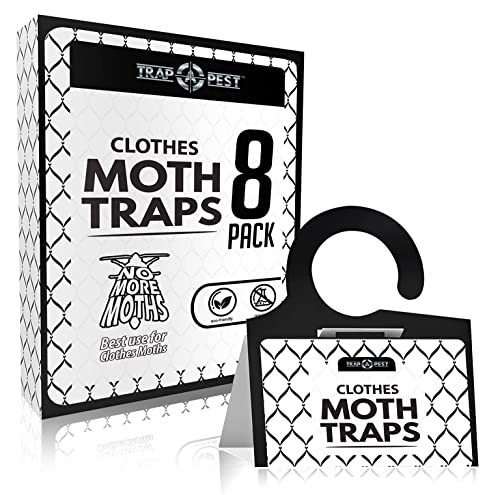
Use a combination of targeted traps, fabric-safe repellents, and a proactive cleaning routine. Place an indoor pheromone moth trap for clothes moths in areas with concentrated activity, apply moth repellent spray for fabrics room to fabrics and walls, and consider a plug-in ultrasonic moth repeller to deter moths from evolving into a full infestation. Regular vacuuming and sun exposure on affected items complete the plan.
What You’ll Need
- Indoor pheromone moth trap for clothes moths
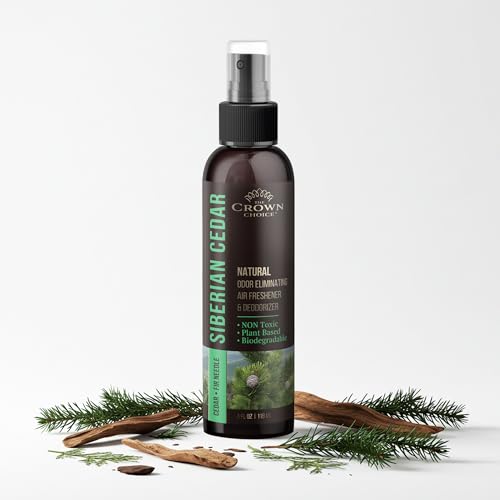
- Moth repellent spray for fabrics room
- Plug-in ultrasonic moth repeller
- Vacuum cleaner with hose attachment
- Light laundry detergent and sanitizing spray
- Sealed storage containers or garment bags
- Trash bags and lint roller or sticky lint remover

Before You Start
Assess the room to identify hotspots where moths or larvae might hide, such as closets, under furniture, and between fabric folds. Read product labels before use and ensure electrical devices have dry, clean outlets. Plan a cleaning window of a few hours and keep fabrics inaccessible to children and pets during treatment. If you have sensitive fabrics or an allergy-prone environment, test repellents on a hidden area first.
Step-By-Step: How To Get Rid Of Moths In A Room
- Inspect all textiles and storage areas for larval damage, webbing, or shed skins. Separate affected items from clean ones.
- Vacuum thoroughly: upholstery, shelves, closet floors, and any fabric folds. Immediately empty the vacuum canister into a sealed bag.
- Apply moth repellent spray for fabrics room to fabric surfaces, ensuring even coverage on curtains, cushions, and closet interiors. Avoid spraying on delicate items without care instructions.
- Set up the indoor pheromone moth trap for clothes moths in corners and suspected routes of moth movement to attract and capture adults.
- Use the plug-in ultrasonic moth repeller in a central location where it won’t be blocked by furniture and will cover the main living area.
- Wash or dry-clean infested items when possible. For delicate fabrics, use cold water and gentle cycles or follow care labels.
- Store clean textiles in sealed containers or garment bags, and consider adding cedar blocks or lavender sachets as a supplementary repellent for long-term protection.
- Dust and wipe down shelves, drawers, and closet rods to remove eggs and larvae hiding in cracks.
- Rotate and refresh traps weekly as part of ongoing monitoring, especially in peak moth activity seasons.
- Monitor activity for 2–6 weeks, repeating treatments as needed, and escalate to professional help if damage increases or populations persist.
- Maintain a regular cleaning schedule and avoid keeping heavy, undisturbed fabric piles for extended periods.
- Evaluate success by reduced sightings and fewer signs of larval damage; adjust placement of traps and sprays if needed.
Troubleshooting
| Symptom | Likely Cause | Fix | Prevention |
|---|---|---|---|
| Continued moth sightings after treatment | Hidden eggs or larvae in untreated areas | Re-scan room, extend spray to new areas, refresh traps | Regular cleaning and storage controls |
| Fabric smells or stains after spray | Overapplication on delicate fabrics | Rinse or wash affected items if safe | Spot-test in a hidden area first |
| Trap not capturing moths | Low moth activity or trap placed too far | Move trap closer to suspected activity zones | Use multiple traps for coverage |
| No improvement with plug-in repeller | Limited reach or incompatible room layout | Relocate or supplement with additional units | Combine with traps and cleaning |
| Visible larvae in clothing | Recent exposure to infested textiles | Immediately bag infested items and launder or dry-clean | Inspect new fabrics before bringing them home |
Common Mistakes
- Overlooking closets, under-bed spaces, and back of shelves
- Relying on a single method; moths adapt to one approach
- Spraying heavily on delicate fabrics without testing compatibility
- Skipping regular monitoring after initial treatments
Tips For Best Results
- Pair pheromone traps with regular vacuuming and item laundering for best effectiveness.
- Keep room temperature steady; extreme heat or cold can affect moth behavior and fabric care labels.
- Use sealed storage for off-season textiles to prevent re-infestation.
- Schedule periodic checks, especially after moving or shopping for secondhand items.
- Rotate trap placement seasonally to intercept new moth pathways.
Call A Professional
Seek professional help if moth activity persists after 8–12 weeks, if there is extensive fabric damage, or if multiple rooms are affected. Signs to stop DIY efforts and contact a pro include large-scale infestations, allergies to spray products, or uncertain fabric values in the home.
FAQ
What fabrics are most vulnerable to clothes moths?
The most at-risk fabrics include wool, cashmere, silk, fur, and blended wool blends commonly used in coats, sweaters, and blankets.
How long does it take to see results from moth control methods?
Initial effects can appear within a few days, but full control often takes 2–6 weeks with consistent monitoring.
Can I use moth traps around pets and kids?
Place traps in out-of-reach locations and follow label directions to ensure safety for children and pets.
Are there natural alternatives to sprays?
Natural options like cedar storage, lavender sachets, and frequent airing can supplement chemical methods but are typically less immediate in effect.
Should I discard heavily infested items?
Items with severe larval damage may need replacement; salvageable pieces should be cleaned, treated, and stored properly to prevent re-infestation.
Buying Guide
When choosing products to combat moths, consider size of the space, typical fabric types, and how quickly you want results. A well-rounded kit typically includes traps, a fabric-safe repellent spray, and a plug-in ultrasonic device. Look for products with clear directions, pet- and child-safe warnings, and compatibility with fabrics you own. Compare how many traps are included, coverage area for the ultrasonic unit, and spray compatibility with common textiles. Durability, replaceable parts, and warranty can influence long-term value.
Key buying factors:
- Size and coverage: Room dimensions determine trap quantity and repeller reach. Opt for solutions that cover larger spaces or multiples for open-plan layouts.
- Noise level: Ultrasonic devices should operate quietly to avoid disturbance, especially in bedrooms and living rooms.
- Energy efficiency: Plug-in devices with energy-saving modes reduce ongoing costs.
- Controls: User-friendly controls and clear labels help ensure correct use and safety.
- Placement flexibility: Traps and repellents should be easy to mount or place in closets, shelves, and corners.
For best results, choose a combination of a pheromone trap, a fabric-safe spray, and an ultrasonic repeller designed for room use. This multi-faceted approach helps address adult moths, larvae, and hidden eggs, reducing the chance of recurrence.
Leave a Reply