How to Get Rid of Morning Fog on Windshield
Moggy glass fog on the windshield can reduce visibility and safety during early drives. This guide walks American drivers through practical steps to prevent and remove condensation, using common products and simple techniques that fit a busy morning routine.
By following a structured approach—prevention, cleaning, and maintenance—drivers can minimize fogging without expensive tools. The focus here is on proven methods and accessible products that work in most climates and seasons.
Quick Answer
Prevent fogging with a dedicated anti-fog spray and a small supply of desiccant packs. Clear fog fast by using a microfiber cloth to wipe the windshield after applying the spray, and keep your interior dry with desiccants to reduce humidity buildup.
What You’ll Need
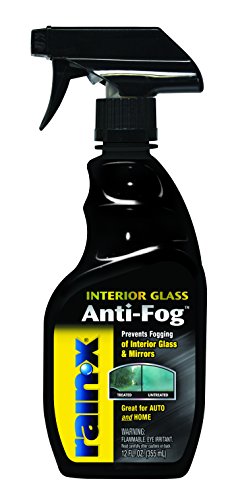
- Anti-Fog windshield spray for cars 12 oz – everyday application to reduce condensation
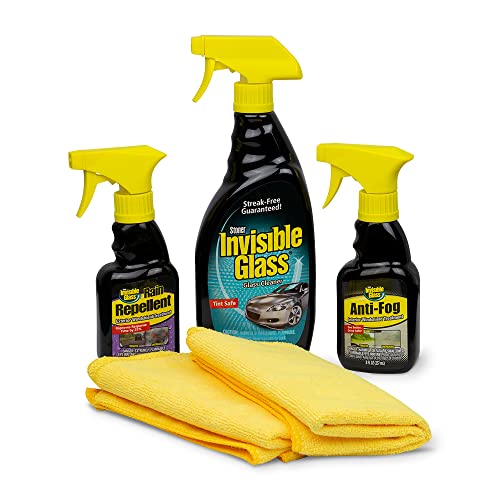
- Microfiber glass cleaning cloth for windshield anti-fog kit – for streak-free wiping and polishing
- Car interior dehumidifier desiccant packs for windshield fog prevention – helps absorb interior moisture
![Gizmolet 500g [1.1 lb]Reusable Car Dehumidifier - Leak-proof Desiccant Packs for Storage, Silica Gel Desiccant Packets, Fast Reactivated Rechargeable, Moisture Absorbers for Storage Car Closet Safe](https://m.media-amazon.com/images/I/41oRtn0M8aL._SL500_.jpg)
Before You Start
Preparation matters. Park in a dry, shaded area when possible and ensure windows are closed before applying any product. Read the product labels to confirm compatibility with automotive glass. Allow sufficient drying time after applying anti-fog spray before driving. Important safety note: avoid mixing cleaners or applying near heat or windshield wipers mid-application. Keep away from children and pets.
Step-By-Step: How To Get Rid Of Morning Fog On Windshield
- Start with a clear, dry windshield. Wipe away any visible moisture using a clean microfiber cloth.
- Shake or lightly agitate the Anti-Fog windshield spray for cars 12 oz according to label directions.
- Apply a thin, even coat to the interior surface of the windshield. Use straight, overlapping strokes from the top to bottom.
- Allow the spray to dry for the time specified on the label. Buff any haze with a dry microfiber cloth for a streak-free finish.
- Wipe down the glass again with the microfiber glass cleaning cloth to remove residue and maximize effective coverage.
- Place car interior dehumidifier desiccant packs in the cabin or under the seat to reduce humidity levels inside the vehicle.
- Turn on climate controls to balance interior and exterior air. Use a defog/defrost setting combined with a low to moderate fan speed.
- Keep interior temperatures stable, as rapid changes can reintroduce fog. If fog returns, reapply the anti-fog spray following the label’s guidance.
- Inspect for any streaks or smudges. Re-clean those areas with the microfiber cloth and reapply spray if necessary.
- Regularly replace desiccant packs as they lose moisture-absorbing efficiency over time.
- Develop a routine: apply anti-fog spray once a week or as advised, especially during humid or rainy periods.
- When driving, avoid using chemical cleaners on the glass that could leave residues impacting visibility.
Troubleshooting
| Symptom | Likely Cause | Fix | Prevention |
|---|---|---|---|
| Fog returns within minutes | Insufficient spray coverage or high humidity | Reapply a thin coat evenly; ensure ventilation settings are appropriate | Use desiccant packs and maintain interior dryness |
| Streaky or smeared glass after cleaning | Residue left on glass | Re-wipe with a clean microfiber cloth and reapply spray | Use a dedicated microfiber cloth and avoid abrasive wipes |
| Fogging only on one section of windshield | Uneven spray or damaged seal | Reapply to the affected area; inspect window seals for leaks | Professional seal check if persistent |
| Desiccant pack is damp quickly | Insufficient interior ventilation or oversized moisture source | Increase air circulation; add more desiccants if needed | Limit moisture sources inside the vehicle |
Common Mistakes
- Over-spraying and leaving a film on the glass
- Skipping pre-cleaning before applying anti-fog spray
- Relying solely on the climate control without addressing interior humidity
- Ignoring desiccant replacement timelines
Using a clean, dedicated microfiber cloth helps avoid fine scratches and ensures the anti-fog coating remains effective over time.
Tips For Best Results
- Clean the windshield regularly to remove oil and dust that can hinder anti-fog performance.
- Apply the spray in a well-ventilated area and allow full drying before driving.
- Keep interior humidity low by parking in shaded spots and using desiccants during wet months.
- Combine anti-fog treatment with proper climate control settings: defog mode, moderate fan speed, and balanced temperature.
Call A Professional
Consider professional help if fogging persists after repeated anti-fog applications, or if you notice persistent fog along edges, cracks, or near seals. If there is visible condensation between double-pane glass in a vehicle, stop driving and seek service. For mismatched seals or windshield damage, contact an automotive glass technician.
FAQ
Will anti-fog spray harm my windshield wipers or tint?
Most formulations are designed for automotive glass and should not harm wipers or tint when used as directed.
How often should I reapply anti-fog treatment?
Follow the product label, but in humid seasons, reapply every few weeks or as needed.
Can I use regular cleaners to prevent fogging?
Regular cleaners may leave residues; dedicated anti-fog sprays are recommended for best results.
Do desiccants affect car electronics?
Desiccants inside the cabin pose no risk to electronics when placed away from vents and wiring; ensure proper placement.
What temperature range is best for anti-fog performance?
Most anti-fog products work across typical in-car temperatures; extreme heat or cold does not typically improve performance.
Is it necessary to ventilate while applying anti-fog spray?
Yes, apply in a well-ventilated area to avoid inhaling fumes and to ensure proper drying.
Buying Guide
Choosing the right anti-fog solution and related accessories involves several factors. Consider the size and coverage of the windshield spray, the reliability of microfiber cloths, and the effectiveness of desiccants in your climate. The Anti-Fog windshield spray for cars 12 oz offers a practical size for regular use. Look for a kit that includes a high-quality Microfiber glass cleaning cloth for windshield anti-fog kit to ensure clean application and maintenance. For humid environments, Car interior dehumidifier desiccant packs for windshield fog prevention can provide ongoing moisture control. Evaluate ease of use, drying time, and how well the products work together to minimize fog on winter mornings or rainy days.
Size and ventilation within the vehicle influence performance. Is the spray easy to carry in a glove box? Does the cloth stay lint-free after multiple uses? Are desiccant packs compact enough to fit under a seat or in a door pocket? For power users, a combined kit that balances spray, cloth, and desiccants can save time during rush-hour mornings.
Noise level and energy efficiency are less relevant for these products, but consider how often you’ll use them. If fogging is a frequent problem, you may benefit from a consistent routine and a compact storage setup. Placement matters: keep desiccants away from direct heat sources and ensure the windshield area remains accessible for quick cleaning. By balancing these factors, drivers can select a kit that fits their vehicle type, climate, and daily commute.
Leave a Reply