How to Get Rid of Mop Smell
Mops and cleaning routines can leave behind stubborn odors if not addressed properly. This guide walks through practical, proven steps to neutralize mop-related smells, keep your floors fresh, and reduce lingering mildew notes in your cleaning routine. By following these steps, you can maintain a clean, inviting space without harsh scents masking the issue.
Odor control isn’t just about masking the smell; it’s about eliminating the source and maintaining a hygienic cleaning process. The methods below emphasize safe products and proven techniques that work with common mop setups found in American homes.
Quick Answer
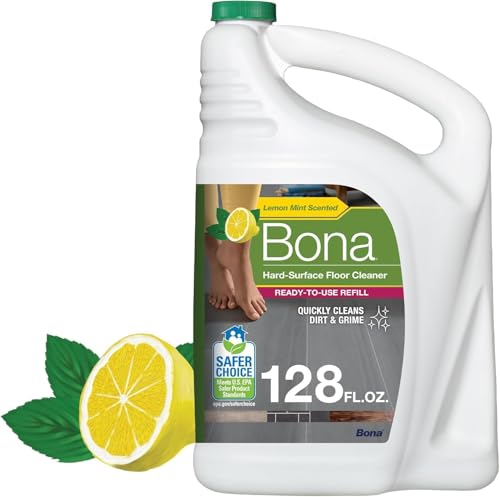
Most effective quick fix: thoroughly rinse and wring the mop, use a dedicated odor-neutralizing solution on the mop head and bucket, and air-dry completely after cleaning. For ongoing control, rotate between a mop odor eliminator spray 32 oz and microfiber mop cleaning solution odor neutralizer to keep smells from returning.
What You’ll Need
- Mop odor eliminator spray 32 oz
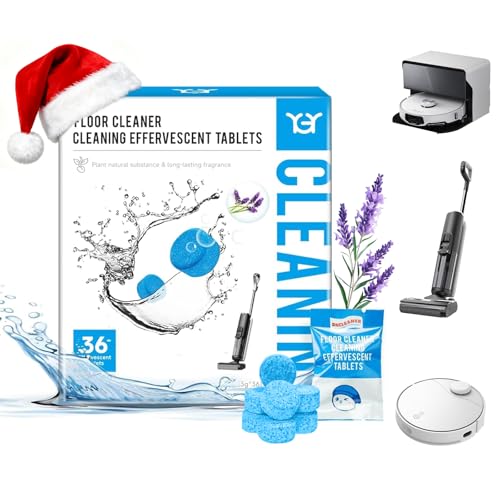
- Mop bucket deodorizer tablets for cleaning
- Microfiber mop cleaning solution odor neutralizer
- Clean, dry storage area
- Gloves and ventilation for safe cleaning

Before You Start
Clear the cleaning area of furniture or fragile items. Prepare a well-ventilated space to avoid inhaling concentrated cleaners. Have a spare bucket or basin for soaking mop heads. Time estimate: 20–40 minutes for a thorough refresh, plus air-drying time. Critical cautions: never mix cleaning products unless the label explicitly allows it, and avoid prolonged exposure to strong chemicals. Ensure the mop and bucket are completely dry before storage to prevent mold growth.
Step-By-Step: How To Remove Mop Smell
- Remove and rinse: Take the mop head off and rinse it under running water to remove surface dirt and residue. Squeeze firmly to remove as much moisture as possible.
- Pre-soak with odor neutralizer: In a bucket, mix a small amount of microfiber mop cleaning solution odor neutralizer with warm water. Soak the mop head for 10–15 minutes to loosen lingering odors.
- Rinse again: Thoroughly rinse the mop head to remove any remaining cleaning solution. Wring until barely damp.
- Clean the bucket: Empty the bucket and scrub with hot water and a mild cleaning agent. Rinse well to prevent odor transfer.
- Apply odor eliminator spray: Lightly mist the mop handle, head, and exterior of the bucket with mop odor eliminator spray 32 oz. Let air-dry completely before reassembly.
- Use deodorizing tablets: Place mop bucket deodorizer tablets for cleaning in the bucket according to product instructions. This helps prevent odor buildup during future uses.
- Deep dry storage: Store mop heads in a dry, ventilated area away from damp corners. Avoid leaving a wet mop in the bucket overnight to prevent mildew growth.
- Regular maintenance rinse: After each use, rinse and wring the mop head, then mist with a light spray of odor eliminator before storage.
- Rotating products: Alternate between the mop odor eliminator spray and the microfiber mop cleaning solution odor neutralizer to maintain freshness over time.
- Check for mold in the bucket: If you detect persistent odor, inspect for mold growth inside the bucket and replace if necessary.
- Seasonal refresh: Periodically wash mop heads in hot water with a mild detergent and air-dry completely to prevent odor recurrence.
Troubleshooting
| Symptom | Likely Cause | Fix | Prevention |
|---|---|---|---|
| Mop still smells after washing | Residual odor or mold in mop head | Replace mop head, rewash with odor neutralizer | Dry thoroughly after each use |
| Bucket retains bad odor | Water stagnation or residue | Clean bucket, use deodorizer tablets, rinse after use | Empty and air-dry bucket between uses |
| Spray scent fades quickly | Low product concentration | Apply more liberally or switch to a stronger odor eliminator | Store product in a cool, dry place |
| Mold growth in mop storage area | Humidity or damp environment | Increase ventilation, add a dehumidifier if needed | Keep area dry and sanitize regularly |
Common Mistakes
- Leaving a wet mop in the bucket overnight
- Using the wrong ratio of cleaning solution in the soak
- Relying on a single product instead of a routine
- Ignoring visible mold or mildew on mop heads or buckets
Tips For Best Results
- Rinse thoroughly and wring until dry to prevent damp storage odors.
- Use a dedicated odor neutralizer specifically designed for mops and buckets.
- Regularly replace mop heads and reduce moisture buildup by air-drying.
- Label and keep cleaning solutions separate from food areas for safety.
Call A Professional
If you notice persistent, sour, or chemical-like odors that do not improve with routine cleaning, or if you suspect mold growth beyond your control, contact a professional cleaning service. Seek urgent help if any household member has respiratory sensitivity or if the odor is accompanied by visible growth or unusual staining.
FAQ
Can I use bleach to remove mop odors?
Bleach can kill odors but may be harsh on mop materials. Use only as directed and in a well-ventilated area; consider safer odor neutralizers designed for mops first.
How often should I replace mop heads?
Replace mop heads every 3–6 months with regular use, or sooner if frayed or discolored.
Is it necessary to dry the mop completely after cleaning?
Yes. Thorough drying prevents mold and keeps odors from returning.
What if the odor returns after a few days?
Reassess storage conditions and consider a deeper clean cycle with odor-neutralizing agents and a full bucket refresh.
Buying Guide
When choosing products to combat mop odors, consider several factors to ensure effective, long-lasting results:
- Size and concentration: Larger bottles provide longer-lasting use, but ensure the product is suitable for frequent mop maintenance.
- Odor elimination capabilities: Look for products labeled as odor neutralizers or deodorizing sprays designed for household mopping systems.
- Compatibility: Ensure the products are compatible with microfiber mops and common cleaning solutions to avoid residue buildup.
- Ease of use: Sprays and tablets that simplify daily maintenance help sustain freshness without extra effort.
- Safety and ingredients: Choose products with clear labeling, non-abrasive formulas, and child- or pet-safe guidelines where applicable.
- Maintenance frequency: Consider how often you typically mop and store mops to determine how often you’ll need replacements.
- Noise and environmental impact: Some products offer low-toxicity formulations and quieter, user-friendly application methods.
For most households, a combination of a mop odor eliminator spray and a microfiber mop cleaning solution odor neutralizer provides practical, reliable control. The mop bucket deodorizer tablets help maintain freshness between deep cleans. If odors persist despite these tools, evaluate the storage area and ventilation, as well as the need to replace mop heads.
Leave a Reply