How to Get Rid of Mold on Houseplant Soil
Mold on houseplant soil is a common issue for indoor gardeners. It can indicate overly damp conditions and poor airflow, but many cases are easy to address with simple adjustments and safe products. This guide provides practical steps tailored for American homes to restore soil health and keep plants thriving.
Quick Answer
Identify the mold and reduce moisture to slow its growth. Topical mold removers for potted plants soil can help when surface mold is present, while improving drainage and air flow stops it from returning. Use a soil moisture meter for houseplants to monitor wetness and adjust watering. If mold recurs, consider sterilizing the potting area with a dedicated tool.
What You’ll Need
- Mold remover for potted plants soil or a natural alternative like cinnamon or hydrogen peroxide (3%)
- Potting soil sterilizer tool for targeted treatment or small areas
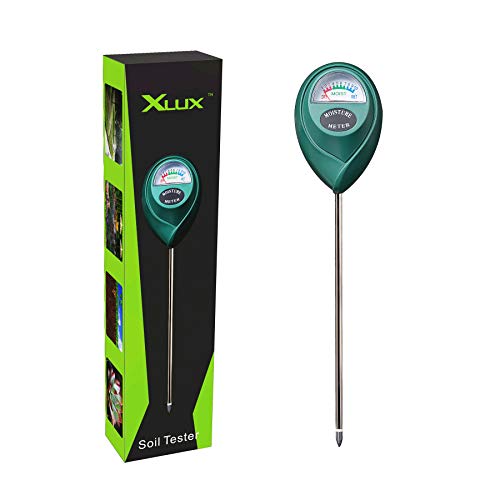
- Soil moisture meter for houseplants to track moisture levels
- Fresh, well-draining potting mix
- Containers with drainage trays

Before You Start
Prepare a clean workspace and monitor for mold recurrences. Wear gloves when handling moldy soil and wash hands afterward. Assess each plant’s needs: repot only if root rot is absent and the plant shows healthy growth potential. Plan to work in a well-ventilated area to keep indoor air fresh and reduce lingering spores. Time estimate: 30–90 minutes for a typical single-plant cleanup, longer for multiple plants.
Step-By-Step: How To Get Rid Of Mold On Houseplant Soil
- Remove the plant from its pot and gently shake off excess soil from the roots.
- Inspect roots for rot; trim any soft, dark roots with clean scissors and discard damaged material.
- Replace the potting soil with fresh, well-draining mix. Leave a thin layer of existing soil at the bottom as a starter if it’s not moldy.
- Apply mold remover for potted plants soil to the top layer, following label directions for safe use (or skip if using natural alternatives).
- Rinse the pot with warm water to remove spores, then wipe dry before replanting.
- Place the plant back in the pot and water sparingly. Use a soil moisture meter for houseplants to ensure soil stays just damp, not soggy.
- Set the plant in a brighter, but indirect-light spot to promote drying and stronger growth.
- Increase air circulation around the plant by spacing pots and using a small fan if needed.
- Monitor weekly for new mold; when moisture levels are balanced, reduce misting and avoid overwatering.
- If mold returns, re-evaluate watering habits, improve drainage, and consider a second round of soil treatment with the appropriate product.
- Keep a regular schedule for soil checks and consider replacing problematic soil layers every 2–3 months.
- For persistent mold, repot with sterilized tools and consider a more thorough sterilization approach.
Troubleshooting
| Symptom | Likely Cause | Fix | Prevention |
|---|---|---|---|
| White fuzzy growth on surface | Overwatering and poor airflow | Reduce watering; increase air movement | Use moisture meter; ensure containers have drainage |
| Darkened, slimy roots after repot | Root rot from excess moisture | Trim rot, use fresh soil, improve drainage | Water less; ensure pot has drainage holes |
| Sporadic mold returns after weeks | Constant high humidity | Improve ventilation and adjust watering schedule | Group plants with similar moisture needs |
| Soil dries too quickly | Soil lacking organic matter or proper texture | Replace with a well-draining mix with organic matter | Mix in perlite or orchid bark for aeration |
Common Mistakes
- Overwatering while mold is present
- Using dirty tools that spread spores
- Ignoring drainage issues in pots
- Relying solely on chemical mold removers without addressing moisture
- Reusing moldy soil without sterilization
Tips For Best Results
- Test soil moisture regularly with a soil moisture meter for houseplants and water only when the top inch is dry.
- Choose a well-draining potting mix and consider adding perlite to improve drainage.
- Improve airflow by spacing pots and using a small fan in the room, especially in humid spaces.
- Label treated pots to avoid cross-contamination and reuse soil only after proper sterilization.
- Keep planting area clean and dry between plant care sessions to minimize mold reoccurrence.
Call A Professional
Seek professional help if mold covers a large number of plants, if you notice persistent root rot after multiple repots, or if indoor air quality concerns rise. Symptoms like widespread plant decline, persistent musty odors, or allergic reactions warrant expert assessment and possible remediation strategies beyond at-home care.
FAQ
What is the best way to remove mold from potting soil?
Use a mold remover specific for potted plants soil, follow label directions, and allow the soil to dry before rewatering.
How can I prevent mold from coming back after cleaning?
Improve drainage, reduce watering frequency, and increase air circulation; use a soil moisture meter to maintain balanced moisture.
Is it safe to use natural remedies for mold on soil?
Yes, some natural options like cinnamon or hydrogen peroxide can help surface mold, but ensure they don’t harm plant roots and follow safe concentrations.
When should I repot a plant due to mold?
Repot if mold recurs after cleaning and moisture adjustments, especially if roots show signs of rot or if the soil remains consistently damp.
Buying Guide
Choosing the right tools and products helps prevent mold and keeps houseplants healthy. Consider size, noise level, energy efficiency, controls, and placement when selecting equipment and supplies.
- <bSoil moisture meter for houseplants: Look for a responsive probe, clear readings, and a comfortable display. A dual-channel meter can help compare multiple pots.
- Mold remover for potted plants soil: Prefer products that are safe for indoor use, effective at surface dust, and compatible with your plant types.
- Potting soil sterilizer tool: Choose lightweight, durable tools with protective covers for safe handling and precise application.
- Drainage-friendly pots and saucers that prevent waterlogging
- Well-draining potting mix with appropriate organic content
Thinking about placement? Consider rooms with better air circulation and sunlight. A quick, practical plan is to test moisture weekly, adjust watering, and observe plant responses over a few weeks. If mold issues persist, re-evaluate the overall plant care routine and consider professional input for stubborn cases.
Leave a Reply