How to Get Rid of Moisture in the Bathroom
Moisture buildup in bathrooms is common due to daily showers, baths, and high humidity. Properly reducing excess moisture can prevent mold growth, keep surfaces dry, and improve indoor air quality. This guide provides practical steps, tools, and safety tips to effectively manage bathroom humidity.
The following sections offer a clear, actionable plan to address moisture using accessible devices and everyday habits. Whether you’re tackling a persistent damp issue or adopting preventative measures, readers will find a practical approach tailored to American homes.
Quick Answer
To quickly reduce bathroom moisture, use a combination of a dehumidifier or desiccant, a digital humidity monitor to track levels, and routine ventilation. Run a dehumidifier or open a window during and after showers, place a calcium chloride moisture absorber when humidity spikes, and check humidity with a bathroom hygrometer to keep levels below about 40–50% relative humidity for comfort and mold prevention.
What You’ll Need
- Portable bathroom dehumidifier 1500ml reservoir digital control
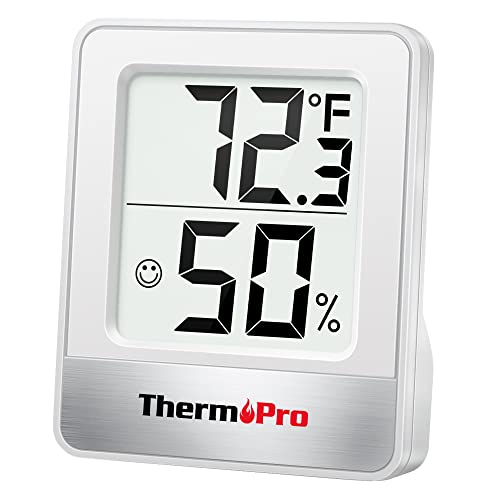
- Digital hygrometer bathroom humidity meter with temperature real-time display
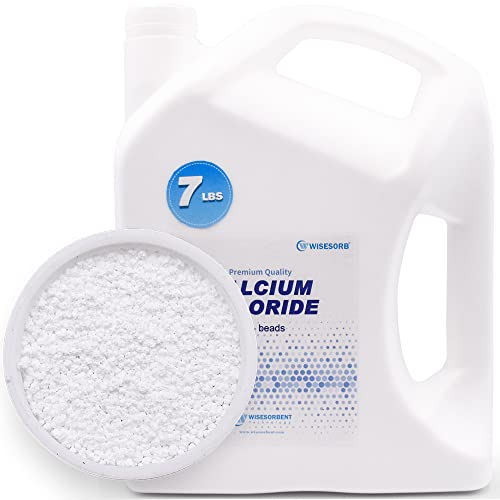
- Calcium chloride moisture absorber bag bathroom 1lb

Before You Start
Before reducing moisture, identify sources such as leaks, poor ventilation, or inadequate sealing. Clear a path for airflow and consider temporarily increasing ventilation during peak moisture times. Time estimates vary by space, but plan for 30–60 minutes of setup and ongoing daily use. Safety note: unplug electrical devices before inspecting or cleaning, and follow manufacturer instructions for any moisture-control product.
Step-By-Step: How To Get Rid Of Moisture In The Bathroom
- Measure current humidity with the digital hygrometer to establish a baseline.
- Open the bathroom door or window to improve cross-ventilation during and after showers.
- Turn on the portable bathroom dehumidifier to extract moisture from the air; set the reservoir to collect condensate and monitor the water level.
- Place a calcium chloride moisture absorber near the shower or in corners where humidity concentrates; replace when it slows absorbing.
- Wipe down wet surfaces after use to remove excess moisture on tiles, mirrors, and fixtures.
- Use a squeegee on shower walls to reduce water droplets that evaporate into the air.
- Run exhaust fans at high speed during showers and for at least 15–30 minutes afterward if available.
- Check seals around doors, windows, and cabinets for gaps; seal leaks with appropriate weatherstripping or caulk to prevent moisture intrusion.
- Schedule regular humidity checks with the hygrometer to maintain levels in the target range (roughly 40–50% RH).
- Replace or refresh dehumidification materials as needed, and adjust device settings based on humidity readings.
- If humidity remains high after these steps, consider consulting a professional to inspect ventilation ducts or structural issues.
- Maintain a routine: daily quick wipe-downs, weekly vent checks, and monthly replacement of desiccants if used.
Troubleshooting
| Symptom | Likely Cause | Fix | Prevention |
|---|---|---|---|
| humidity stays high despite dehumidifier | Insufficient ventilation or device capacity | Increase dehumidifier size or run time; add a second unit if needed | Keep exhaust fans on during and after showers |
| Persistent mold in corners or grout | Moisture trapped in hidden areas | Address leaks; use mold-resistant sealants; dry surfaces thoroughly | Regular cleaning and humidity control |
| Mirror fogging frequently | Warm, humid air touching cool surfaces | Improve airflow; run dehumidifier or vent fan longer | Keep a small towel handy to wipe mirrors |
| Calcium chloride bags lose effectiveness quickly | Over-saturation or improper placement | Replace as recommended; place bags away from direct water spray | Place in corners or high-hrequency humidity zones |
Common Mistakes
- Relying on a single moisture-control method without ventilation
- Ignoring door and window seals that let humid air flow in
- Using dehumidifiers without regularly emptying the reservoir
- Forgetting to monitor humidity levels with a hygrometer
Mindful use of the right tools in combination with good habits reduces moisture buildup and protects bathroom surfaces over time.
Tips For Best Results
- Place the hygrometer away from direct water sources to get an accurate reading
- Set the dehumidifier to a target relative humidity around 40–50% for comfortable air
- Schedule venting during peak humidity times (hot showers, long baths)
- Keep towels and bath mats dry to minimize damp surfaces
- Combine desiccants with active ventilation for best results in small bathrooms
Call A Professional
Call a professional if you notice ongoing water intrusion, persistent mold despite humidity control, or signs of hidden leaks behind walls. Stop signs include ongoing damp patches, musty odors that persist after cleaning, and damp drywall or wood rot. A pro can assess ventilation systems, seal integrity, and potential structural concerns.
FAQ
How do I know if my bathroom humidity is too high?
Use a digital hygrometer to monitor relative humidity; aim for about 40–50% RH during daily use and peak humidity after showers.
Can a portable dehumidifier replace ventilation?
Not entirely; dehumidifiers help but should be used with proper ventilation, such as exhaust fans or window opening, for best results.
How often should I replace calcium chloride moisture absorbers?
Check the product guidelines, typically every few weeks to a couple of months depending on humidity levels.
What if I have a small bathroom without a window?
Use a high-capacity portable dehumidifier, an effective exhaust fan, and consider calcium chloride desiccants to manage humidity.
Is mold growth dangerous?
Mold can affect air quality and health; address moisture quickly and consult a professional for persistent mold.
Buying Guide
When choosing moisture-control tools for a bathroom, consider key buying factors to fit space, usage, and climate. Size and capacity matter: pick a portable dehumidifier with an adequate reservoir and humidity controls for the bathroom size. Noise level is important in living spaces; look for quiet operation if the bathroom is near bedrooms. Energy efficiency reduces running costs, especially in climate zones with high humidity. For monitoring, choose a digital hygrometer with temperature display for real-time readings. Placement matters—position dehumidifiers away from direct water spray and ensure cords and outlets comply with safety codes. Desiccants like calcium chloride moisture absorbers offer a low-tech option for quick humidity relief in corners or cabinets. Finally, consider integration with existing ventilation, such as exhaust fans or wall vents, to maintain consistent humidity control across daily use. Weigh reliability, warranty, and ease of replacement parts to ensure long-term performance in American homes.
Leave a Reply