How to Remove Microwave Odors With Baking Soda
Microwave odors can linger long after cooking, especially if strong-smelling foods are reheated. Baking soda is a simple, budget-friendly way to neutralize smells without harsh chemicals. This guide explains practical steps to use baking soda effectively, including ready-made kits and reusable deodorizer options.
The method emphasizes safety, proper prep, and easy maintenance to keep your microwave smelling fresh between cleanings. Readers can adapt the steps for different appliance sizes and noise levels, ensuring a quick, unobtrusive cleanup.
Quick Answer
Best quick fix: Use a baking soda microwave cleaner kit or a baking soda solution to absorb and neutralize odors, followed by a dry deodorizer tray for ongoing freshness.
What You’ll Need
- baking soda microwave cleaner kit
- microwave odor remover baking soda solution
- baking soda microwave deodorizer tray


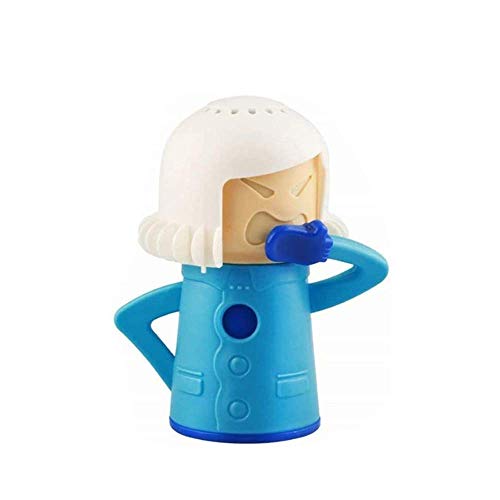
Before You Start
Remove the turntable and any detachable parts before cleaning. Wipe surfaces with a damp cloth to remove loose debris. For safety, unplug the microwave during cleaning. Time estimate: 15–30 minutes for a full deodorizing session, plus ongoing maintenance scheduled weekly or biweekly.
Caution: Do not submerge the microwave or its electrical components. If odors persist after multiple cleans, consider deeper deodorizing steps or professional service.
Step-By-Step: How To Use Baking Soda For Microwave Odors
- Empty the microwave and remove the turntable for thorough access.
- Mix a solution of baking soda and water in a small bowl until it forms a loose paste for stubborn spots, or opt for a ready-made microwave odor remover baking soda solution.
- Apply the paste or solution to a soft, non-scratchable cloth and wipe the interior walls, ceiling, and door gasket.
- Fill a microwave-safe bowl with water and a few tablespoons of baking soda; place it inside the microwave and heat on high for 3–5 minutes until steam forms.
- Carefully remove the hot bowl, Then wipe away loosened residue with a clean cloth.
- Place a baking soda microwave deodorizer tray inside when not actively cooking; swap or refresh every few weeks to maintain freshness.
- Rinse the interior with a damp cloth to remove any remaining baking soda residue.
- Dry all surfaces completely before reassembling the turntable and closing the door.
- If odors persist, repeat the steaming step with a fresh baking soda solution or consider a dedicated kit designed for lasting odor control.
- For ongoing maintenance, periodically replace or refresh the deodorizer tray and keep the interior dry after use.
- Test with a simple reheated water-only cycle to confirm there are no lingering smells after cleaning.
Troubleshooting
| Symptom | Likely Cause | Fix | Prevention |
|---|---|---|---|
| Persistent sour or burnt smell | Residue stuck on walls | Re-clean with baking soda paste and repeat steam cycle | Wipe after heavy tasks; use deodorizer tray between uses |
| Smell returns after short time | Inadequate deodorizer exposure | Reinstate deodorizer tray; use larger baking soda surface | Keep interior dry; avoid leaving standing moisture |
| Steam causes discoloration | Excessive heat on sensitive surfaces | Use a lighter cleaning cloth and shorter steam cycle | Test small area first |
| Residue on food after cleaning | Baking soda not fully rinsed | Rinse thoroughly with a damp cloth | Always wipe dry after cleaning |
Common Mistakes
- Using abrasive cleaners or harsh chemicals inside the microwave.
- Forgetting to unplug the unit during cleaning.
- Not removing the turntable or neglected corners where odors hide.
- Rushing the steam cycle without monitoring; overheating can damage surfaces.
Careful handling of water and baking soda avoids residue that transfers to food. Regular maintenance with the deodorizer tray reduces recurring smells.
Tips For Best Results
- Use baking soda microwave cleaner kit products designed for surface safety and odor neutralization for a more convenient clean.
- After every heavy odor event, run a steam cycle with a baking soda solution to reset the interior fresh scent.
- Keep the deodorizer tray in place when the microwave is idle to maintain a neutral environment.
- Label and track when you refresh baking soda supplies to avoid stale compounds.
Call A Professional
Call a professional if the microwave emits unusual noises, overheating, or if persistent odors continue after repeated treatments. Seek expert evaluation for potential gasket damage, vent blockages, or internal component issues that affect safety.
FAQ
Can baking soda damage the microwave interior?
When used as directed with non-abrasive cloths and food-safe water, baking soda is gentle and safe for interiors.
How often should I deodorize my microwave?
For regular home use, a quick weekly wipe and a monthly deodorizing cycle work well.
Is a baking soda solution better than plain water?
Yes, a baking soda solution helps neutralize odors more effectively than water alone.
Can I use lemon or vinegar with baking soda?
Avoid mixing vinegar with baking soda in the microwave; it can create a strong fizz and may not be ideal for interior surfaces. Use baking soda alone or with water for odor removal.
Buying Guide
When choosing products to help remove microwave odors, consider size, compatibility, and ease of use. Look for a baking soda microwave cleaner kit that includes pre-measured packets or a ready-to-use solution for convenience. A baking soda microwave deodorizer tray provides ongoing fragrance control without messy liquids. For odor-specific needs, select a microwave odor remover baking soda solution designed to target lingering scents. Also assess how the kit or tray fits your microwave’s interior dimensions and whether it is dishwasher-safe for easy cleanup.
Key buying factors include:
- <bSize and fit: Ensure the interior accommodates the deodorizer tray and bowls used in steam cycles.
- <bNoise level: Most odor-removal methods are silent; choose anytime-use tools that won’t conflict with kitchen activities.
- <bEnergy efficiency: Cleaning cycles add minimal energy use; prefer methods that complete quickly to save energy.
- <bControls: Simple, user-friendly kits with clear instructions reduce misuse risks.
- <bPlacement: Tray or kit should sit securely on the turntable or bottom surface without obstructing the door.
Multiple perspectives help: consider whether you want a disposable kit, a reusable tray, or a dedicated solution for frequent odor challenges. A combination approach—regular baking soda maintenance plus a targeted odor remover kit—often yields the best long-term results.
Leave a Reply