Natural Ways to Get Rid of Mice in Your Home
Mice can be a nuisance in any American home, especially when they invade kitchens and storage areas. This guide outlines practical, natural methods to deter and reduce mouse activity without relying on harsh chemicals. The focus is on prevention, humane options, and safe, effective strategies you can implement yourself.
Quick Answer
Combine humane trapping, natural repellents, and blockages to create a hostile environment for mice. Start with sealing entry points, set humane, reusable traps, and use essential oil blends or ultrasonic devices as supportive deterrents. Consistency and sanitation are key to success.
What You’ll Need
- stainless steel humane mouse trap reusable non-toxic
- ultrasonic mouse repeller plug-in dual speaker
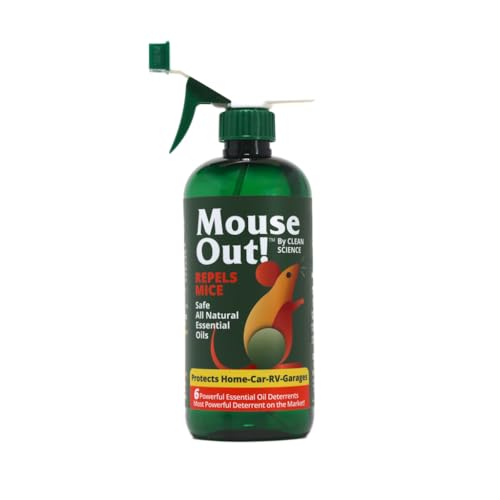
- natural mouse repellent spray essential oil blend 16 oz
- Caulk, steel wool, or mesh to seal gaps
- Trash bins with tight-fitting lids and regular cleanup
- Gloves and a small flashlight for inspections


Before You Start
Before tackling the mice, conduct a quick inspection to identify entry points and harborage areas. Seal gaps around doors, windows, pipes, and utilities using durable materials like steel mesh or copper mesh screen. Vacuum and wipe down surfaces to remove food residues that attract mice. Time estimates vary by home size and severity but plan for several days to a couple of weeks of consistent effort. Important cautions: avoid using highly toxic chemicals indoors, and keep children and pets away from traps and repellents until you’re confident in placement and safety.
Step-By-Step: How To Use Natural Methods To Deter Mice
- Identify active zones by looking for droppings, gnaw marks, and trap signs during evening checks.
- Seal the entry points first. Use steel wool and sealant to close cracks around pipes, walls, and baseboards to prevent new mice from entering.
- Set stainless steel humane mouse trap reusable non-toxic traps along walls where droppings are frequent, ensuring the open end faces likely travel paths.
- Install a ultrasonic mouse repeller plug-in dual speaker device in areas with high activity, avoiding obstructions that mute the sound waves.
- Mix a low-odor, natural natural mouse repellent spray essential oil blend 16 oz and spray along baseboards, entryways, and behind appliances where mice hide.
- Place traps away from food preparation areas and high-traffic zones to reduce accidental triggering and improve capture success.
- Monitor traps at least once daily. If you catch a mouse, relocate it outdoors far from the home or follow humane release guidelines where permitted.
- Continue sanitation efforts: promptly store food in sealed containers, clean crumbs, and manage pet food to remove attractants.
- Reinforce deterrents: rotate essential oil blends or adjust ultrasonic device placements to minimize habituation by mice.
- Inspect and reseal any new gap you discover during routine checks. Mice often find new routes, so ongoing vigilance is essential.
- Maintain a routine cleaning schedule and trap maintenance, replacing or recharging devices as needed to sustain effectiveness.
- Reassess progress after two weeks. If activity persists, consider expanding trapping zones and reviewing entry points with a fresh plan.
Troubleshooting
| Symptom | Likely Cause | Fix | Prevention |
|---|---|---|---|
| Continued droppings in kitchen | New entry points or access to food | Seal gaps, store food securely, adjust trap placement | Ongoing sanitation and perimeter checks |
| Traps are set but empty | Low attractant or incorrect location | Reposition along walls, near activity hotspots | Maintain consistent baiting with humane traps |
| Ultrasonic device seemingly ineffective | Habituation or placement behind furniture | Move device, ensure line of sight and coverage | Rotate devices seasonally and monitor results |
| New gnaw marks after sealing | Alternative entry route | Inspect thoroughly and seal all gaps | Regular indoor inspections |
Common Mistakes
- Relying solely on chemicals or poisons indoors, which can pose risks to family and pets.
- Underestimating the importance of sealing entry points and sanitation.
- Ignoring trap maintenance or repositioning needs after a few days.
- Overloading traps or placing them in high-traffic, child-accessible areas.
Focus on humane, natural tactics with consistent effort. A combination of trapping, repellents, and good housekeeping yields the best results over time.
Tips For Best Results
- Place traps along walls and near suspected runways where mice travel, not in open rooms.
- Use multiple deterrents together for a synergistic effect, such as traps plus repellents and ultrasonic devices.
- Refresh essential oil blends every few days to maintain their potency and scent.
- Keep trap areas clean and free of clutter to reduce hiding spots and increase capture rates.
- Record locations and observations in a simple notebook to track progress and adjust strategies.
Call A Professional
Consider calling a pest management professional if mice reappear after two to three weeks of consistent, natural methods or if there is evidence of a large infestation. Stop signs include persistent activity despite traps, new droppings near storage spaces, or structural damage that suggests hidden nesting areas. A pro can perform a formal inspection, identify hidden entry points, and provide targeted, humane solutions.
FAQ
Do humane traps really work for mice?
Yes, when placed correctly and used consistently, humane traps can capture mice without harming them, allowing for safe release away from the home.
Are ultrasonic devices effective against all mice?
Ultrasonic devices help deter some mice but are most effective as part of a broader strategy, not as a sole solution.
Can essential oil sprays repel mice?
Natural essential oil blends can reduce appeal by masking scents and providing a deterrent, but they should complement sealing and trapping efforts.
What’s the best way to seal entry points?
Use steel wool or copper mesh in combination with durable sealants to block gaps around pipes, foundations, and utility penetrations.
How long does it take to get rid of mice naturally?
Results vary, but consistent sealing, trapping, and repellents typically show progress within a few weeks.
Should I keep traps after mice are gone?
Yes, maintain monitoring and sealing to prevent future incursions, and periodically re-check areas with lingering activity.
Is it safe to release mice outdoors?
Release guidelines vary by area; follow local regulations and avoid releasing near homes or food sources.
Buying Guide
When choosing products for a natural, humane mouse control approach, consider key factors that influence effectiveness and ease of use. Size and coverage of traps and repellents matter for your space, while noise and energy use affect daily practicality. Controls should be intuitive, and placement should fit your home layout. Compare options for long-term maintenance and humane handling to make the best choice for your household.
Typical buying considerations include the following:
- <bSize and deployment: Ensure traps and devices fit your rooms and can be placed along walls and corners where mice travel.
- <bNoise level: Ultrasonic devices vary in decibel output; select models with adjustable ranges to minimize disturbance.
- <bEnergy efficiency: Plug-in devices should have low energy use and long-lasting power.
- <bControls and maintenance: Look for simple operation, clear indicators, and easy cleaning or replacement parts.
- <bPlacement flexibility: Choose products that can be used in tight spaces, kitchens, garages, and basements without interference with pets or kids.
If you’re unsure where to start, begin with a humane trap set in known mouse paths, add a natural repellent spray for surface deterrence, and consider a plug-in ultrasonic device to extend coverage. With thoughtful setup and ongoing maintenance, a natural, humane approach can effectively reduce mouse activity without resorting to harsh chemicals.
Leave a Reply