How to Get Rid of Men’s Love Handles
Shed excess fat around the waist and sculpt the oblique muscles with a focused, sustainable plan. This guide outlines practical exercises, equipment you can use at home, and smart lifestyle adjustments to help reduce love handles over time. Consistency, proper technique, and a balanced routine are key to seeing results.
Readers will find a clear path that combines targeted workouts with full-body conditioning, plus tips to avoid common pitfalls. The approach emphasizes safety, gradual progression, and measurable progress, so improvements come steadily and safely.
Quick Answer
Consistency with a balanced calorie plan and a structured routine targeting the obliques, combined with full-body cardio and strength work, yields the best results. Use a mix of resistance training with the right tools and regular aerobic activity to reduce fat overall and tighten the midsection.
What You’ll Need
- oblique workout resistance bands set for side bending and rotational work
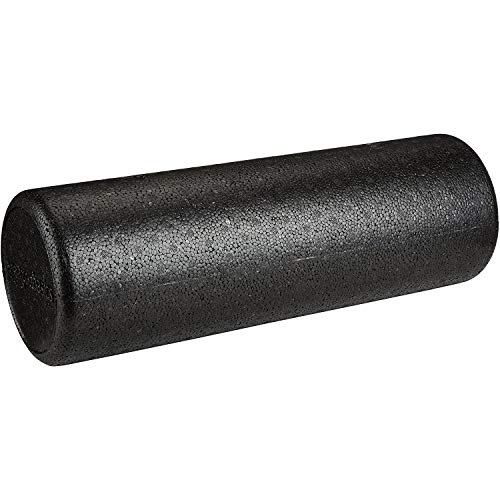
- foam roller for obliques and back to improve mobility and relieve tight hips and spine
- adjustable dumbbell set 5-50 lb for home gym for progressive strength training
- Yoga mat for comfort during floor exercises
- Heart-rate monitor or fitness app to track effort


Before You Start
Assess current fitness level and consult a healthcare professional if there are any medical concerns. Begin with a general warm-up of 5–10 minutes to raise heart rate and mobilize the torso, hips, and shoulders. Safety first: stop if you feel sharp pain, dizziness, or unusual fatigue. Plan workouts on non-consecutive days to allow recovery, and keep sessions to a reasonable duration, gradually increasing intensity as fitness improves. Prepare a clean, flat workout space free of obstructions.
Step-By-Step: How To Target Love Handles And Build Core Strength
- Warm up with 5–10 minutes of light cardio and dynamic torso twists to loosen the obliques.
- Perform side planks with a controlled tempo; start with 20–30 seconds per side and build up to 45–60 seconds.
- Use the oblique workout resistance bands set for resisted side crunches and anti-rotation presses, 2–3 sets of 10–15 reps.
- Incorporate oblique rotations with a light dumbbell or band, keeping hips stable; aim for 2–3 sets of 12–15 reps per side.
- Do a full-body circuit with adjustable dumbbell set 5-50 lb, including renegade rows, overhead presses, and goblet squats to boost calorie burn.
- Add foam-rolling sessions on muscle tight spots, especially the lats, thoracic spine, and hips, after workouts to improve mobility and recovery.
- Include cardio intervals 2–3 times weekly, such as brisk cycling or jogging, to increase fat loss without sacrificing muscle mass.
- Finish with a cooldown and static stretches focusing on the torso and hip flexors to maintain flexibility and reduce soreness.
Troubleshooting
| Symptom | Likely Cause | Fix | Prevention |
|---|---|---|---|
| No progress on waist measurements | Calorie intake too high or routine not challenging enough | Adjust diet slightly and increase resistance or cardio intensity | Track workouts and nutrition for 4–6 weeks |
| Persistent lower back tightness | Poor form or insufficient mobility | Revisit techniques, reduce load, add mobility work | Incorporate foam rolling and hip flexor stretches |
| Muscle soreness lasting >72 hours | Overtraining or inadequate recovery | Increase rest days and refine program progression | Prioritize sleep and hydration |
| Limited range of motion in obliques | Stiff thoracic spine or hips | Include thoracic mobility drills and hip openers | Consistency with mobility work |
Common Mistakes
- Relying solely on crunches or side bends; these don’t target fat loss and can strain the back
- Skipping warm-ups or cool-downs, which increases injury risk
- Using too much weight with poor form, especially in rotational movements
- Neglecting overall fat loss by not combining cardio and strength work
Tips For Best Results
- Pair workouts with a small, sustainable calorie deficit rather than drastic dieting
- Progressively overload by gradually increasing resistance, reps, or duration
- Mix compound movements (like squats and rows) with targeted oblique work
- Prioritize sleep and stress management to support fat loss and recovery
- Hydrate adequately and nourish with balanced meals rich in protein and fiber
Call A Professional
Consider professional guidance if you experience persistent pain, have a history of back problems, or want a personalized program. Seek medical advice for any recurring injuries or if you have concerns about modifying exercises due to joints or mobility issues.
FAQ
How quickly can I reduce love handles?
Results vary by body type and effort, but consistency over several weeks to months yields noticeable changes in the midsection and overall fat loss.
Is cardio essential for love-handle reduction?
Cardio supports fat loss, but combining cardio with resistance training and nutrition is most effective for tightening the waist area.
Are oblique exercises enough to trim obliques?
Targeted oblique work helps, but trimming fat requires overall fat loss through diet and full-body exercise.
Can I use household items as substitutes for equipment?
Substitutes can work temporarily, but proper equipment provides safer, more effective resistance and form.
What role does diet play in love-handle reduction?
Diet significantly influences fat loss; focus on balanced meals, protein intake, and mindful portions.
Should I work out first thing in the morning or later?
Choose a time that you can stick with consistently; consistency matters more than the specific time.
Buying Guide
When shopping for gear to support love-handle reduction, consider these factors to choose the right setup for home workouts.
Size and space: Ensure equipment fits your workout area. The adjustable dumbbell set 5-50 lb for home gym is versatile for a compact space, while resistance bands require minimal room and are easy to store.
Noise level: For apartments or shared living, choose quiet equipment or use mats and footwear that minimize noise during strength moves.
Energy efficiency: While at-home gear does not consume large amounts of energy, consider durable, well-made products that last longer and reduce the need for replacements.
Controls and adjustability: Look for simple, reliable adjustments on dumbbells and bands to avoid interruptions during workouts.
Placement and setup: A dedicated workout corner with a mat, a rack for weights, and accessible storage keeps routines consistent and safe.
In sum, the right combination of equipment—such as an oblique workout resistance bands set, a foam roller for obliques and back, and an adjustable dumbbell set 5-50 lb for home gym—can support a balanced, progressive program. Pair gear with a steady cardio plan and mindful eating to maximize results while staying injury-free. Would a simple home setup with these tools fit your space and goals? If so, you’re well on the path to firmer obliques and a healthier waistline.
Leave a Reply