How to Get Rid of Lint on Blankets
Lint buildup on blankets can be a common nuisance, especially for households with pets or high-shedding fabrics. A clean, lint-free blanket not only looks better but also feels more comfortable. This guide provides practical steps and safe methods using readily available tools to remove lint from blankets effectively.
The following sections outline a practical approach to reclaiming the smooth, cozy surface of blankets, whether woven, fleece, or knitted. The goal is to minimize fabric damage while maximizing lint removal efficiency.
Quick Answer
Use a wide, extra-sticky lint roller for a fast pass to lift surface lint, then finish with an electric fabric shaver for embedded fibers. A long-handled lint brush can reach larger areas without bending, and a microfiber-bristled brush helps collect remaining particles. For delicate blankets, test on an inconspicuous spot first and proceed with gentle strokes.
What You’ll Need
- lint roller for blankets extra sticky wide 6-inch rolling width
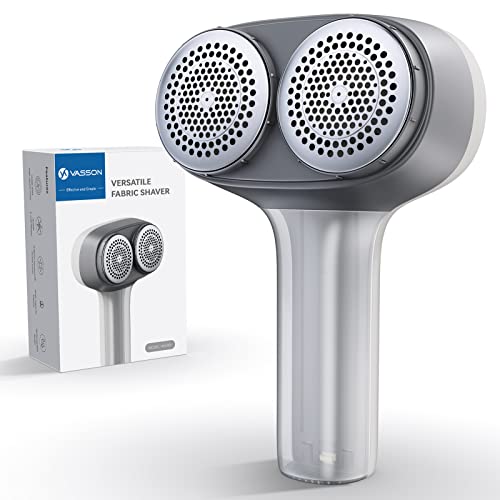
- electric fabric shaver lint remover for blankets sweaters upholstery
- lint brush for blankets microfiber bristles long-handled


Before You Start
Clear a flat, clean workspace and lay the blanket on a smooth surface. Brush or shake out loose debris before using mechanical tools to prevent clogging. Test any tool on a small corner first to ensure the fibers aren’t damaged. Estimate time for the entire process: 15–30 minutes for a large blanket, shorter for smaller items.
Step-By-Step: How To Remove Lint From Blankets
- Begin with a wide, extra-sticky lint roller; roll in one direction to lift surface lint from the blanket’s top layer.
- Continue in overlapping strokes across the entire surface, paying attention to edges and corners where lint tends to accumulate.
- Use the electric fabric shaver on a low setting to remove embedded, fuzzier fibers. Glide gently in straight passes; don’t press hard.
- Switch back to the lint roller to pick up loosened lint and the shavings created during shaving.
- For larger blankets, employ a long-handled lint brush with microfiber bristles to cover wide areas without bending.
- Work in small sections, rotating the blanket as needed to access all sides and avoid overworking any one area.
- Check for remaining lint under bright light. Repeat rolling and shaving as needed until the surface looks clean and uniform.
- Finish with a light pass of the lint roller to capture last-minute particles and prevent re-deposition.
- Air or tumble on low heat for a few minutes if the blanket’s fabric care label permits, to help lift fibers away from the surface before final brushing.
- Store lint-removal tools within easy reach for future quick cleans, so lint doesn’t become a recurring problem.
Troubleshooting
| Symptom | Likely Cause | Fix | Prevention |
|---|---|---|---|
| Lint reappears after washing | Lib fibers trapped in fabric | Gently re-lint with roller or shaver; consider washing inside-out | Pre-treat with a lint roller before washing; use a gentle cycle |
| Shaver pulls or snags blanket | Fabric too delicate for shaver | Lower setting or avoid using the shaver on that area | Test on a hidden spot first; use lower pressure |
| Roller loses tack | Adhesive wears out | Replace roller or peel-off fresh sheets | Keep spare sheets handy |
| Edges stay fuzzy | Blended fibers or boucle texture | Gently brush with microfiber lint brush | Avoid aggressive shaving on textured areas |
Common Mistakes
- Using a high heat setting on fabric shavers that aren’t rated for the blanket material
- Rubbing too aggressively with a lint brush, which can wear fibers
- Ignoring the blanket’s care label, leading to potential shrinkage or damage
- Overusing a lint roller, which can leave adhesive residue on the fabric
Tips For Best Results
- Combine methods: start with a lint roller, finish with a shaver for embedded lint.
- Work in a well-lit area to spot remaining lint and ensure thorough cleaning.
- Store tools away from heat sources to maintain adhesive and blade integrity.
- For pet hair-prone households, wash blankets inside-out with minimal fabric softener to reduce static cling.
- Consider a dedicated lint roller with replacement sheets designed for bulky fabrics.
Call A Professional
Seek professional help if a blanket has delicate fibers, unique finishes, or visible fabric damage from lint tools. If lint fibers seem to be embedded in the weave and refuse to come out with standard methods, consulting a dry cleaner or textiles specialist is advised, especially for heirloom or high-value blankets.
FAQ
Can I use a regular lint roller on a thick blanket?
Yes, a wide, extra-sticky roller works best for thick blankets, especially to cover broad areas quickly.
Is it safe to use an electric fabric shaver on all blankets?
No. Check the care label and test on a hidden area first to prevent fabric damage.
How often should I lint clean a blanket?
Regular maintenance after laundry or weekly use in high-luzz areas helps keep lint under control.
What about washable lint brushes versus disposable rollers?
Both can work; choose based on fabric type and convenience. Microfiber brushes are gentle on delicate fabrics.
Will washing alone remove all lint?
Washing helps, but combining washing with a lint removal method yields better results.
Can I use dryer sheets to reduce lint?
Dryer sheets can help reduce static and cling, aiding lint removal, but they may leave residues on some fabrics. Check the care label.
Should I lint clean before or after washing?
Lint clean before washing to remove loose fibers and prevent lint from re-depositing on the blanket.
Buying Guide
Choosing the right tools for lint removal depends on blanket type and care preferences. Consider size, noise, and energy use when evaluating options.
Key factors to compare include:
- Size and coverage — wider lint rollers cover more area; long-handled brushes reach edges without bending.
- Adhesive quality — extra-sticky designs lift more lint but may require frequent replacement.
- Power and settings — electric fabric shavers with adjustable settings protect delicate fabrics.
- Fabric compatibility — check fabric care labels to avoid damage from blades or heat.
- Ease of use and maintenance — replaceable sheets, easy-clean shavers, and storage convenience matter for regular users.
- Cost of consumables — consider the price and availability of replacement sheets or blades.
- Placement — store tools near laundry areas for quick touch-ups after washing or drying.
In practice, a combined approach often yields the best results: start with a wide lint roller for surface lint, follow with a microfiber-bristled brush for hairs and fuzz, and finish with an electric fabric shaver for embedded fibers. If unsure, test on a small area first and choose tools that are gentle on the blanket’s fabric. Would you like help selecting a specific setup based on your blanket type and household needs?
Leave a Reply