How to Get Rid of Lawn Gnats Naturally
Lawn gnats can be a nuisance for homeowners, especially during warm, humid months. Natural control methods focus on reducing breeding sites, interrupting life cycles, and using safe, effective products. This guide provides practical steps to lower gnats without harsh chemicals.
Quick Answer
Target standing water and damp soil, introduce natural predators, and deploy low-toxicity baits or traps. Use BTI mosquito dunks for larvae in irrigation zones, yellow sticky traps for adults, and beneficial nematodes to combat fungus gnats in soil. Regular maintenance and monitoring yield the best results.
What You’ll Need
- BTI mosquito dunks outdoor lawn gnats
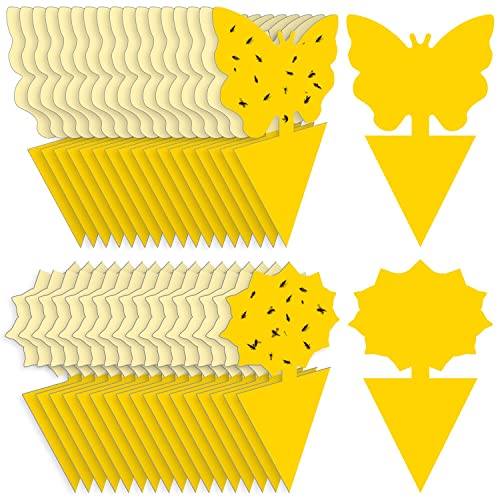
- Yellow sticky traps outdoor gnats
- Beneficial nematodes for fungus gnats lawn


Before You Start
Assess the area for standing water, overwatering, and dense thatch. Reduce irrigation where possible and improve drainage. Wear gloves when handling soil treatments and follow label instructions for all products. Keep children and pets away from treated areas until products have dried. Time to implement: a few hours for setup, plus several days to start seeing results.
Step-By-Step: How To Get Rid Of Lawn Gnats Naturally
- Identify breeding hotspots such as potted plants, clogged gutters, and shallow puddles near the lawn.
- Eliminate excess moisture by fixing leaks, improving drainage, and aerating compacted soil.
- Apply BTI mosquito dunks outdoor lawn gnats in irrigation zones and water features to target larvae.
- Place yellow sticky traps in sunny, high-traffic areas to capture adult gnats.
- Introduce beneficial nematodes for fungus gnats lawn into moist soil, following product guidelines.
- Reduce thatch buildup by raking or dethatching to expose larvae habitats.
- Switch to drip irrigation or soaker hoses to keep foliage dry at the leaf surface.
- Move potted plants outdoors in the daytime and avoid overwatering indoor containers near windows.
- Water early in the day to allow surfaces to dry before nightfall when gnats are most active.
- Monitor traps and larval sites weekly; reapply treatments as needed based on product directions.
- Combine sanitation with targeted treatments for a cumulative effect over several weeks.
- Maintain a regular maintenance schedule to prevent future outbreaks.
Troubleshooting
| Symptom | Likely Cause | Fix | Prevention |
|---|---|---|---|
| Many adults on sunny days | Established breeding sites nearby | Increase traps and reduce moisture hotspots | Eliminate standing water and dense thatch |
| Gnats return after treatment | Larvae in soil or irrigation areas | Reapply BTI and nematodes as labeled | Improve drainage and avoid overwatering |
| Slime or algae on soil surface | Persistent damp conditions | Improve airflow and reduce irrigation duration | Mulch properly and prune vegetation |
| Sticky residue on leaves | Overwatering or heavy irrigation | Switch to drip irrigation and water early | Water less frequently, more deeply |
Common Mistakes
- Overwatering and creating perpetual moisture that gnats love
- Relying on a single control method instead of a multi-pronged plan
- Ignoring treated areas and reapplying too soon or not at all
- Using harsh chemicals that disrupt beneficial insects
Combining sanitation with targeted products yields better long-term results than one-off efforts.
Tips For Best Results
- Coordinate BTI applications with irrigation schedules for maximum larval exposure
- Place yellow sticky traps near known activity corridors and near garden beds
- Use beneficial nematodes when soil moisture is optimal, typically after rain or watering
- Keep lawn thatch minimal through periodic dethatching and aeration
- Pair physical barriers, like window screens, with outdoor traps to reduce ingress
Call A Professional
Seek a pro if gnats persist after several treatment cycles, or if you notice extensive root damage, persistent flooding, or signs of mold growth. If you suspect a larger infestation or disease risk to nearby plants, a licensed lawn-care technician can provide targeted diagnostics and integrated pest management options.
FAQ
What naturally kills lawn gnats?
Target larvae with BTI, reduce moisture, and use beneficial nematodes for soil pests.
Are yellow sticky traps effective for gnats?
Yes, they capture adults and help monitor activity patterns.
Can beneficial nematodes harm pets or people?
Generally safe when used as directed, but follow label instructions and keep treated areas dry until dry.
How long does it take to see results?
Several days to a few weeks, depending on moisture, temperature, and pest pressure.
Buying Guide
When selecting products to combat lawn gnats, consider size, noise level, energy efficiency, controls, and placement options. Compare how BTI products target larvae in wet zones versus above-ground traps for adults. Look for timing and application flexibility to suit your lawn’s irrigation schedule. For larger areas, a combination of larval control and adult traps often provides faster relief. Consider setup ease, surface compatibility, and whether products work well with existing lawn care regimes. Think about where you will place traps and how often you will need to reapply or re-administer treatments to maintain results.
Leave a Reply