How to Get Rid of Large Styrofoam Safely and Efficiently
Large styrofoam, or expanded polystyrene (EPS), is a common packaging material that can be cumbersome to dispose of. This guide outlines practical, safe, and compliant methods for reducing, recycling, and disposing of bulky styrofoam in American households and small businesses.
Quick Answer
Choose the method that fits your space and local rules: compact or shred the material, reuse where possible, or send to a recycling facility that accepts EPS. For very large blocks, a dedicated styrofoam processing tool can speed up the job and reduce volume before disposal.
What You’ll Need
Having the right tools will make the process easier and safer. Gather these items before you start:
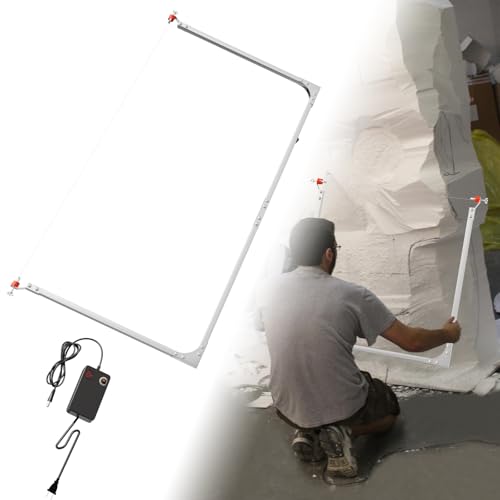
- Hot wire foam cutter large styrofoam blocks or professional-grade cutting equipment
- EPS foam block cutter saw for cleanly slicing large blocks
- Polystyrene foam waste shredder machine to reduce volume for transport
- Protective gear (gloves, safety glasses, mask if cutting dust)
- Sturdy bags or a waste bin with a tight lid


Before You Start
Plan how you will transport and dispose of the material. Check local recycling rules—many curbside programs do not accept loose EPS, but some facilities will take it if it’s clean and compressed. Estimate the time required: large pieces may take several hours depending on volume and equipment. Clear the work area of obstacles and keep children and pets away from the cutting zone.
Safety cautions: never burn styrofoam, which releases toxic fumes. If using powered equipment, ensure proper ventilation and secure clamps to hold blocks in place. Wear eye and hand protection and follow all manufacturer safety instructions for tools.
Step-By-Step: How To Get Rid Of Large Styrofoam
- Sort the styrofoam by density and type. Contaminants like labels, tape, or food residue should be removed to improve recycling chances.
- Break down very large blocks into manageable pieces using a hot wire foam cutter or a saw designed for EPS. Make clean, even cuts to minimize dust and loose material.
- For overall volume reduction, process the cut pieces through a polystyrene foam waste shredder machine if available. Feed material slowly to avoid jams.
- Weigh or measure the shredded or cut pieces to confirm they meet recycling facility guidelines if needed.
- Stack and compress the pieces into sealable bags or bins to prepare for transport to a recycling center or drop-off site.
- If local facilities accept clean, separated EPS, arrange curbside drop-off or a dedicated pick-up by appointment where available.
- Coordinate with a local recycling program or waste hauler for bulky EPS to minimize trips. Some sites offer periodic EPS collections.
- Keep receipts or documentation of recycling where possible, especially for business use or tax records related to waste management.
- Consider repurposing clean EPS for craft projects, packaging, or insulation in appropriate applications to extend usefulness before disposal.
- Review your process after the first run to identify opportunities to streamline cuts, reduce waste, and improve safety.
Troubleshooting
| Symptom | Likely Cause | Fix | Prevention |
|---|---|---|---|
| Pieces crumble instead of cutting | Dried or brittle EPS | Moisten slightly or rehydrate with minimal moisture; switch to a sharper blade | Use fresh material or cut gradually |
| Shredder jams | Excessive size or mixed contaminants | Pre-cut into smaller pieces and remove tape/labels | Pre-process with a saw or hot wire |
| Dusty work area | Cutting generates fine particles | Wear mask and ventilate; use a dust collection system | Work outdoors or in a well-ventilated space |
| Recycling facility rejects material | Contamination or improper density | Clean and compress; separate tape and labels | Follow local guidelines for preparation |
Common Mistakes
- Ignoring local recycling rules and attempting curbside collection with mixed waste
- Burning Styrofoam to reduce volume, which releases toxic fumes
- Rushing cuts, leading to jagged edges and more waste
- Using incompatible tools not designed for EPS, which can cause safety hazards
By avoiding these errors, the disposal process becomes safer and more compliant with environmental standards.
Tips For Best Results
- Pre-cut large blocks into smaller sections before shredding to minimize jams
- Keep a dedicated cleanup cloth or vacuum to manage small EPS dust and fragments
- Label bags clearly as EPS recyclables to speed up facility processing
- Coordinate with neighbors or local businesses to share equipment and reduce personal workload
Call A Professional
Consider contacting a waste management professional if you encounter persistent equipment jams, very large volumes, or me-too contamination. Stop and seek help if you notice unusual odors, heat buildup, or audible malfunction signals from cutting or shredding equipment. When in doubt about local recycling options, a professional can guide you to appropriate facilities and scheduling.
FAQ
Is it always necessary to shred large styrofoam before disposal?
No. Some facilities accept whole or large EPS blocks, while others require pre-processing. Check local guidelines and plan accordingly.
Can I recycle styrofoam at home?
Recycling is typically not done curbside for bulky EPS. Look for local drop-off centers or specialized recycling programs that accept clean EPS.
What equipment is best for large blocks?
A dedicated hot wire cutter or EPS-specific saw, plus a shredder for volume reduction, can be very effective.
Are there alternatives to disposal for large styrofoam?
Yes. Reuse materials for packing, crafts, or insulation where appropriate; compress and store until recycling is available.
What safety gear is essential?
Protective gloves, safety glasses, and a dust mask if cutting generates particles are recommended.
Buying Guide
When choosing tools to handle large styrofoam disposal, consider several factors. Size and wattage determine how much material you can process in a session. Noise level matters for home use and shared spaces. Look for energy-efficient devices that minimize power draw. Controls should be intuitive with clear safety features. If space is limited, compact or foldable equipment may be preferable. Placement should allow easy access to the power source, ventilation, and safe clearance around hot or cutting elements. Evaluate compatibility with EPS block sizes you commonly encounter and ensure availability of replacement parts and service.
Final Thoughts
Efficiently managing large styrofoam requires the right mix of preparation, appropriate tools, and knowledge of local recycling options. By following the steps above and using the recommended equipment, households and small businesses can reduce waste, lower disposal costs, and help keep EPS out of landfills. If in doubt, start with safer, simpler methods and gradually scale up to more advanced tools as needed.
Leave a Reply