How to Get Rid of Kitty Litter Smell
Managing kitty litter odor is a common concern for many American households. This guide provides practical steps to control smells, improve air quality, and maintain a fresher home environment for both pets and people. By combining routine cleaning with targeted odor control products, owners can reduce litter box odor effectively.
Readers will find a clear process from quick remedies to in-depth maintenance, including when to use specialized products and how to tailor strategies to different living spaces. The aim is practical, real-world advice that aligns with everyday pet care routines.
Quick Answer
Clean daily, ventilate the area, and use targeted odor control. Pair regular litter box scooping with air purification and odor absorbers to keep smells at bay. For persistent odors, apply enzyme-based deodorizers and consider activated charcoal or carbon-filter solutions to boost odor capture.
What You’ll Need
Gather a mix of routine cleaning supplies and odor-control products to address different odor sources.
- Enzyme-based cat litter box deodorizer spray 24oz
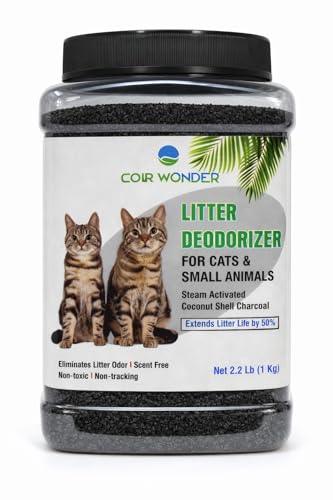
- Activated charcoal litter box odor absorber 1lb
- Pet odor eliminating air purifier HEPA carbon filter for cat litter smells


Before You Start
Prepare the cleaning area by removing solid waste daily and flushing or disposing of waste in a sealed bag. Ventilate the space with a window or exhaust fan to reduce ammonia buildup. For safety, wear disposable gloves and keep cleaning products out of reach of children and pets. Time estimates vary by box usage but expect 15–30 minutes for routine daily cleanup and 1–2 hours for a full refresh of the litter area.
Critical cautions: Do not mix cleaning chemicals; always follow label directions. If a pet shows signs of irritation or allergic reactions after exposure to sprays or powders, discontinue use and consult a veterinarian.
Step-By-Step: How To Get Rid Of Kitty Litter Smell
- Remove soiled litter and waste from the box, discarding it in a sealed bag.
- Scoop the remaining litter to reduce moisture pockets that can harbor odor.
- Wash the litter box with warm water and a mild, unscented detergent; rinse well and dry completely.
- Apply an enzyme-based cat litter box deodorizer spray to neutralize organic compounds at the source.
- Refill the box with fresh litter, choosing a material with good clumping and odor control properties.
- Place an odor absorber nearby, such as activated charcoal, to capture lingering smells between changes.
- Run a pet odor eliminating air purifier with a HEPA carbon filter in the room to continuously filter air.
- Schedule regular litter box maintenance: daily scooping and weekly deep cleans to maintain freshness.
- Inspect the area for leaks or damp spots and address moisture promptly to prevent odor buildup.
- Seal off any nearby areas with persistent odor, using a targeted deodorizer as needed.
- Adjust litter quantity and box location if smells persist, ensuring easy access and good ventilation.
- Maintain a routine and monitor changes in odor patterns to catch issues early.
Troubleshooting
| Symptom | Likely Cause | Fix | Prevention |
|---|---|---|---|
| Strong ammonia smell between cleanings | Urine odor concentrated in litter box | Increase scooping frequency; add enzyme deodorizer | Keep litter at proper depth; clean box weekly |
| Persistent odor after cleaning | Box not dried completely; odors trapped in litter | Thorough wash and dry; replace litter regularly | Allow full drying time; use odor absorber nearby |
| Air in room smells off even with purifier | Poor room ventilation or small space | Increase ventilation or relocate purifier closer to box | Use multiple odor-control methods in tight spaces |
| Odor returns quickly after cleaning | Improper litter type or inadequate absorbency | Switch to a litter with stronger odor control | Check litter depth and absorbency regularly |
| Allergic reaction to sprays | Sensitive pets or humans | Switch to fragrance-free products; test on small area | Monitor for reactions and discontinue if needed |
Common Mistakes
- Using strong fragrances that mask odors but irritate pets
- Infrequent scooping leading to buildup of waste
- Overfilling or underfilling the litter box
- Neglecting to clean the litter box regularly during busy periods
Keeping odor in check requires a balanced approach: routine maintenance, proper products, and good ventilation work together to minimize smells effectively.
Tips For Best Results
- Rotate litter types or blend clumping and natural-based options to optimize odor control.
- Place the litter box in a well-ventilated area away from high-traffic zones.
- Clean the box completely at least once a week, not just when odor is noticeable.
- Use a high-quality air purifier with a carbon filter in rooms with multiple boxes.
Call A Professional
Consider a professional assessment if odors persist despite consistent cleaning and product use, or if you suspect structural issues, mold, or ventilation problems. Seek veterinary guidance if your pet exhibits signs of respiratory distress or unusual behavior around the litter area.
FAQ
How often should I scoop the litter box?
Daily scooping is recommended to minimize odor and maintain hygiene.
Do enzyme-based deodorizers work on all litter odors?
They are effective on organic waste odors but may be less effective on synthetic or environmental smells.
Can activated charcoal absorb all odors?
Activated charcoal helps reduce odors but should be used with proper ventilation and regular cleaning.
Is it safe to use air purifiers around pets?
Choose pet-friendly purifiers and place them where pets cannot directly access filters or intake vents.
Buying Guide
When selecting odor-control solutions, consider size, noise level, energy efficiency, controls, and placement. For odor control, choose products that fit your littering routine and space constraints. Do you need a compact device for a small apartment or a larger unit for a multi-box home? Look for user-friendly controls and easy filter replacement to maintain effectiveness. Consider combining an enzyme-based deodorizer spray with an activated charcoal absorber for layered odor protection, especially in high-traffic areas. Pay attention to safety ratings and pet-friendly formulations to protect both household members and pets.
Leave a Reply