How to Remove Iron From Well Water
Iron in well water can cause staining, metallic taste, and appliance buildup. This guide walks through practical steps to reduce iron levels and improve water quality for households using private wells in the United States.
Following best practices helps protect plumbing and keep you’s water safe and enjoyable. Readers should understand product options, installation considerations, and routine maintenance to maintain iron control over time.
Quick Answer
For most homes, installing a whole-house iron filtration system or a backwashing iron removal filter is the most effective solution. Pair with a water softener designed for iron removal when iron levels are high. Regular maintenance and appropriate sizing ensure ongoing performance.
What You’ll Need
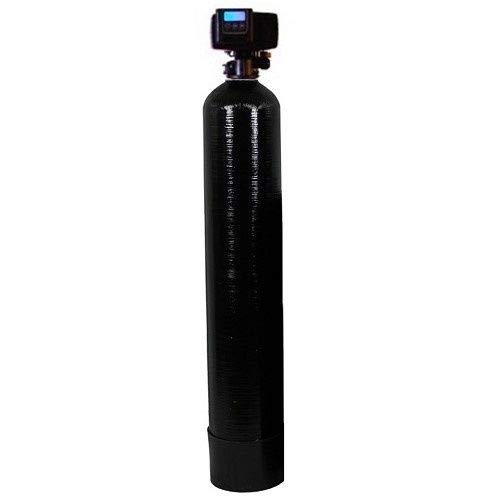
- well water iron filter system for whole house
- backwashing iron removal filter for well water
- water softener with iron removal for well water


Before You Start
Assess your water: test for iron concentration, hardness, pH, and contaminants. Determine flow rate and future peak usage to size equipment correctly. Safety: depressurize lines and wear eye protection during installation.
Prepare the installation area: access to a cold-water line, gravity drain or appropriate drainage, electrical outlet if needed, and space for equipment. Time estimates vary by system but plan a half to a full day for basic setup and testing.
Step-By-Step: How To Remove Iron From Well Water
- Test your water to quantify iron and other minerals before choosing equipment.
- Choose a system: a whole-house iron filter, a backwashing iron removal filter, or a combination with a softener.
- Shut off main water supply and relieve pressure by opening a faucet.
- Install the iron filter on the main cold-water line, following manufacturer instructions.
- Connect inlet and outlet ports correctly and secure any bypass valves if included.
- Set regeneration or backwash cycle timing per water usage and iron level.
- Flush the system and run water for several minutes to clear air and loose minerals.
- Test water again after treatment to verify iron reduction and adjust settings if needed.
- Schedule routine maintenance: cartridge or media replacement and annual inspections.
Troubleshooting
| Symptom | Likely Cause | Fix | Prevention |
|---|---|---|---|
| Iron not reduced after installation | Filter media exhausted or improper sizing | Replace media or resize system | Oversize slightly for future demand |
| Backwash not cleaning media | Backwash valve misadjusted or blocked | Check valve settings and clear blockage | Regular valve testing |
| Water smells or tastes metallic | New media still venting or stagnant water | Run several cycles and flush | Ensure proper priming during install |
| Low water pressure after install | Pressure loss due to filtration stage | Reassess flow rate and bypass options | Upgrade to higher-flow unit if needed |
Common Mistakes
- Choosing the smallest unit or an undersized system for your home’s flow rate
- Installing without a bypass valve, making maintenance disruptive
- Ignoring pH and hardness, which affect iron removal efficiency
- Neglecting routine media replacement or filter cleanout
Tips For Best Results
Co-treat iron and hardness when required to prevent media fouling. Schedule annual water testing to confirm performance and adjust settings as water chemistry changes with seasons or wellage. Consider pre-filtration for sediment that can clog media. Use a licensed installer if unfamiliar with well systems.
Call A Professional
Stop signs to hire a pro: if you notice persistent staining, corrosion signs on pipes, or your well has variable iron levels beyond typical ranges, consult a licensed water treatment specialist. If work requires well alterations or electrical connections, professional installation is strongly advised.
FAQ
How do I know which iron filtration system to choose?
Assess iron concentration, water hardness, flow rate, and household demand to determine whether a whole-house iron filter, a backwashing system, or a softener with iron removal best fits your needs.
Will iron removal affect my water taste or pH?
Some systems may slightly alter taste or pH; a water test will guide adjustments with compatible media or a pH neutralizer if needed.
How often should media be replaced in an iron filter?
Replacement frequency depends on iron load and usage; many systems require media changes every 3–7 years, with regular monitoring.
Can I install these systems myself?
DIY installation is possible for basic setups, but complex plumbing or well alterations should be done by a licensed professional.
What maintenance is required after installation?
Regularly inspect for leaks, backwash valve function, and pre- or post-filter cleanliness; schedule annual water tests.
Buying Guide
Key factors influence long-term satisfaction and value when selecting iron-removal solutions for well water. Consider the following to compare options effectively.
- Size and flow rate: Match the unit’s capacity to your household demand and peak usage to avoid pressure drops.
- Iron removal performance: Look for media-rated iron removal efficiency, often tested with specific iron concentrations; higher iron loads require larger or dual-stage systems.
- Water hardness and pH compatibility: Some devices perform better with soft water or neutral pH; address hardness to preserve media life.
- Noise and installation footprint: Consider space requirements, noise levels during backwash, and where to place equipment for accessibility.
- Energy and operating costs: Compare backwash frequency, salt use for softeners, and maintenance intervals.
- Controls and ease of use: Digital controllers offer easier programming and maintenance reminders.
- Placement options: Whole-house filters are installed at the main line; consider crawlspace or utility room locations for accessibility and drainage.
- Maintenance needs: Availability of replacement media, filter cartridges, and service support.
Would you like help choosing between a whole-house iron filter, a backwashing iron removal unit, or a combination with a softener? A professional assessment can provide a precise recommendation based on your well chemistry and home layout.
Leave a Reply